
Spring statement: Iran conflict threatens to undermine the UK's delicate economic rebound

UK Economic Outlook: Chancellor Highlights Progress Amid Global Uncertainty
Rachel Reeves, the Chancellor of the Exchequer, shared the most recent economic projections from the Office for Budget Responsibility (OBR), emphasizing that the strategies implemented since Labour's return to government in the 2024 general election are beginning to yield positive outcomes.
Despite this optimism, the OBR—Britain’s independent fiscal authority—has revised its 2026 growth estimate downward to 1.1%, a decrease from the 1.4% growth anticipated in the Autumn Budget just three months prior.
Looking further ahead, the UK’s GDP is now expected to perform better than previously thought in 2027 and 2028, with growth rates reaching 1.6%. Reeves also noted in her Spring statement that both inflation and government borrowing are projected to decline at a faster pace than earlier forecasts suggested.
“Today’s forecasts demonstrate that the decisions made by this government are proving effective,” Reeves told members of Parliament.
However, these projections were completed before the recent escalation of conflict in the Middle East. The OBR has warned that any further intensification of hostilities could have substantial repercussions for both the global and UK economies.
Experts caution that if the conflict involving Iran continues, the current forecasts could quickly become outdated, potentially slowing economic growth, driving up inflation, and increasing public debt.
Related Articles
- Iran attacks threaten US GDP growth and inflation prospects
- Gas prices nearly double as Europe braces for Iran war energy shocks
Energy Prices Surge Amid Rising Tensions
One of the most notable developments has been the surge in Brent crude prices—the global oil benchmark—which have climbed over 15% this week, surpassing $80 per barrel.
Worldwide gas prices, on which the UK remains significantly dependent, have nearly doubled. If these elevated prices persist, they are likely to result in higher energy costs for both businesses and households, intensifying inflationary pressures and restraining economic growth.
Government Response to International Instability
Reeves began her address by acknowledging the heightened global uncertainty following recent military actions by the United States and Israel against Iran, which led to the death of Supreme Leader Ayatollah Ali Khamenei and other high-ranking officials.
“It is my responsibility, and that of this government, to navigate these turbulent times, safeguard our economy from external shocks, and shield families from the instability unfolding beyond our borders,” she stated.
Labour’s Hopes and Economic Indicators
Labour, whose popularity has waned since its 2024 electoral win, had anticipated that 2026 would signal a clear economic recovery after years of stagnation.
Recent figures indicate a slight uptick in economic activity at the start of the year. Inflation is forecast to drop significantly in the coming months, which could open the door for additional interest rate reductions.
In its most recent decision, the Bank of England maintained its primary interest rate at 3.75%.
Disclaimer: The content of this article solely reflects the author's opinion and does not represent the platform in any capacity. This article is not intended to serve as a reference for making investment decisions.
You may also like
Analysis-Investors make a dash for cash as Iran crisis upends markets
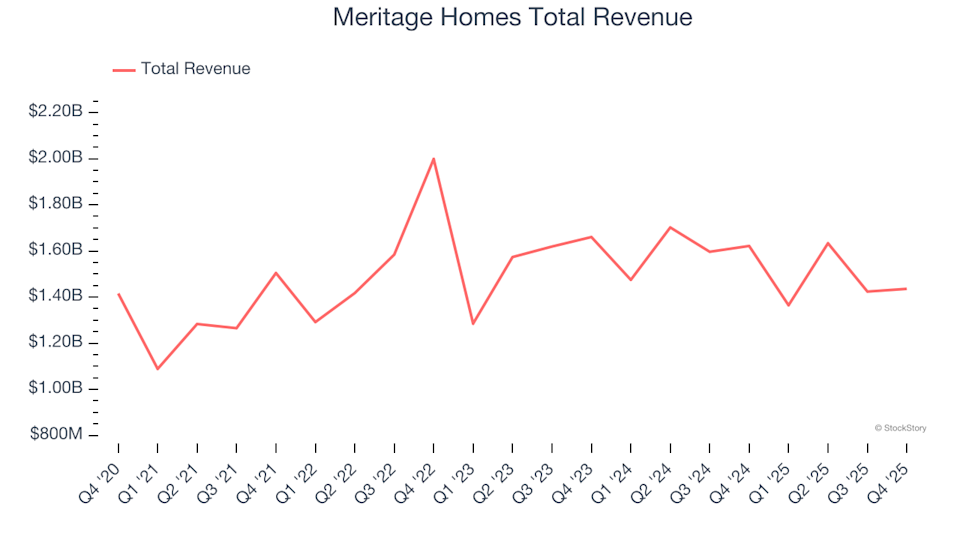
Home Construction Stocks Q4 Overview: Comparing Meritage Homes (NYSE:MTH)
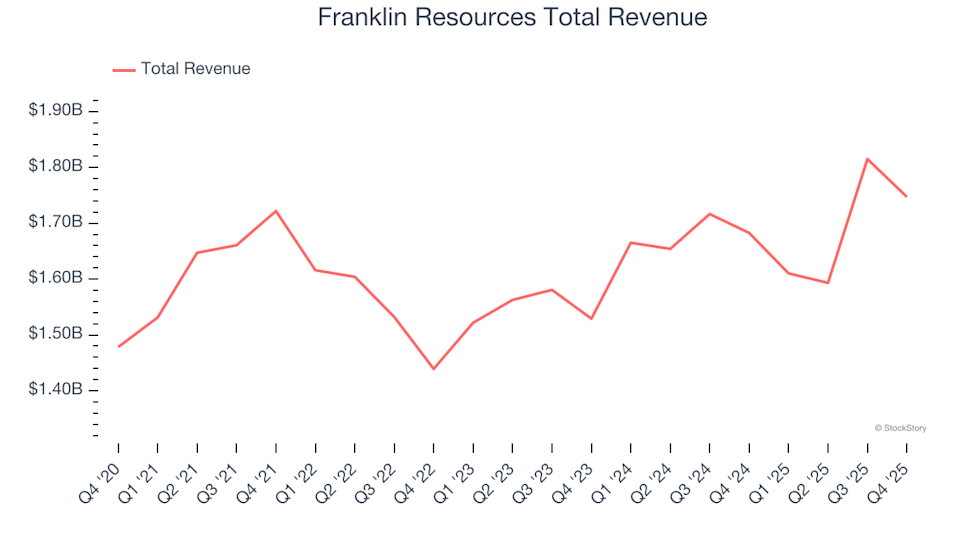
Reflecting on the fourth quarter financial results of custody banks: Franklin Resources (NYSE:BEN)
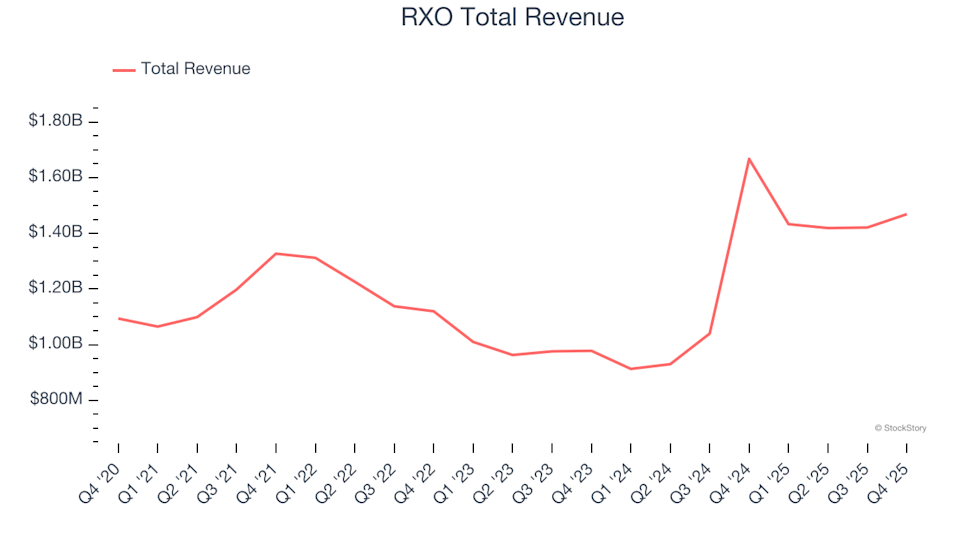
Ground Transportation Shares Q4 Overview: Comparing RXO (NYSE:RXO) Performance
Trending news
MoreCrypto prices
More





