
Sanofi’s Wayrilz Receives Orphan Drug Designation for IgG4-Related Disease in Japan

Waylirz Receives Orphan Drug Status in Japan
Sanofi’s investigational therapy, Waylirz (rilzabrutinib), has been granted orphan drug status by Japan’s Ministry of Health, Labour and Welfare (MHLW) for the treatment of IgG4-related disease (IgG4-RD). Currently, Waylirz is not approved for this use in any country.
Advantages of Orphan Drug Designation for Sanofi
The MHLW awards orphan drug status to medications aimed at treating rare conditions that affect fewer than 50,000 individuals in Japan. This designation is intended to stimulate the development of treatments for rare diseases by providing benefits such as expedited regulatory guidance, tax incentives, financial support, and priority review processes.
For Sanofi, this recognition offers significant regulatory and financial support as Waylirz progresses through clinical trials for IgG4-RD—a rare disorder that can impact multiple organs and, if untreated, may result in ongoing organ damage. The orphan status is expected to streamline development and help Sanofi address an important unmet medical need.
This is the third time rilzabrutinib has received orphan drug designation for IgG4-RD, following similar approvals in the United States and the European Union.
About Waylirz
Waylirz is a next-generation BTK inhibitor designed to manage various rare immune-mediated and inflammatory diseases by rebalancing the immune system through multiple pathways. The drug is already approved for immune thrombocytopenia (ITP) in both the United States and Europe, and a regulatory submission for this use is under review in Japan.
The orphan drug status for IgG4-RD in Japan was supported by encouraging results from a phase 2 clinical trial, which demonstrated that 52 weeks of treatment reduced disease flare-ups, improved disease markers, and lessened the need for glucocorticoid therapy.
Sanofi is also conducting late-stage clinical trials of Waylirz for IgG4-RD, sickle cell disease (SCD), and warm autoimmune hemolytic anemia (wAIHA). Additionally, the drug is being studied in mid-stage trials for asthma and chronic spontaneous urticaria (CSU).
Competitive Landscape for Waylirz
Waylirz faces competition in several of its target indications, with the level of competition varying by disease and stage of development.
- For ITP, Waylirz competes with Amgen’s Nplate and Rigel Pharmaceuticals’ Tavalisse. Although these therapies use different mechanisms, they are established treatments and present significant competition for Waylirz as a newer option.
- If approved for IgG4-RD, Waylirz may compete with existing treatments such as Amgen’s Uplizna.
- In the CSU space, Waylirz would be up against Dupixent—a leading therapy co-marketed by Sanofi and Regeneron, which holds a strong position in the immunology market.
The Next Wave in Artificial Intelligence
The artificial intelligence sector has already created significant wealth, but the most well-known companies may not offer the highest returns going forward. Emerging AI firms addressing major global challenges could present greater opportunities in the near future.
Disclaimer: The content of this article solely reflects the author's opinion and does not represent the platform in any capacity. This article is not intended to serve as a reference for making investment decisions.
You may also like
Pi Network faces pressure as v22 upgrade shifts token flows

What Is Going On With Micron Stock On Tuesday?
Lupaka Gold may seize Peru state assets over unpaid $67M arbitration award
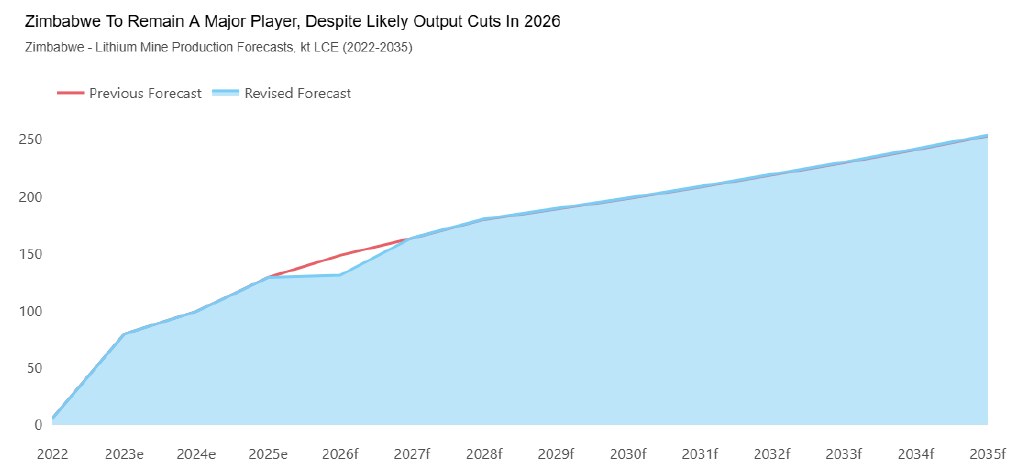
Zimbabwe export ban a temporary dent on lithium supply, says Fitch’s BMI
Trending news
MoreCrypto prices
More





