
PG&E's 0.99% Drop Ranks 405th in Trading Volume Amid Sector-Wide Caution

Market Snapshot
On March 3, 2026, Pacific Gas and Electric (PCG) closed with a 0.99% decline, marking its weakest performance in recent trading sessions. The stock’s trading volume reached $350 million, ranking it 405th in total trading activity on the day. Despite the modest volume relative to broader market benchmarks, the negative momentum underscores investor caution or shifting sentiment in the utility sector. The decline occurred amid mixed market conditions, with no immediate catalysts tied to PG&E’s operations or regulatory landscape.
Key Drivers
The absence of directly relevant news articles in the provided data complicates the identification of immediate factors influencing PG&E’s stock performance. The sole news item referenced a $1.9 billion contract awarded to Lockheed Martin (LMT) by the U.S. Air Force for training and maintenance services. While this development boosted LMT’s stock and highlighted robust defense spending, it does not directly impact PG&E’s operations, which are centered on utility infrastructure and energy distribution.
However, indirect sector-wide dynamics may warrant consideration. The utility industry often experiences muted volatility compared to defense or technology sectors, and PG&E’s recent decline could reflect broader investor risk-off sentiment or concerns over regulatory challenges. For instance, PG&E has historically faced scrutiny over wildfire liabilities and capital allocation, which could weigh on its stock even in the absence of specific news. Additionally, macroeconomic factors such as interest rate expectations or energy demand trends—unmentioned in the provided data—might contribute to the stock’s downward movement.
The lack of actionable news also raises questions about the role of algorithmic trading or market depth in PG&E’s performance. A trading volume of $350 million, while substantial for a mid-cap stock, suggests limited liquidity or participation compared to larger peers. This could amplify price swings in response to even minor order imbalances, particularly in a low-volume environment. Analysts often note that utility stocks, with their defensive characteristics, tend to underperform during periods of economic uncertainty, though the provided data does not clarify current macroeconomic conditions.
In the absence of direct news, the decline in PG&E’s stock appears to stem from a combination of sector-specific risks, macroeconomic tailwinds, and potential liquidity constraints. Investors may need to monitor upcoming regulatory filings, quarterly earnings reports, or shifts in energy policy to identify more concrete drivers. Until such signals emerge, PG&E’s performance will likely remain influenced by broader market dynamics rather than company-specific events.
Disclaimer: The content of this article solely reflects the author's opinion and does not represent the platform in any capacity. This article is not intended to serve as a reference for making investment decisions.
You may also like
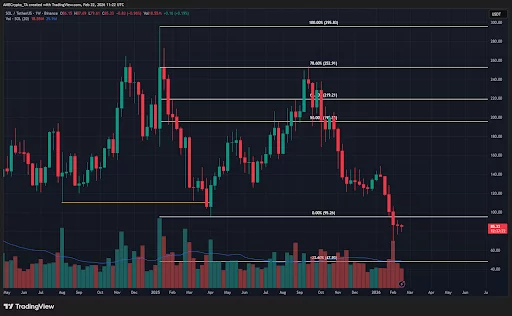
Solana risks repeating 95% crash seen in 2022 while funding in Mutuum Finance nears $21m
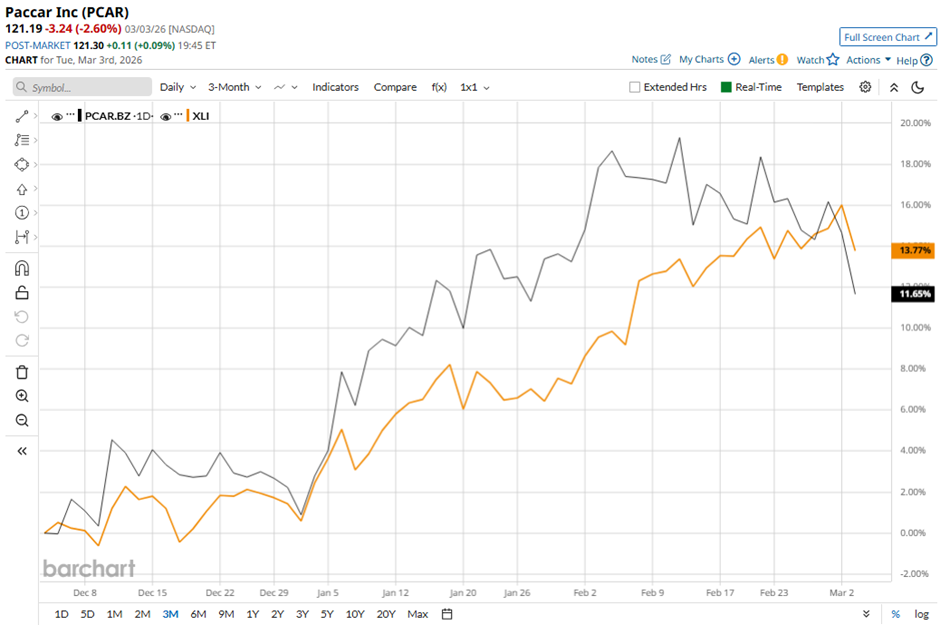
PACCAR Shares: Is PCAR Lagging Behind the Broader Industrial Market?
GenTwo hires Vontobel’s blockchain chief for digital asset expansion
Bitwise Study Finds Bitcoin Boosts Return and Risk Metrics in Classic Portfolios
Trending news
MoreCrypto prices
More





