
Charter's profit surpasses expectations while revenue falls short, triggering sharp price swings during the day as $300M trading volume places it at 481st.

Market Overview
On March 3, 2026, Charter Communications (CHTR) ended the trading day down 1.46%, lagging behind the broader market indices. The stock saw $300 million in trading volume, placing it 481st in daily activity rankings. This decline followed a volatile session, which began with a 6.81% surge in pre-market trading after the company released its fourth-quarter 2025 results. Although Charter surpassed earnings per share (EPS) expectations by 4.87%, posting $10.34 per share, revenue came in at $13.6 billion—a 2.3% decrease from the previous year and below analyst forecasts. The combination of mixed financial results and a swift price reversal points to ongoing investor uncertainty regarding Charter’s future growth prospects amid a competitive landscape.
Factors Influencing Stock Performance
Charter’s latest quarterly report highlighted a disconnect between profit and sales. While the company delivered stronger-than-expected EPS, revenue declined for the first time in over two years, dropping from $13.93 billion in Q4 2024 to $13.6 billion. This revenue dip, representing a 2.3% year-over-year decrease, raises concerns about Charter’s ability to retain customers and maintain pricing strength. The initial pre-market rally suggested optimism about the earnings beat, but the subsequent sell-off indicates that investors remain wary about the company’s long-term outlook.
Another important consideration is Charter’s approach to capital expenditures. The company revealed plans to cut 2026 capex to $11.4 billion, down 16% from the $13.5 billion spent in 2025. This move supports CEO Chris Winfrey’s strategy to streamline costs while channeling investment into high-margin projects such as “Invincible Wi-Fi” and network enhancements for multi-gigabit services. However, this reduced spending has sparked debate over whether Charter can keep its infrastructure competitive against fiber and fixed wireless providers.
Management’s projections for 2026 also contributed to a cautious market response. EBITDA is expected to grow only modestly, after a 0.6% increase in 2025 despite significant cost reductions. Charter’s efforts to expand its mobile business—where it claims the fastest growth rate in the U.S.—could help offset shrinking broadband margins, but there are still risks in execution. Investors appear to be weighing the benefits of short-term cost control against the need for ongoing innovation in a highly competitive, low-margin industry.
Wider market dynamics are also at play. Charter carries the largest debt burden among U.S. high-yield issuers, with $27.2 billion outstanding. This amplifies the pressure to generate steady cash flow. While improvements in EBITDA and capital efficiency are encouraging, any setbacks in managing debt or attracting new subscribers could lead to increased volatility. The recent merger between Paramount and Warner Bros., which resulted in other media companies being downgraded to junk status, serves as a reminder of the dangers of excessive leverage in a slow-growth environment.
In summary, Charter’s recent stock movement reflects a balance between short-term optimism following an earnings beat and ongoing concerns about its ability to achieve sustainable growth. The pre-market rally showed confidence in the company’s operational strength, but the subsequent decline underscores persistent doubts. As management continues to prioritize competitive pricing and network investments, the next few quarters will be pivotal in determining whether these strategies can drive lasting improvements in earnings and revenue.
Disclaimer: The content of this article solely reflects the author's opinion and does not represent the platform in any capacity. This article is not intended to serve as a reference for making investment decisions.
You may also like
BlackSky Climbs Even With Negative Cash Flow and Pessimistic Indicators
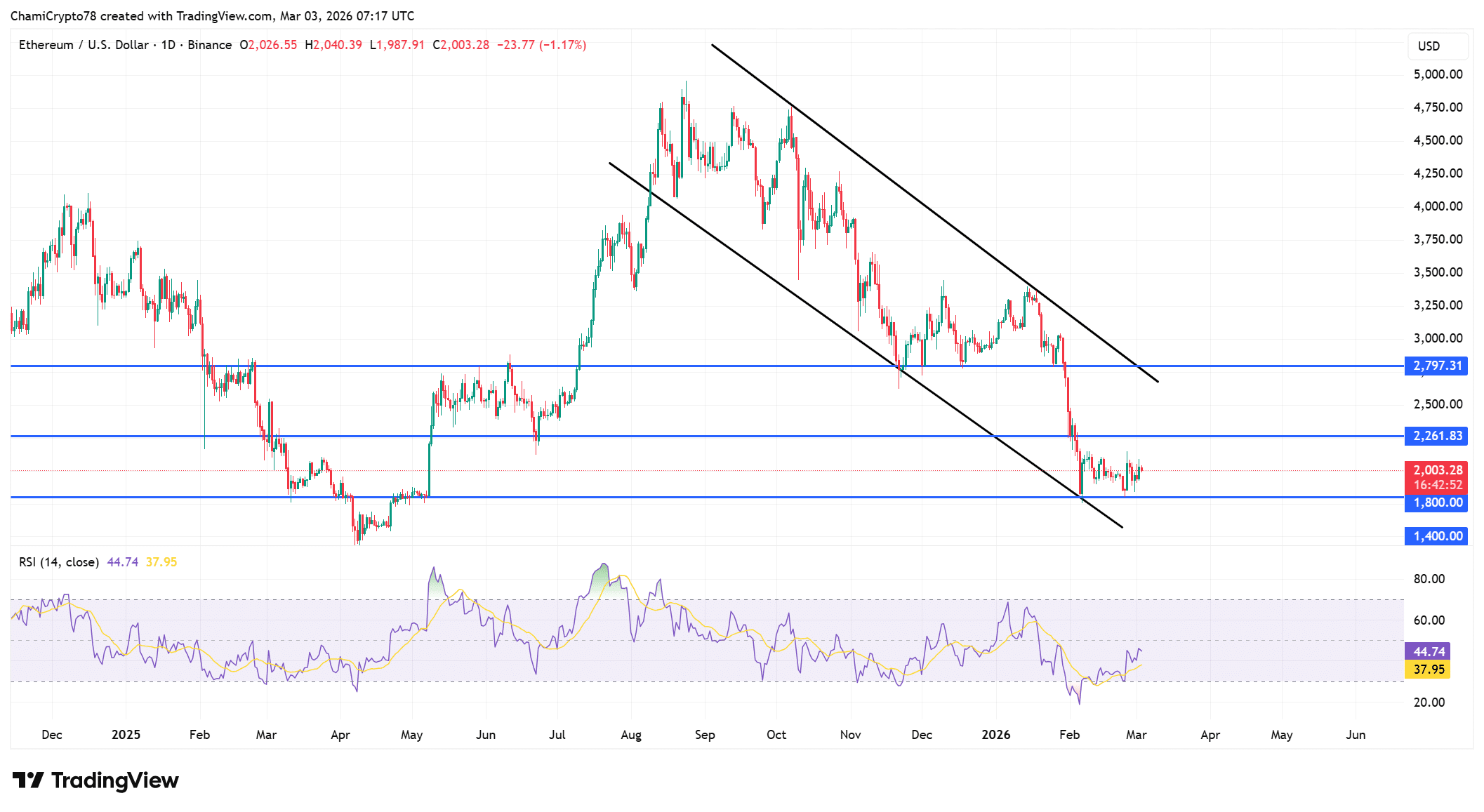
Ethereum whales accumulate $12.5mln – Is ETH’s $2,261 breakout next?
China’s RatingDog Manufacturing PMI climbs to 62.1 in February, Services PMI rises to 56.7
Trending news
MoreCrypto prices
More





