
Manufacturing’s Gentle Descent: A Macro View on How Commodity Prices Limit Growth

U.S. Manufacturing: Slowing Growth, Not a Collapse
America’s manufacturing industry is experiencing a slowdown, but it’s far from a dramatic downturn. Recent figures indicate the sector is adjusting after the rapid expansion that followed the pandemic and the surge in inflation, rather than entering a steep decline. The S&P Global U.S. Manufacturing PMI slipped to 51.6 in February, its lowest level in seven months, yet it remains well above the 50 mark that separates growth from contraction. This means manufacturing has now expanded for seven straight months.
What’s happening is a period of moderation. New orders are increasing at a slower pace, and export orders have fallen for eight months in a row. Companies cite familiar challenges: elevated costs, tariffs, and unfavorable weather are all weighing on demand. As a result, businesses are more cautious about hiring, with employment rising only slightly.
Inflation remains a key concern. While input costs have climbed, manufacturers are shouldering more of these expenses themselves. Selling price inflation has dropped to its lowest point in 14 months.
This combination—rising costs but slower price increases—squeezes profit margins and limits the ability to boost production, which in turn dampens demand for industrial materials.
In summary, the sector is experiencing a gentle slowdown, not a crash. Expansion continues, but at a much slower pace. This puts a cap on prices for industrial commodities, since robust manufacturing growth is a major driver for those markets—and that growth is now subdued. The current deceleration is a normal part of the business cycle, not a sign of deeper trouble.
Macro Forces: Diverging Policies and Real Rate Uncertainty
The outlook for commodity prices is being shaped by a tug-of-war in U.S. economic policy. On one hand, the Federal Reserve is cutting interest rates to support jobs. On the other, new tariffs are pushing inflation higher. This creates a complicated backdrop for real interest rates, which are crucial for long-term commodity pricing.
The Fed’s shift is evident. With the job market cooling and unemployment rising to 4.3% in January 2026, the central bank began lowering rates in September 2024, cutting the federal funds rate by 1.75 percentage points since then. The aim is to boost growth and employment—a classic response to economic softness. However, this approach clashes with the Fed’s other goal: keeping inflation in check. Price increases, as measured by the PCE index, have stayed above the 2% target, averaging 2.9% in 2025, with little sign of easing.
Meanwhile, trade policy is adding to inflation. The 2025 tariff package has generated an estimated $194.8 billion in revenue and pushed up imported core goods prices by 1% through November. Tariffs act as a tax on imports, and much of that cost is being passed on to consumers. This puts the Fed in a bind: while it tries to lower rates to spur the economy, tariffs are pushing inflation—and thus real rates—higher. The overall impact depends on which force prevails.
For commodities, these opposing forces create a narrow trading range. Lower real rates from Fed easing make commodities more appealing, but tariff-driven inflation raises costs for manufacturers, which can curb demand. The result is a market caught between a supportive monetary policy and inflationary trade policy, likely leading to choppy, range-bound prices rather than a strong, sustained rally.
Commodity Prices: Supply Chain Strains and Demand Headwinds
The combination of a manufacturing slowdown and conflicting policies is creating a tight environment for industrial commodity prices. Instead of a breakout, prices are likely to consolidate within a range, as supply chain disruptions and tariff pass-throughs meet persistent demand challenges.
On the supply side, vulnerabilities are keeping a floor under prices. In February, supplier delivery times lengthened to their worst since October 2022, with companies blaming shortages and bad weather. The ISM’s supplier deliveries index rose to 55.1, signaling slower deliveries. These ongoing supply chain issues support commodity prices by increasing logistical risks and potential bottlenecks.
At the same time, tariffs are adding persistent cost pressures. Data shows a significant share of these trade taxes is being passed on: the pass-through to imported consumer goods prices ranges from 31–63% for core goods and 42–96% for durables. This means U.S. manufacturers are facing higher input costs, which are then reflected in their own production expenses, keeping upward pressure on raw material prices.
However, these cost increases are running into a ceiling on demand. Manufacturers are controlling labor costs by reducing headcount rather than hiring, limiting their ability to ramp up production. Since January 2025, manufacturing employment has dropped by 83,000 jobs, directly weighing on future output and material consumption.
In short, supply chain fragility and tariff-driven costs are supporting commodity prices, but weak manufacturing growth and disciplined cost management are capping demand. The sector’s ability to pass on higher costs is limited, as shown by the moderation in selling price inflation. This margin squeeze restricts the industry’s capacity to expand, which in turn limits demand for raw materials.
The result is a constrained price environment. Commodities are unlikely to break out of their current range, instead trading between the support of supply chain and tariff pressures and the resistance of subdued manufacturing activity.
Key Catalysts: What Could Shift the Cycle?
Whether the current soft landing turns into a deeper downturn depends on several critical factors. The present situation is delicately balanced, and upcoming developments will determine if manufacturing stabilizes or enters a sharper contraction. The main risk is that persistent input costs and weak selling prices continue to squeeze margins, potentially leading to a more pronounced slowdown if demand falters further.
One of the most important indicators to watch is the ISM Manufacturing PMI. Although it remains above the 50 mark, recent declines are notable. The S&P Global Flash PMI dropped to a seven-month low of 51.2 in February, with overall business activity at a 10-month low. A fall below 50 would signal contraction and raise alarms for industrial demand. The ISM’s new orders sub-index is also slipping, hinting at possible further weakness. For now, expansion continues, but momentum is fading.
The Federal Reserve’s reaction to these trends will be crucial. With unemployment at 4.3% in January 2026, the Fed has already cut rates by 1.75 percentage points since September 2024. Markets expect no change at the March meeting. However, if inflation—especially input prices paid by factories, now at their highest in nearly three and a half years—doesn’t ease, the Fed may pause or even reverse its dovish stance, tightening financial conditions and potentially deepening the manufacturing slowdown.
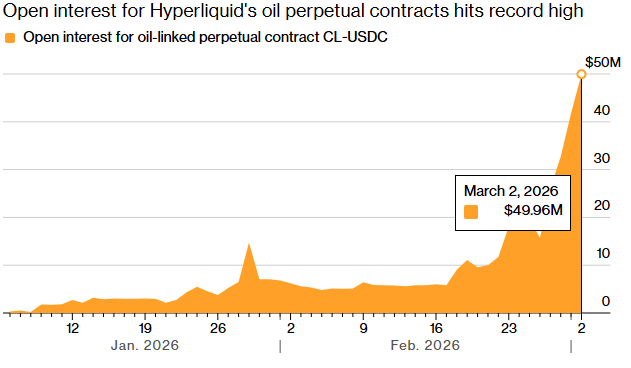
Geopolitical events also pose risks. The recent U.S.-led strike on Iran pushed oil prices higher, showing how quickly external shocks can disrupt commodity markets. Any escalation in key producing regions could drive up energy and raw material costs, adding more inflationary pressure to an already stressed sector.
On the positive side, there are some short-term offsets. Business confidence about the future jumped to a 13-month high in February, fueled by expectations of policy support and improved weather. A rebound in factory activity in January, as companies restocked ahead of expected price hikes, also provides a temporary cushion. The sector’s ability to absorb some tariff-related costs, as reflected in ISM data, adds a measure of resilience.
In conclusion, the manufacturing slowdown is a cyclical cooling, but its severity will depend on the interplay of labor market trends, inflation persistence, and geopolitical developments. For commodities, this means prices are likely to remain range-bound. A decisive drop in the ISM PMI, a hawkish shift from the Fed, or a major supply shock could break the current equilibrium and force a reassessment of commodity values. For now, markets are closely monitoring the data, awaiting the next signal.
Disclaimer: The content of this article solely reflects the author's opinion and does not represent the platform in any capacity. This article is not intended to serve as a reference for making investment decisions.
You may also like
What’s the truth behind RWA tokenization? ‘More friction, more cost’
Startale App Integrates Kyo Finance to Power Seamless Swaps on Soneium
Pet Valu Q4: Has the Expansion Been Factored Into the Price Already?
Silver Price Outlook: XAG/USD climbs toward $85.00 amid escalating Middle East conflict
Trending news
MoreCrypto prices
More





