
Why investors could be rethinking their stance on the conflict with Iran

Morning Brief Insights
Here’s a summary from today’s Morning Brief. You can to get it delivered to your inbox each morning, along with:
- Key stories we’re monitoring
- Recommended reading
- Updates on economic data and earnings reports
Market Response to Iran Conflict
Hostilities in Iran erupted over the weekend, but it wasn’t until Tuesday that financial markets began to react to the unfolding crisis.
Oil () and gas prices surged, equities dropped sharply, and Treasury yields increased as investors weighed the inflationary risks posed by escalating conflict in Iran.
Further reading:
While cryptocurrencies like bitcoin are often discussed during times of uncertainty, crypto enthusiasts have been notably quiet during this period of global instability.
Earlier this week, some tried to minimize the possible consequences of U.S. military involvement in Iran, but sentiment has shifted, and markets are now reassessing the risks.
U.S. leaders have signaled that military operations could expand and persist for weeks. The market consensus is quickly adjusting, suggesting that ignoring geopolitical risks, as was done in previous conflicts, is no longer viable. Investors are now recalibrating their approach to Iran-related risks.
On Tuesday, the S&P 500 () initially dropped about 2.4%. However, by the end of the day, losses were trimmed, and the index closed down just 0.9%.

As the situation evolves, markets are constantly reassessing the severity of the crisis. The consensus is clear: this is a significant event that cannot be ignored.
The Ongoing Threat of a Major Energy Disruption
Gregory Daco, chief economist at EY-Parthenon, noted, “The conflict is occurring near the world’s most critical energy passageway, the Strait of Hormuz. Any threat to shipping in this area immediately raises the risk of a widespread energy shock.”
The negative market sentiment is being fueled by increasingly alarming news coverage of the military escalation in the Middle East. The U.S. State Department has advised Americans to leave 14 countries in the region, highlighting the broad reach of Iran’s potential retaliation.
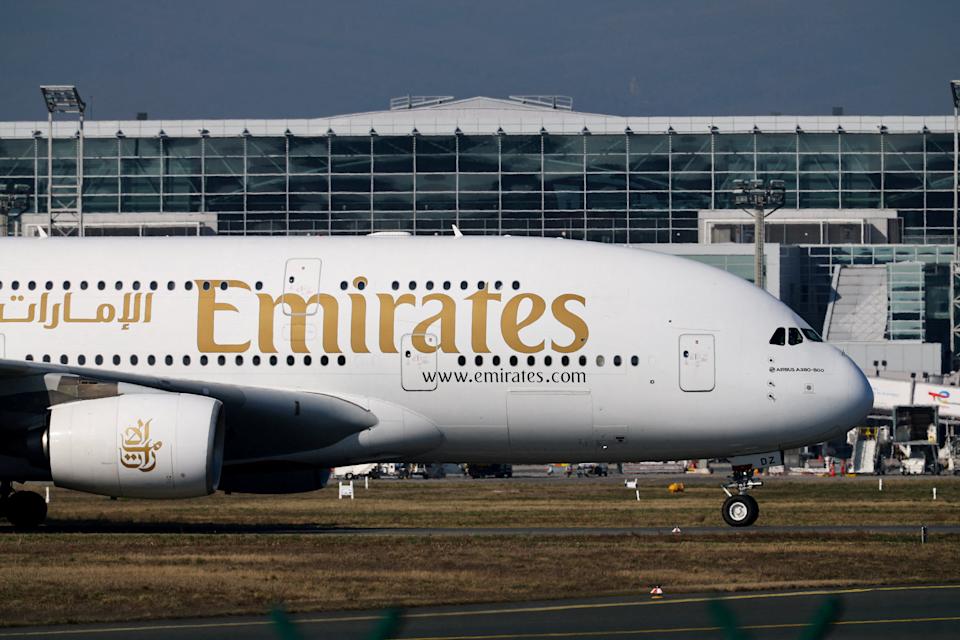 An Emirates flight carrying German tourists evacuated from the Middle East lands in Frankfurt, Germany, amid the U.S.-Israeli conflict with Iran, March 3, 2026. REUTERS/Kai Pfaffenbach/File Photo · REUTERS / Reuters
How Duration Amplifies Disruption
The overall impact of a major shock can be thought of as the product of its intensity and its duration.
The extent and length of this disruption remain uncertain, with varying predictions about how long the conflict in Iran could last.
Scenarios and Uncertainty
For example, Signum Global maintains that President Trump could accomplish his primary military goals within about a week. Other analysts are considering both brief escalations and drawn-out conflicts, with the latter posing greater risks.
Assessing the likelihood of these scenarios is challenging, as on-the-ground developments and official statements often conflict.
In retaliation for U.S. and Israeli airstrikes, Iran targeted oil facilities and , with at least nine countries reporting attacks. President Trump stated on Tuesday that “just about everything’s been knocked out” in Iran, including air defense and radar systems.
The International Monetary Fund warned on Tuesday that a prolonged conflict could worsen the global economic outlook if energy prices spike.
Chris Zaccarelli, chief investment officer at Northlight Asset Management, commented, “Military actions typically cause short-term market disruptions, but as long as the economic fallout is contained, markets tend to recover once there’s more clarity about the intervention’s scope.”
However, clarity is especially elusive in the early stages of a military operation.
Disclaimer: The content of this article solely reflects the author's opinion and does not represent the platform in any capacity. This article is not intended to serve as a reference for making investment decisions.
You may also like
Dogecoin Tests $0.090 Support After 3.4% Drop as Traders Watch Key Price Range
GameStop (GME) Shares Up 20% While Other Meme Stocks Fall in 2026
Call Traders Target Struggling Sports Retailer Before Earnings

Trending news
MoreCrypto prices
More





