
Passage refused: Closure of Hormuz continues to drive oil prices higher

Global Energy Markets React to Middle East Tensions
International oil prices are still climbing, albeit more moderately than the dramatic 5-8% surges seen earlier in the week, as investors prepare for possible disruptions in energy supplies due to ongoing instability in the Middle East.
By midday Wednesday, West Texas Intermediate (WTI) crude had risen 2.7%, trading near $75 per barrel. Brent crude saw an increase of over 3%, fluctuating between $83 and $89 per barrel.
Natural gas prices in Europe took a breather from their recent rally. The Dutch TTF benchmark futures retreated by 2% to around €50 per megawatt hour, after briefly touching €56/MWh.
This slight decline follows a period of extreme volatility, during which prices almost doubled within two days.
The sharp rise was largely attributed to worries over liquefied natural gas (LNG) availability, after attacks on energy infrastructure in Qatar forced a halt in production. This has heightened concerns about a tighter global supply and renewed pressure on European markets.
Despite the recent pullback, energy prices remain well above pre-conflict levels, highlighting the market’s vulnerability to geopolitical shocks.
Strait of Hormuz: A Critical Bottleneck
The launch of Operation Epic Fury—a joint US-Israeli offensive targeting Iranian leadership and nuclear sites—has rendered the Strait of Hormuz, a vital passage for about 20% of the world’s oil and LNG shipments, nearly impassable.
Iran, which controls this narrow waterway connecting the Persian Gulf to the Gulf of Oman, has seen a dramatic reduction in vessel traffic since coordinated military strikes began on Saturday, February 28.
Reports indicate that several tankers have been struck by projectiles near the strait, further discouraging shipowners from attempting the passage.
According to Vortexa, an energy market analytics firm, only four crude tankers passed through the Strait of Hormuz on Sunday, March 1—down from an average of 24 daily since January. Of these, three were Iranian-flagged vessels.
Lloyd’s List Intelligence data suggests that around 200 international crude and product tankers are now effectively trapped in the Gulf, as the strait has become too perilous to navigate.
US Response and Market Impact
On Tuesday, President Donald Trump announced that the US International Development Finance Corporation would offer political risk insurance and financial guarantees to support maritime trade.
“If needed, the US Navy will begin escorting tankers through the Strait of Hormuz as soon as possible,” Trump stated in a message released by the White House on X.
Nevertheless, the ongoing upward trend in prices suggests that these assurances have not fully calmed market anxieties.
Mizuho Bank noted, “While Trump’s pledges to provide shipping insurance and naval escorts may help, they do not remove the persistent upward risks to oil prices.”
The bank also estimated that increased insurance premiums could add between $5 and $15 per barrel, keeping the “war premium” firmly in place.
Broader Consequences of the Middle East Conflict
Concerns are mounting that the conflict—predicted by Trump to potentially last a month or more—could escalate further, unsettling global markets and raising fears that sustained high energy prices could hamper economic growth and corporate earnings.
Francis Lun, CEO of Venturesmart Asia, commented, “The Iran situation is spiraling out of control, and I believe President Trump has made a significant miscalculation.”
The outlook remains bleak.
Forecasts and Economic Risks
On Wednesday, Goldman Sachs revised its oil price projections for the second quarter upward.
The bank now expects Brent crude to average $76 per barrel in Q2 2026—$10 higher than previous estimates—while WTI is forecast to rise by $9 to $71 per barrel.
These forecasts assume another five days of severely limited exports through the Strait of Hormuz, followed by a gradual recovery over the next month. However, Goldman Sachs warned that if disruptions persist for five weeks, oil prices could soar to $100 per barrel.
Persistently elevated oil prices are complicating the interest rate strategies of major central banks, including the Federal Reserve. Higher energy costs are fueling inflation, reducing the likelihood of rate cuts in the near future.
Disclaimer: The content of this article solely reflects the author's opinion and does not represent the platform in any capacity. This article is not intended to serve as a reference for making investment decisions.
You may also like
Wall St futures edge higher following news of Iran-US negotiations aimed at resolving conflict
Stablecoins will stay, but only if built right
Cardano Creator Says XRP Might Get a Free Pass. Here’s why
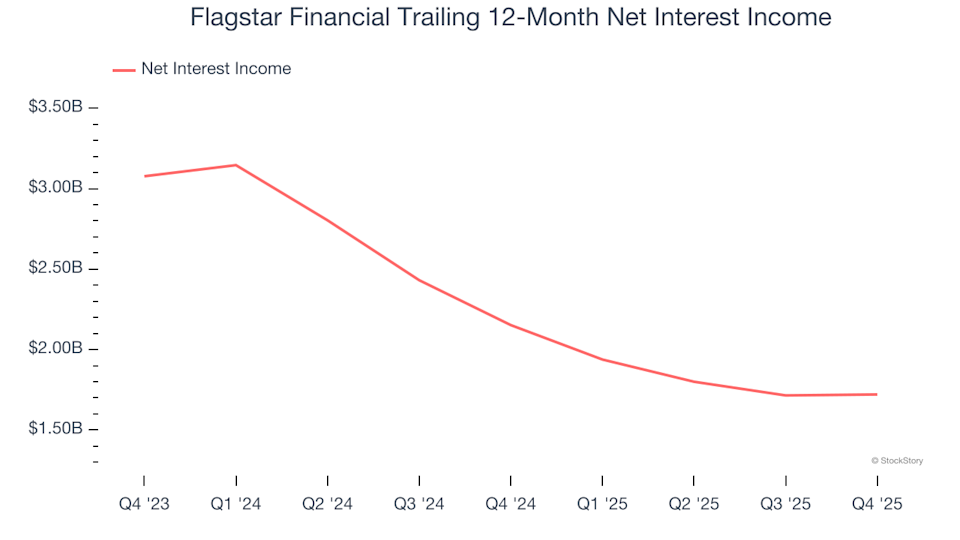
3 Reasons Why You Should Steer Clear of FLG and One Alternative Stock Worth Buying
Trending news
MoreCrypto prices
More





