
Ethereum Faces $2,100 Challenge: Examining Accumulation and Resistance Dynamics

Ethereum Price Action: Tight Range and Key Resistance Levels
Ethereum is currently experiencing a narrow daily trading range, with supporting this period of consolidation. The cryptocurrency is now challenging a significant resistance zone near $2,100—a level that has repeatedly influenced its short-term price movements. This resistance sits just above a well-defined demand area between $1,950 and $1,980, setting the stage for a fierce contest between buyers and sellers.
The immediate technical obstacle for Ethereum is the $2,100 mark. Should the price manage to break through, the next major liquidity target lies at the $2,150 level, where previous highs are clustered. A decisive move above this threshold could pave the way for a rally towards the $2,250–$2,300 range. On the other hand, if Ethereum continues to face rejection below $2,100, the price may retreat to lower support levels, with the Supertrend indicator and descending channel resistance presenting additional barriers overhead.
Adding to the accumulation narrative, the long-term has recently spiked, echoing patterns seen during previous accumulation periods. This uptick, occurring as Ethereum forms higher lows while testing resistance near $2,100, points to renewed buying interest building within the broader market structure.
Institutional Inflows and Retail Investment Approaches
Institutional activity is currently the most notable on-chain trend. BlackRock has introduced its $2.4 billion tokenized US Treasury fund, BUIDL, for trading on UniswapX, marking its first direct foray into decentralized finance. This move creates a compliant pathway for traditional capital to enter the Ethereum ecosystem, setting a new standard for large-scale, institutional transactions.
Meanwhile, retail investors are providing a strong foundation of demand. The most popular strategy among crypto traders is dollar-cost averaging, with naming it as their preferred method. This disciplined, regular buying helps smooth out volatility and enables investors to build positions over time, regardless of short-term price swings.
Together, these institutional and retail flows are reshaping Ethereum’s investment landscape. The market is evolving beyond simple price speculation, with yield generation through staking and DeFi protocols now playing a central role in portfolio strategies. These mechanisms offer attractive returns during periods of consolidation, making ETH a more efficient and appealing asset for a wider range of investors.
Key Triggers and Liquidity Zones to Monitor
The next technical catalyst for Ethereum is a sustained move above the $2,150 liquidity cluster. If the price can firmly break this level, it would signal renewed bullish momentum, with the $2,250–$2,300 range as the next target. If, however, Ethereum is rejected at $2,100, attention shifts to the established demand zone between $1,950 and $1,980. This area has consistently attracted buyers, and a rebound here would reinforce the accumulation narrative. Failure to hold this support could open the door to a drop towards the $1,750–$1,800 region.
The broader market is awaiting a decisive breakout or breakdown from the current $1,950–$2,100 range. Whichever direction is confirmed will set the stage for the next major liquidity target and define the path of least resistance. Until then, Ethereum remains in a period of consolidation, with trading volume and sentiment building in anticipation of the next significant move.
Disclaimer: The content of this article solely reflects the author's opinion and does not represent the platform in any capacity. This article is not intended to serve as a reference for making investment decisions.
You may also like
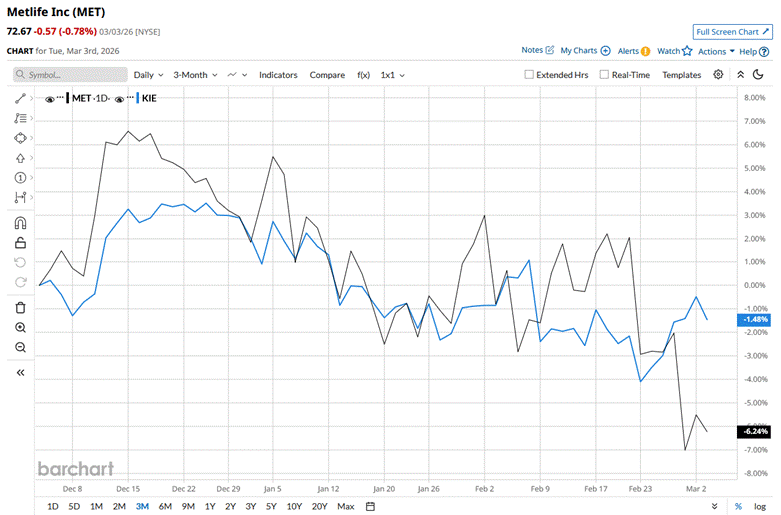
How does MetLife's stock performance stack up against other insurance companies?
Why Peter Thiel’s Founders Fund walked away from an Ether treasury bet
Rising energy prices from the Iran war could help Russia pay for fighting in Ukraine
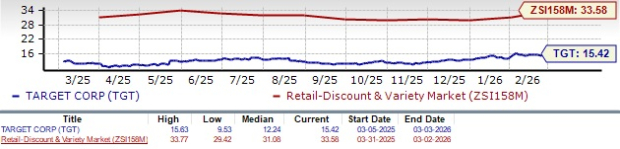
Target shares climb 7% following announcement of ambitious long-term growth plan
Trending news
MoreCrypto prices
More





