The crypto market faced a serious stress test over the last few days due to the rising tensions in the Middle East (especially around the Strait of Hormuz), which sent shockwaves through traditional markets, oil prices, and digital assets alike.
The Strait of Hormuz, a narrow stretch of water that carries nearly 20% of the world’s oil by sea, has become the flashpoint as military tensions ramp up between the US, Israel, and Iran.
As a result, the chaos sent oil prices spiking up as much as 10% after the Strait of Hormuz shut down, while traditional risk assets like stocks got hit hard as fears of an ever bigger economic fallout grew.
This fight is also exposing cracks in the AI and tech trade.
Korea imports most of its energy, and its main stock index, the KOSPI, is packed with tech names such as Samsung and SK Hynix. Since both are massive players in semiconductors (AI hardware), any squeeze on energy hits their ability to produce. As such, the KOSPI has dropped 20% from its highs.
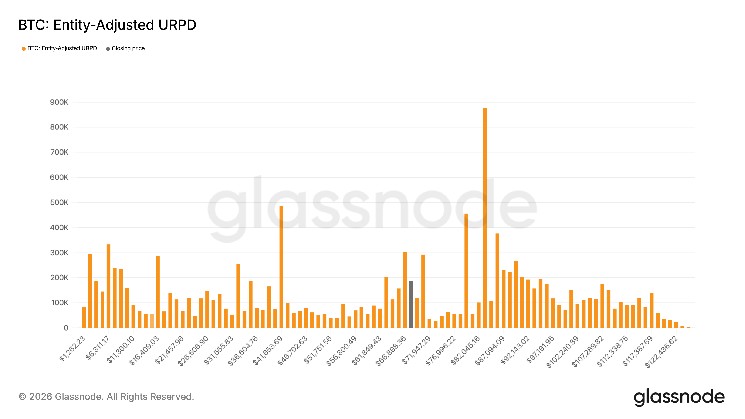
Interestingly, Bitcoin held up well during the turmoil. Despite missiles still flying and supply routes at risk, Bitcoin held firm inside its usual range, refusing to break down and showing that the market is getting better at absorbing geopolitical chaos.
The data backs it up, too. Bitcoin mostly held above the $67,000-$68,000 range through Asia and early US hours, only taking small hits compared to the wild swings in oil and stocks.
What’s more, Bitcoin achieved notable gains today, with an almost 8% increase in the last 24 hours, and is trading at $71,700 at press time.
(adsbygoogle = window.adsbygoogle || []).push({});Part of that strength might come from institutions stepping back in. Bitcoin ETFs saw inflows of approximately $458 million on March 2 and around $225 million on March 3. This suggests that some players are treating the dip and global uncertainty as a chance to buy.
In fact, many cryptos have seen price growth over the last 24 hours, with both Ethereum and Solana recording gains of over 7%. BNB and XRP are seeing similar results, with about 5% increase.
That said, things are still up in the air. If energy supply keeps getting squeezed, risk-off vibes could stick around longer. However, the pickup in ETF demand and positioning flows suggests investors aren’t totally ditching crypto just yet.
Related: Middle East Conflict Escalates, Stocks, Crypto Fall; Oil & Gold Surge