
Margin Debt and Private Credit: Signals from Capital Flows

Record Margin Debt Signals Market Risk
As of October, American investors have accumulated an unprecedented $1.18 trillion in margin debt, with a sharp $58 billion increase in just one month. This debt is expanding at more than double the pace of the stock market itself—a pattern that previously emerged before the market collapses of 1929, 2000, and 2008. Historically, margin debt and market performance have moved closely together, so this growing gap is a significant red flag for potential instability.
Private Credit: A Growing Vulnerability
One of the main concerns lies in the allocation of assets to insurance companies in pursuit of higher returns, a strategy that has drawn regulatory attention. According to a major 2024 Financial Stability Report, over 40% of firms relying on private credit are operating with negative cash flow, highlighting mounting systemic pressures. This fragility was recently exposed when a Blackstone fund was forced to increase its repurchase limit to handle nearly $2 billion in redemption requests, a move that could rapidly spread financial stress throughout the market.
Key Market Triggers to Monitor
The most important signal to watch is a persistent disconnect between the growth of margin debt and stock market returns. Given their historically tight relationship, a sustained divergence would indicate that leverage is becoming a destabilizing factor, rather than just a measure of investor sentiment. While margin debt has climbed alongside the S&P 500 to new highs, the recent dip to one-month lows exposes the market’s sensitivity to shifts in risk appetite.
Absolute Momentum (Long-Only) Strategy Overview
- Entry Criteria: Buy SPY when the 252-day rate of change is positive and the price closes above the 200-day simple moving average (SMA).
- Exit Criteria: Sell when the price falls below the 200-day SMA, after 20 trading days, or if a take-profit of +8% or stop-loss of -4% is reached.
- Asset Traded: SPY
- Risk Controls:
- Take-Profit: 8%
- Stop-Loss: 4%
- Maximum Holding Period: 20 days
Backtest Performance Summary
- Total Return: 5.08%
- Annualized Return: 2.76%
- Maximum Drawdown: 6.13%
- Profit-Loss Ratio: 1.19
Trade Statistics
- Total Trades: 13
- Winning Trades: 7
- Losing Trades: 6
- Win Rate: 53.85%
- Average Holding Period: 15 days
- Maximum Consecutive Losses: 2
- Average Gain per Winning Trade: 2.59%
- Average Loss per Losing Trade: 2.11%
- Largest Single Gain: 3.91%
- Largest Single Loss: 4.46%
Private Credit Stress Points
For those monitoring private credit, the most important metrics are fund redemption activity and the valuation of insurer-held assets. The recent case of a Blackstone fund raising its repurchase cap to accommodate $2 billion in withdrawals illustrates how quickly stress can spread. This echoes warnings from the 2024 Financial Stability Report, which found that over 40% of private credit borrowers are cash flow negative, making the sector especially vulnerable if investor confidence falters.
Expert Perspective: Systemic Risks Ahead
Former Goldman Sachs CEO Lloyd Blankfein has described the current environment as one where a “crisis of the century” could occur every few years, with risks concentrated in tight credit spreads and the opaque nature of private credit markets. With the financial system heavily reliant on leverage and complex structures, it remains highly susceptible to unexpected shocks.
Disclaimer: The content of this article solely reflects the author's opinion and does not represent the platform in any capacity. This article is not intended to serve as a reference for making investment decisions.
You may also like
Delays in tariff refunds may lead to $700 million in monthly interest expenses for the U.S.
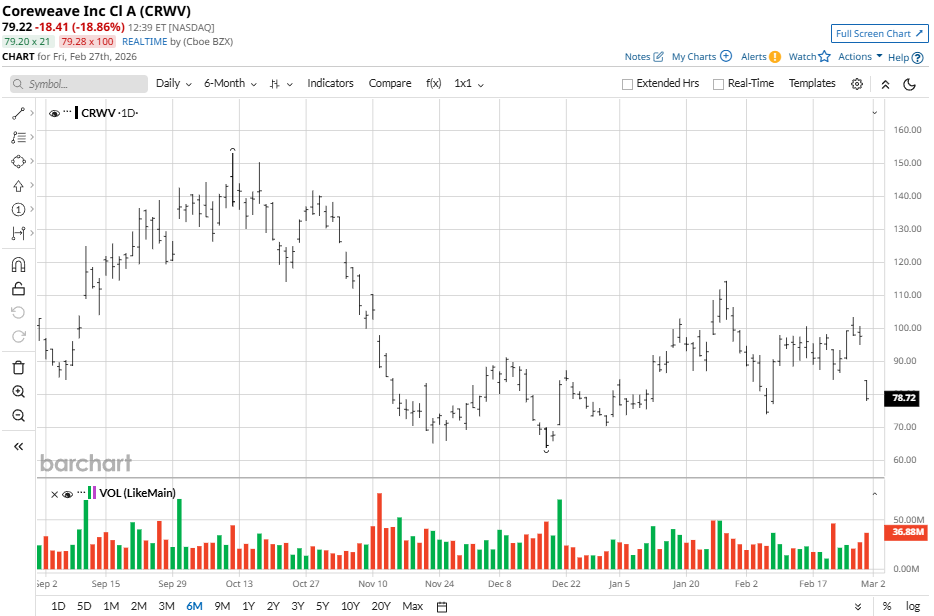
As CoreWeave Pursues $8.5 Billion in Financing, Is It Time to Buy, Sell, or Hold CRWV Shares?
Ellas Alpha 3.0: A Quant Trader's Journey from Skepticism to Flow-Driven Confidence
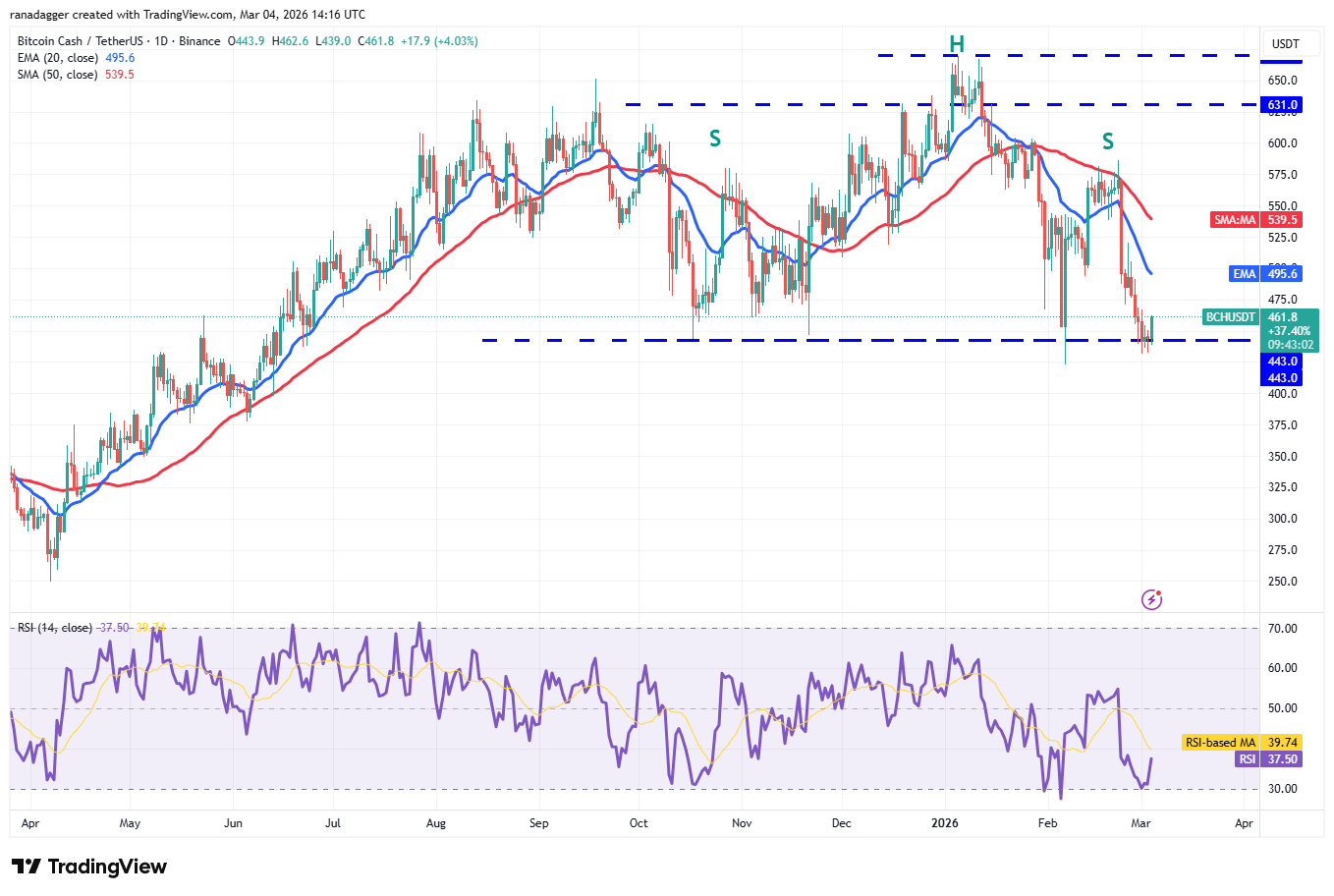
Price predictions 3/4: BTC, ETH, BNB, XRP, SOL, DOGE, ADA, BCH, HYPE, LINK
Trending news
MoreCrypto prices
More





