
Investing in silver or other metals? Discover ways to minimize your tax burden.

Silver’s Meteoric Rise and Its Tax Implications
While gold’s surge toward $5,300 in 2025 and 2026 caught the eye of many investors, it was silver’s dramatic leap beyond $90 per ounce that truly dominated the headlines.
The reason for silver’s rally is clear: it has become a cornerstone of the green energy movement. Modern solar panels require significant amounts of silver, and electric vehicles use about twice as much silver as their gasoline-powered counterparts.
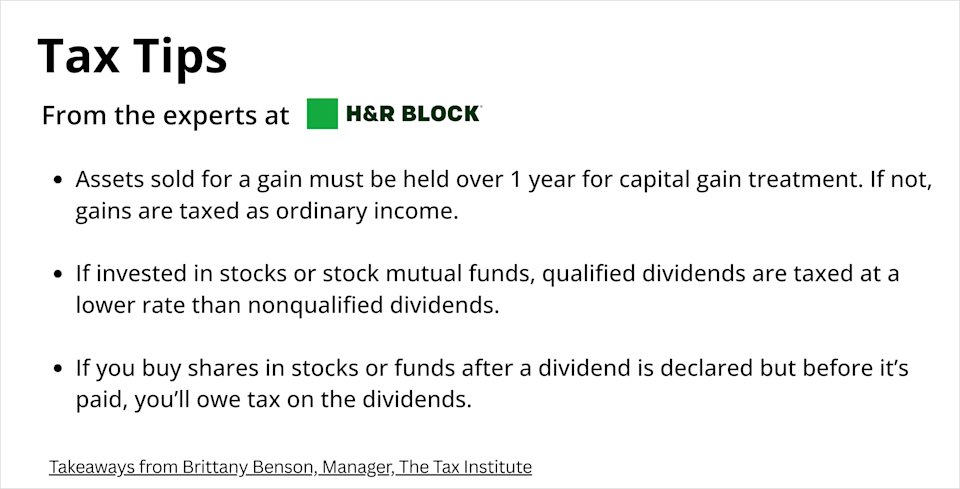
Additionally, ongoing concerns about tariffs following Trump’s return to the presidency have pushed more investors toward precious metals, seeking a hedge against inflation and a weakening dollar.
If you purchased silver at $20, you’re now sitting on substantial profits. Over the past year alone, silver has soared by 180%. Those who invested in 2006 have seen gains exceeding 790%.
However, there’s a catch: the IRS does not tax silver the same way it taxes technology stocks. Without proper planning, you could end up paying as much as 28% or more of your profits in taxes. Here’s what you should know.
Are Silver Profits Taxable?
Yes, silver is considered a capital asset. If you sell it for more than you paid, your profit is taxable and must be reported on Schedule D of your federal tax return.
Many people believe that holding silver for over a year qualifies them for the same long-term capital gains rates as stocks—0%, 15%, or 20%—but that’s not the case.
In reality, it doesn’t work that way.
The 28% Collectible Tax Rule
The IRS treats physical precious metals—such as bars, rounds, and coins—as collectibles. This classification significantly impacts how your gains are taxed.
Short-Term Gains
If you own silver for one year or less, any profit is taxed as ordinary income, which could be as high as 37% depending on your tax bracket.
Long-Term Gains
For silver held longer than a year, gains are taxed at your regular income rate, but the maximum is capped at 28%.
Here’s how it breaks down:
- If you’re in the 10%, 12%, 22%, or 24% tax brackets, your silver profits are taxed at those rates.
- If you fall into the 32%, 35%, or 37% brackets, your rate is capped at 28%.
So, if you’re used to paying 15% on stock gains, you might pay 22% or 24% on silver, depending on your income. For those in the highest brackets, the 28% cap is lower than their usual rate but still higher than the 20% maximum for stocks. This difference can add up quickly with large profits.
Physical Silver vs. Silver ETFs: Tax Differences
Some investors choose exchange-traded funds (ETFs) like the iShares Silver Trust (SLV) or abrdn Physical Silver Shares ETF (SIVR) instead of holding physical silver.
Although these ETFs trade like stocks, the IRS treats most physically backed silver ETFs as grantor trusts, meaning you’re taxed as if you own the silver directly.
This means long-term gains from these ETFs are also subject to the 28% collectible rate. Don’t assume that buying an ETF automatically gives you the same tax treatment as stocks.
When you sell ETF shares through a brokerage, you’ll receive Form 1099-B, and the sale is usually reported to the IRS. However, your cost basis may not be tracked automatically.
Silver Mining Stocks
If you want to benefit from standard long-term capital gains rates (0%, 15%, or 20%), consider investing in mining or streaming companies, such as:
- Pan American Silver (PAAS)
- Wheaton Precious Metals (WPM)
- First Majestic Silver (AG)
Selling shares in these companies is treated as selling stock, not a collectible, which can be more tax-efficient. However, you’ll also take on company-specific risks, regardless of silver’s price movement.
Junk Silver
“Junk silver” refers to pre-1965 U.S. dimes, quarters, and half-dollars that are 90% silver. These coins have a dedicated following among collectors.
Some believe these coins are exempt from capital gains tax because they’re legal tender, but that’s not true. Taxes generally apply to sales of $1,000 or more.
For example, if you bought $1,000 in face value of 90% silver coins for $15,000 and later sold them for $60,000, the $45,000 profit is taxable.
Reporting Silver Sales to the IRS
There’s a misconception that silver transactions are invisible to the government. While they are more private than bank accounts, certain transactions require dealers to report your sale.
The 1,000-Ounce Rule
If you sell 1,000 troy ounces of silver bars or rounds in a single transaction, the dealer must file Form 1099-B with the IRS.
Most widely traded coins, such as the American Silver Eagle, do not automatically trigger this reporting, regardless of the quantity sold.
This does not mean your gains are tax-free—you are still responsible for reporting and paying any capital gains taxes owed.
Junk Silver Reporting Threshold
For 90% silver coins, the reporting requirement is triggered when you sell $1,000 or more in face value in a single transaction.
Avoiding Structuring
Any cash transaction over $10,000 involving silver requires the dealer to file Form 8300 with the IRS.
Trying to break up a large sale into smaller cash transactions to avoid reporting—known as structuring—is risky. Dealers are required to monitor for suspicious activity, and attempting to evade reporting can result in penalties.
Payments by check, wire, credit or debit card, PayPal, or ACH are not considered cash for these purposes and generally do not trigger this requirement.
Three Strategies to Reduce Taxes on Silver
While you can’t legally avoid taxes, you can structure your investments to reduce or defer them.
1. Use a Self-Directed IRA
You may have seen advertisements for silver or gold IRAs. These are simply self-directed IRAs that allow you to hold physical bullion.
Traditional IRAs at major brokerages typically don’t permit physical silver holdings. To hold actual bars or coins, you’ll need a self-directed IRA managed by a specialized custodian.
This approach is one of the most effective ways to defer or even eliminate the 28% collectible tax.
You can choose between:
- Traditional self-directed IRA: Silver grows tax-deferred; you pay ordinary income tax upon withdrawal in retirement.
- Roth self-directed IRA: Contributions are after-tax, but gains and qualified withdrawals in retirement are tax-free.
If silver appreciates significantly over time, holding it in a Roth IRA can eliminate capital gains taxes altogether.
Note: The IRS requires the metal to be stored in an approved depository—you cannot keep it at home.
2. Tax-Loss Harvesting
Since silver is a capital asset, you can offset gains with losses from other investments, a strategy known as tax-loss harvesting.
If you have underperforming stocks or cryptocurrencies, selling them can help reduce your tax bill.
For example:
- Silver gain: $40,000
- Stock loss: $30,000
- Net taxable gain: $10,000
By using your losses, you can shield a portion of your silver profits from the 28% collectible tax.
3. Increase Your Adjusted Cost Basis
Your taxable gain is not just the difference between your purchase and sale price. You can add acquisition and selling costs to your basis, reducing your taxable profit.
Include these expenses in your calculations:
- Dealer premiums
- Shipping costs
- Safe-deposit box fees
- Appraisal charges
Every legitimate expense related to buying or storing silver can increase your cost basis and lower your taxable gain.
Keep thorough records and receipts—poor documentation can result in a higher tax bill.
The Wash Sale Rule and Silver
The wash sale rule prevents investors from selling a security at a loss and quickly repurchasing it to claim a tax deduction. This rule applies to securities like stocks and ETFs.
Physical bullion is not classified as a security, so many tax professionals believe the wash sale rule does not apply to direct silver holdings.
This means you could, in theory, sell physical silver at a loss and buy it back within 30 days to claim the deduction. However, the rules are complex, so consult a tax expert before using this strategy.
Frequently Asked Questions About Silver Taxes
Are Gold and Silver Taxed the Same Way?
Yes, both are considered collectibles and subject to a maximum 28% long-term capital gains tax. Reporting thresholds may vary by metal and product, but the tax treatment is similar.
Does Holding Silver for More Than a Year Help?
It helps you avoid short-term ordinary income rates, but long-term gains are still taxed under the collectible rules.
Can You Completely Avoid Taxes on Silver?
No, not in a taxable account or with physical holdings. You can only defer or eliminate taxes by holding silver in retirement accounts, such as a Roth self-directed IRA, and following the rules for distributions.
For silver ETFs, a standard Roth IRA at a regular brokerage is sufficient—you don’t need a self-directed IRA.
Do States Tax Silver?
Yes, many states tax silver gains as regular income, without the federal 28% cap. On the purchase side, some states exempt investment-grade bullion from sales tax if you meet a minimum threshold, often $1,000. Buying below that amount may mean you owe sales tax, and out-of-state purchases can trigger use tax. Rules vary by state and product.
Does Tax Software Automatically Apply the Collectible Rate to Silver ETFs?
No, most tax software does not automatically recognize silver ETFs as collectibles. If you import your 1099-B and don’t review the details, the software may default to standard capital gains rates.
Here’s the typical process:
- You import Form 1099-B from your broker.
- The transaction appears with your other ETF and stock sales.
- You must review and indicate if it’s a collectible, and may need to enter your cost basis.
Most programs include a prompt asking if the sale involves a collectible. If so, select that option to ensure the 28% maximum rate is applied.
If your silver ETF is held in an IRA, these rules do not apply—collectible tax rates only matter in taxable brokerage accounts.
Disclaimer: The content of this article solely reflects the author's opinion and does not represent the platform in any capacity. This article is not intended to serve as a reference for making investment decisions.
You may also like
Fed Beige Book Reveals Steady US Growth as Geopolitical Tensions Persist

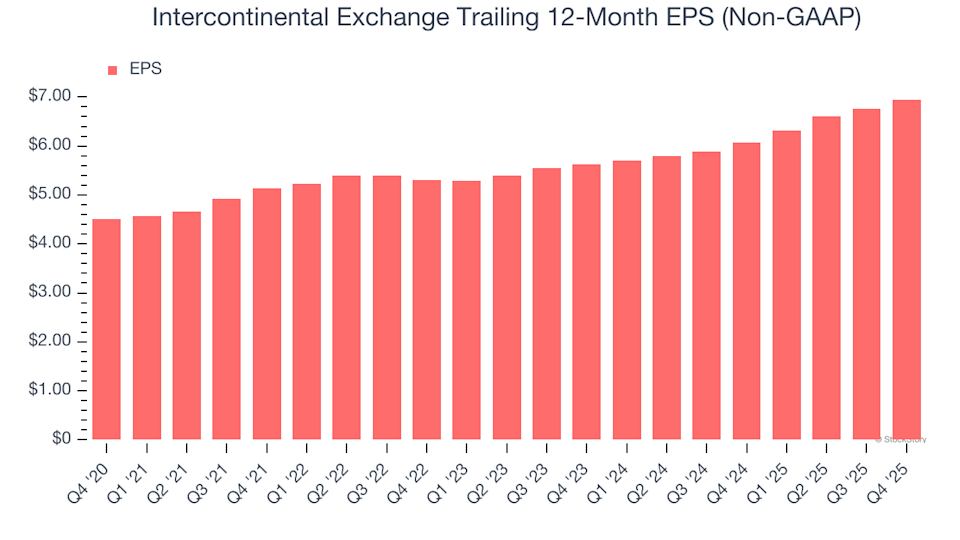
1 Reason ICE carries risk and an alternative stock worth considering
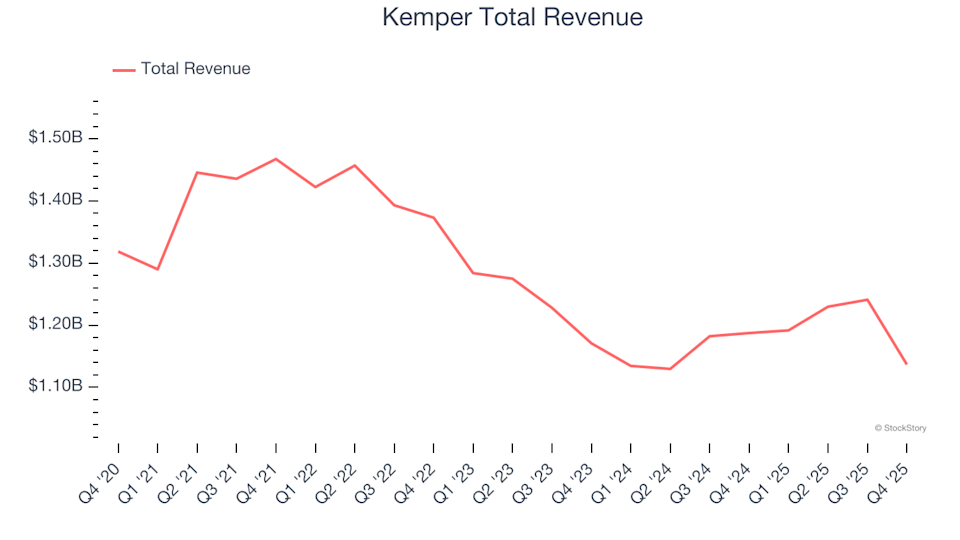
Unveiling Q4 Results: How Kemper (NYSE:KMPR) Compares to Other Multi-Line Insurance Companies
Defense Metals conditionally approved for Canadian infrastructure funding
Trending news
MoreCrypto prices
More





