
BTI Gains 0.99% with $0.31B in Trading Volume, Placing 416th; 5.4% Yield and Legal Concerns Lead to Split Among Investors

Overview of Market Performance
On March 4, 2026, British American Tobacco (BTI) ended the trading session up 0.99%, even as trading volume dropped sharply by 27.38% to $310 million, placing it 416th in daily market activity. Shares opened at $62.14, hovering close to the 52-week peak of $63.22. The company’s 50-day and 200-day moving averages, at $58.91 and $56.32 respectively, signal a positive momentum over both short and medium terms. Institutional investors currently own 16.16% of BTI’s outstanding shares. Recent quarters have seen mixed institutional moves, including a 6.6% decrease in holdings by the Teachers Retirement System of the State of Kentucky.
Main Influences on Stock Movement
Institutional Holdings and Shareholder Attitudes
BTI’s modest price increase came amid varied institutional activity. While the Kentucky Teachers Retirement System trimmed its position by 6.6% in the third quarter of 2025, other investors increased their stakes. Both Salem Investment Counselors Inc. and Westside Investment Management Inc. doubled their holdings, with Westside acquiring 391 more shares to reach a total of 782 shares valued at $41,000. Diversify Wealth Management LLC also entered the stock, purchasing 21,679 shares for $1.14 million. These differing strategies among major investors reflect a balance between caution over regulatory uncertainties and confidence in BTI’s attractive dividend and long-term prospects.
Dividend News and Analyst Perspectives
The company’s recent announcement of a quarterly dividend of $0.8349 per share, translating to an annualized yield of 5.4%, has drawn the attention of income-oriented investors, as it stands among the highest yields in the consumer staples sector. Analyst opinions remain divided: eight analysts have issued “Buy” recommendations, while Morgan Stanley and others have maintained “Underweight” or “Sell” ratings. In February 2026, Weiss Ratings upgraded BTI from “Hold” to “Buy,” citing a more favorable risk-reward profile. Nevertheless, regulatory concerns persist, including an unresolved lawsuit in the UK over alleged failures to disclose U.S. sanctions violations related to North Korean operations.
Legal and Regulatory Challenges
BTI continues to face significant legal and reputational risks. The company is currently involved in a lawsuit in London, where shareholders allege that BTI failed to disclose violations of U.S. sanctions by a subsidiary that sold tobacco products to North Korea between 2007 and 2017. This follows a $635 million penalty imposed in 2023. Additionally, anti-tobacco organizations have criticized BAT’s sponsorship of Formula One teams such as McLaren and Ferrari through its nicotine pouch brands, Velo and Zyn, arguing these partnerships appeal to younger audiences. Such controversies may increase regulatory scrutiny and undermine consumer confidence, especially as global markets shift toward healthier alternatives.
Strategic Initiatives and Industry Position
BTI has accelerated its transition toward non-combustible products, notably with the expansion of its Velo nicotine pouches into Kenya in late 2025. The company expects these products to contribute 15–25% of revenue in the medium term. Currently, smokeless products represent 18.2% of total revenue, with a goal of reaching 50% by 2035. However, this segment faces stiff competition from companies like Philip Morris International, which also invests heavily in F1 sponsorships. The ultimate success of BTI’s strategy will depend on regulatory approvals and consumer acceptance in key markets.
Outlook
BTI’s 0.99% gain on March 4, 2026, highlights the ongoing tension between investor enthusiasm for its high dividend and persistent concerns over legal and ethical issues. While institutional buying and favorable analyst upgrades offer short-term support, unresolved lawsuits and public criticism could weigh on future performance. The company’s ability to sustain its 5.4% yield and successfully expand its non-combustible product line will be crucial as the industry landscape continues to evolve.
Disclaimer: The content of this article solely reflects the author's opinion and does not represent the platform in any capacity. This article is not intended to serve as a reference for making investment decisions.
You may also like
Revolve’s High-End Strategy: Evaluating Market Penetration and Growth Potential Amidst a Decelerating Industry
Analyst: Historically, XRP Spikes Like This Come Before Big Moves
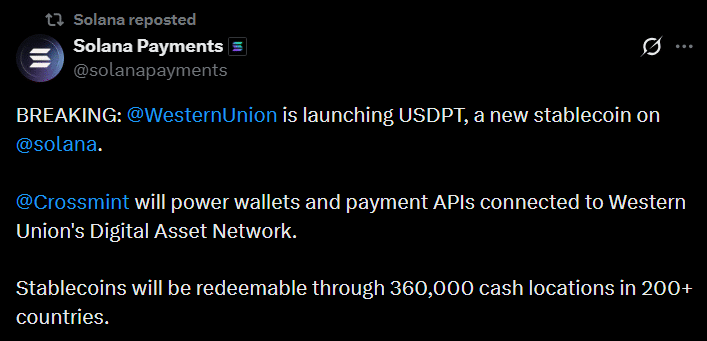
Western Union launches USDPT on Solana: March rally for SOL?
Trending news
MoreCrypto prices
More





