
Saudi Arabia Scrambles to Divert Oil Shipments Amid Rapidly Filling Gulf Storage

Saudi Arabia Reroutes Oil Exports Amid Strait of Hormuz Crisis
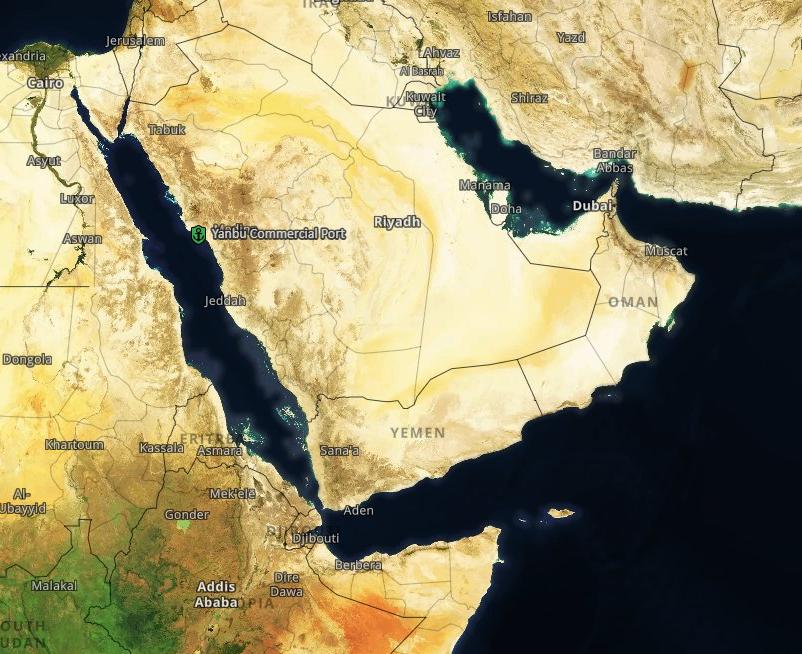
As the ongoing conflict in Iran disrupts shipping through the vital Strait of Hormuz, Saudi Arabia is redirecting millions of barrels of crude oil to its Red Sea port of Yanbu. This strategic move allows the world's leading oil exporter to keep global markets supplied, even as regional storage facilities reach capacity and traditional shipping routes are blocked.
According to data tracked by Bloomberg, five supertankers have already loaded oil at Yanbu this month, tripling the port’s average export volume compared to February. While Saudi Arabia typically relies on Ras Tanura in the Persian Gulf for most of its shipments, the current conflict has prevented many cargoes from leaving the region as usual.
Top Stories from Bloomberg
The closure of Hormuz to commercial vessels has severely restricted the flow of oil, fuel, and gas from the Persian Gulf, threatening the region's energy output if the blockade continues. Thanks to its extensive storage facilities and the ability to reroute shipments to Yanbu, Saudi Arabia is better positioned than other Gulf producers to weather the disruption, according to analysts at JPMorgan Chase & Co.
Saudi Aramco announced on Wednesday that it is transporting export volumes from its main eastern production sites to Red Sea ports via pipeline. This infrastructure is capable of handling the majority of the country’s daily crude exports, which total around 7 million barrels.
Bloomberg’s tanker-tracking data reveals that five very large crude carriers (VLCCs) have departed Yanbu in the first four days of March, collectively carrying up to 10 million barrels. This surge has pushed average daily exports from Yanbu to approximately 2.5 million barrels so far this month, a significant jump from last month’s 786,000 barrels per day. Several more tankers are now en route to the Red Sea, having changed course from the Persian Gulf.
Oil prices have responded sharply to the crisis. Brent crude futures have climbed nearly 15% since last Friday, surpassing $80 per barrel for the first time in over a year. European natural gas prices have also spiked, following a temporary production halt by major exporter Qatar.
With the Strait of Hormuz effectively sealed off, storage tanks at refineries and oil fields throughout the Gulf are rapidly filling, and the availability of ships to transport oil is dwindling.
Further Developments
Read: Oil Storage Is Filling Fast in Middle East With Hormuz Blocked
Analysts at JPMorgan warn that with Iraq already curbing production due to full storage, other producers such as Kuwait could face similar shutdowns within weeks if the situation persists.
Major refineries like Ras Tanura in Saudi Arabia have suspended operations, Qatar’s main LNG facility has declared force majeure, and Iraq is scaling back output at its largest fields.
Most Read from Bloomberg Businessweek
©2026 Bloomberg L.P.
Disclaimer: The content of this article solely reflects the author's opinion and does not represent the platform in any capacity. This article is not intended to serve as a reference for making investment decisions.
You may also like
Capital One laying off another 1,100-plus employees at former Discover headquarters in Riverwoods
GlobalX Airlines puts aside two Airbus cargo planes due to weak market demand
Waters (WAT) Raised to Buy: What Could This Mean for the Stock?
Trending news
MoreCrypto prices
More





