
Asian LNG Costs Drop as U.S. Moves to Safeguard Hormuz Strait

Asian LNG Spot Prices Retreat After U.S. Announces Support for Hormuz Shipping
Spot prices for liquefied natural gas (LNG) in Asia eased on Thursday, pulling back from a three-year peak reached the previous day. This shift followed U.S. President Donald Trump's announcement that the United States would swiftly offer "political risk insurance and guarantees" to vessels navigating the Strait of Hormuz.
President Trump also indicated that the U.S. Navy stands ready to escort energy tankers through the region if circumstances require.
Although these measures have not yet been implemented, Asian spot LNG prices dipped on Thursday from Wednesday’s high of $25.40 per million British thermal units (MMBtu). Traders reported that prices slipped to $23.80 per MMBtu.
Despite this decline, current prices remain more than double those seen before the recent conflict began and prior to Qatar—one of the world’s largest LNG exporters—suspending LNG production.
Related: The U.S. Makes Major Move in Rare Earth Competition with China
On Wednesday, QatarEnergy also invoked force majeure for its customers, as tankers are currently unable to transit the Strait of Hormuz.
With LNG shipments from both Qatar and the United Arab Emirates—together responsible for roughly a fifth of global LNG supply—now halted, the market is feeling the impact. QatarEnergy’s decision to pause production at its Ras Laffan facility, combined with the closure of the Strait, has removed significant supply from the market.
The effective shutdown of shipping through the Strait of Hormuz has caused an immediate supply crunch in Asia, while Europe is also experiencing ripple effects as 20% of global LNG supply is offline.
Consequently, both Asian spot LNG prices and Europe’s TTF benchmark gas prices have surged to multi-year highs in recent days.
According to Florence Yu, Associate LNG Market Analyst at Vortexa, about 85% of Qatar’s LNG exports are destined for Asia, making the region particularly vulnerable to the current supply shortage. Yu notes that China, India, and Taiwan are among the most exposed importers.
India, known for its sensitivity to LNG prices, is responding by reducing gas supplies to industrial users rather than purchasing LNG at the current elevated rates.
By Tsvetana Paraskova for Oilprice.com
Top Stories from Oilprice.com
- China Suspends Fuel Exports Amid Tight Global Markets
- Exxon Sends U.S. Gasoline to Australia
- Russian Urals Tankers Redirect 14 Million Barrels to India
Get Ahead with Oilprice Intelligence
Oilprice Intelligence delivers market insights before they hit the headlines. This trusted analysis is relied upon by seasoned traders and policy experts. Subscribe for free, twice a week, and stay informed about the forces moving the market before anyone else.
Gain access to exclusive geopolitical analysis, confidential inventory data, and insider market trends that influence billions in trade. Plus, receive $389 worth of premium energy intelligence at no cost when you sign up. Join over 400,000 readers—click here for instant access.
Disclaimer: The content of this article solely reflects the author's opinion and does not represent the platform in any capacity. This article is not intended to serve as a reference for making investment decisions.
You may also like
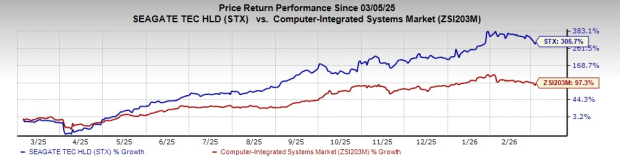
How Does Mozaic 4+ Equip Seagate to Meet Surging AI Data Needs?
AeroVironment (AVAV) Q3 Results Approaching: Experts Share Perspectives on Crucial Performance Metrics
Investors Are Actively Seeking Information on ServiceNow, Inc. (NOW): Here's What Matters Most
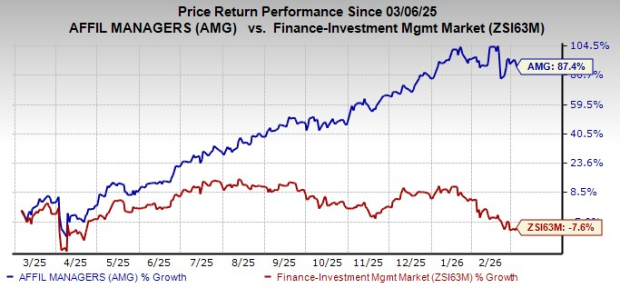
AMG Shifts Focus to Alternative Strategies: What Impact Does This Have on Growth?
Trending news
MoreCrypto prices
More





