
Britain is counting on the Gulf region to drive its economic expansion. Now, however, the area is engulfed in crisis.

Gulf Tensions Threaten UK’s Economic Ties
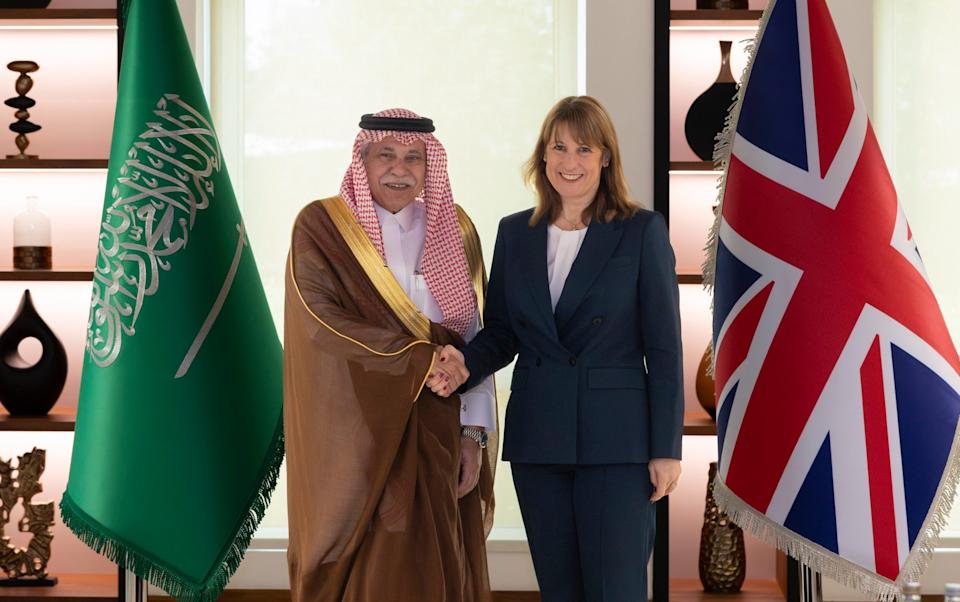
Last October, Rachel Reeves traveled to Riyadh, not for sightseeing, but to secure financial agreements. Her visit resulted in a £6.4 billion set of business commitments between Saudi Arabia and the UK, with much of the backing coming from British taxpayers. However, the larger goal—a comprehensive trade agreement with Saudi Arabia and the other Gulf Cooperation Council (GCC) nations—remained out of reach.
For years, UK officials have sought a trade pact with the six GCC countries, a deal that could potentially add £1.6 billion annually to the British economy. With the US adopting a more unpredictable stance and China presenting security concerns, the UK is eager to strengthen relationships with stable, wealthy partners.
The Gulf region has long been seen as an ideal partner for Britain, thanks to its close ties, growing economies, and proximity. Yet, recent turmoil has cast doubt on these prospects.
Regional Instability Escalates
Following joint US and Israeli airstrikes on Iran, Tehran retaliated by launching missiles and drones across the Gulf, drawing Saudi Arabia, Qatar, Bahrain, Kuwait, and the UAE into the conflict. This escalation has jeopardized the UK’s ambitions for economic growth through Gulf partnerships.
Jason Tuvey from Capital Economics noted, “Iran’s attacks have shattered the sense of security in the region, disrupting non-oil sectors in the short term and potentially threatening investment and diversification if instability continues.”
Gulf Investments in the UK
Trade between Britain and the GCC reached nearly £60 billion in the year leading up to last September, with Oman, Bahrain, and the UAE showing particularly strong growth. Gulf nations and their royal families have long viewed the UK as a safe haven for their oil wealth.
Qatari investments include iconic assets like The Shard, Harrods, and Canary Wharf, with their sovereign wealth fund ranking among London’s largest landowners. Together, Saudi and Qatari interests control a third of Heathrow Airport. Gulf investors are also prominent in British luxury hotels, office buildings, ports, utilities, and football clubs such as Manchester City and Newcastle United.
According to Global SWF, the combined assets managed by Gulf central banks, pension funds, and sovereign wealth funds total nearly $7.3 trillion worldwide.
The Shifting Landscape of Gulf-UK Relations
With the region in turmoil, Reeves faces the challenge of determining where Gulf sovereign wealth will flow next, especially if rising oil prices create a financial windfall. The Chancellor hopes that Britain’s longstanding connections with the Gulf, dating back to the colonial era, will help attract some of this capital.
Historically, Gulf investments in the UK were discreet, but as oil prices surged in the 2000s, their presence became more visible—owning major football clubs and high-profile properties. David Wearing, an academic at Sussex University, points out that while Britain has traditionally held more power in the relationship, Gulf states are increasingly seeking to balance the scales and maximize their influence.
Recently, the economic momentum has shifted, with Gulf economies like the UAE, Saudi Arabia, and Bahrain growing at rates above 4%, outpacing the UK. Many Britons have moved to Dubai, and engineers have been drawn to Saudi Arabia’s construction boom, while Gulf investments continue to pour into British real estate.
Impact of the Iran Conflict
The ongoing conflict with Iran could disrupt these trends, especially if it drags on longer than anticipated. In the immediate future, major changes are unlikely, as Gulf sovereign wealth funds typically take a long-term approach. Christopher Davidson, an expert on Gulf economies, likens them to oil tankers—slow to change direction.
Some funds may focus on domestic growth and attracting foreign investment, while others might look to move capital abroad if the region becomes less stable. Daniel Brett from Global SWF suggests that a surge in oil prices, driven by disruptions like the closure of the Strait of Hormuz, could lead to a significant increase in Gulf investments overseas, particularly in liquid assets such as bonds.
“With oil prices high, countries like Kuwait and Qatar will have substantial liquidity to invest abroad, potentially channeling more funds into Western or Asian markets,” Brett explains. This could benefit the UK, but Reeves will need to ensure Britain remains an attractive destination for these investments.
Competition from the US
However, the US may have the upper hand. Donald Trump has reportedly secured commitments for $1.4 trillion in new investment from the UAE, $1.2 trillion from Qatar, and at least $600 billion from Saudi Arabia. Robert Mogielnicki from the Arab Gulf States Institute notes that Gulf sovereign wealth funds are expected to play a significant role in fulfilling these investment promises, particularly in sectors like artificial intelligence and digital infrastructure.
Stephan Roll from the German Institute for International and Security Affairs adds that these investments could enhance Gulf influence in Washington, giving them greater leverage over US policy.
While Reeves will be eager to attract Gulf capital to the UK, increased investment could also bring greater Saudi and Emirati influence in British politics and beyond.
Uncertain Future
The consequences of the Iran conflict are unfolding rapidly and unpredictably. For Britain, a new wave of Gulf investment could have far-reaching effects, reshaping economic and political relationships for years to come.
Disclaimer: The content of this article solely reflects the author's opinion and does not represent the platform in any capacity. This article is not intended to serve as a reference for making investment decisions.
You may also like
Ether traders see 'larger bounce' after ETH price taps $2.2K
Voya's Earnings: The Bottom-Line Miss That Broke the Expectation Gap
Analysis-Down but not out: Emerging markets could endure Middle East shocks, investors say
Trending news
MoreCrypto prices
More





