Bitcoin briefly soared to $74,000, igniting hope among traders as geopolitical tensions drove demand. However, this optimism reversed as markets responded to fresh setbacks, turning the recent rally into another opportunity for short sellers. The swift change in sentiment underscored Bitcoin’s high sensitivity to global developments beyond traditional finance.
AI Industry Faces Strict US Export Controls
Bitcoin’s value has increasingly mirrored the fortunes of top artificial intelligence (AI) companies, behaving more like a tech stock than ever before. As a result, developments at major semiconductor producers such as NVIDIA and AMD—especially regulatory restrictions or earnings slumps—often ripple quickly into the cryptocurrency market. Recent delays in investment and underwhelming profit reports from these firms have triggered abrupt declines for both equities and digital assets.
Washington Tightens Grip on AI Chip Exports
The United States has drafted new rules mandating export licenses for AI chips being shipped globally. This regulatory overhaul would require companies like NVIDIA and AMD to secure U.S. government authorization for each international shipment of advanced chips. The comprehensive licensing regime is primed to complicate—even threaten—global sales for these American tech giants, introducing potential barriers with far-reaching commercial consequences.
Under the proposal, exporters of high-performance chips such as NVIDIA’s H100 and H200 models must apply for specific approval from the U.S. Department of Commerce before fulfilling overseas orders. Unlike previous processes that allowed for routine, automatic transactions, each shipment is now to be examined on a case-by-case basis. Industry insiders warn that this shift is likely to disrupt major data center projects, particularly across the Middle East and Southeast Asia. A rejected license could cancel multi-billion-dollar contracts and put pressure on supply chains and partner nations alike. Notably, NVIDIA already reported a multi-billion-dollar write-down when earlier restrictions targeted China—now, similar losses loom as the risk spreads globally.
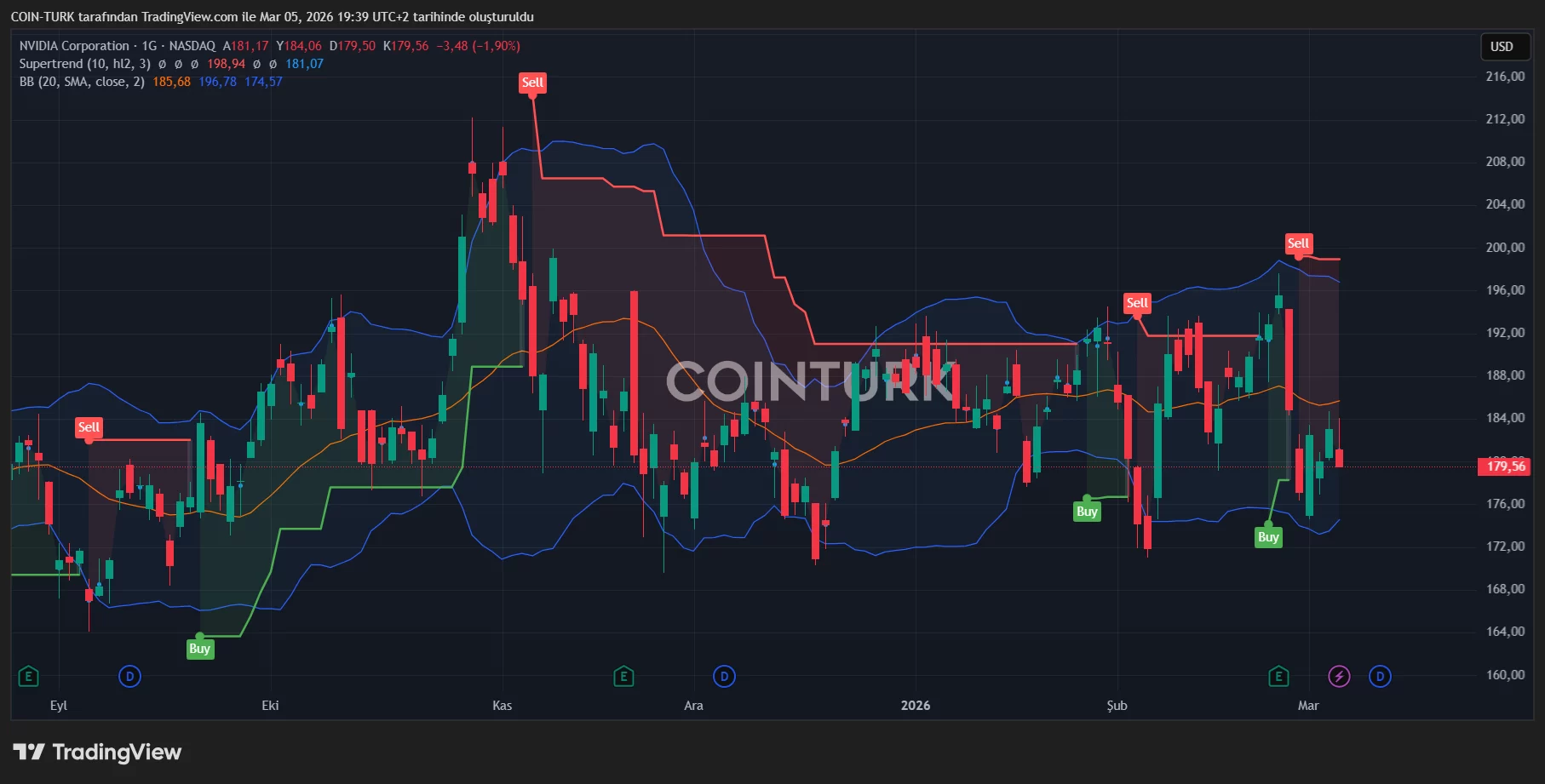
News of the prospective regulations immediately rattled tech markets. NVIDIA shares slid by nearly 2 percent following the announcement, reflecting mounting investor worries over potential revenue hits and uncertainty about overseas demand. Major stakeholders are closely monitoring further government communications and possible amendments to the proposal as international backlash grows.
The volatility spilled into the cryptocurrency sphere, with Bitcoin quickly falling below the $71,000 threshold in the wake of the news. This swift reaction highlights the growing linkage between digital asset prices and the fortunes of leading AI hardware providers—a dynamic that’s evolving as both industries mature and intertwine their economic trajectories.
Should the licensing framework be implemented as outlined, experts anticipate increased compliance costs, lengthier approval processes, and reduced flexibility for cutting-edge chip manufacturers. The global AI race, already intense, may slow as supply constraints ripple through key innovation hubs and limit the expansion of cloud computing and AI-driven platforms in emerging markets.
Moving forward, both tech giants and cryptocurrency holders will need to watch Washington’s regulatory posture closely. Shifts in policy or enforcement could quickly trigger price swings, especially given the rising correlation between AI industry health and Bitcoin’s valuation. The ongoing uncertainty serves as a cautionary reminder for markets that remain vulnerable to external shocks and policy risks.







