
Mortgage rates climb to 6% as Iran conflict unsettles bond market investors

US Mortgage Rates Edge Back Above 6%
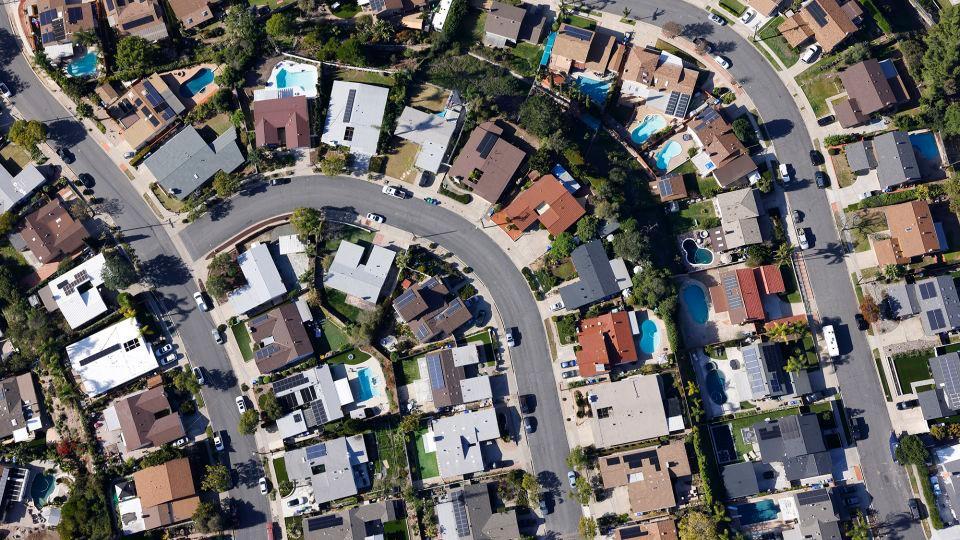
Single-family residences in San Diego's Lake Murray neighborhood, as seen from above on January 31, 2026. (Photo credit: K.C. Alfred/The San Diego Union-Tribune/Getty Images)
Recent Fluctuations in Mortgage Rates
Mortgage rates in the United States have once again surpassed the 6% mark, ending a brief period below this threshold. According to Freddie Mac, the average 30-year fixed-rate mortgage reached 6% for the week ending March 5, following market volatility triggered by conflict involving Iran.
Impact of Global Events on Bond Yields
After military action by President Donald Trump and Israel in Iran, yields on the 10-year Treasury note—which heavily influence mortgage rates—have risen. Typically, investors flock to US government bonds during times of uncertainty, driving yields down. However, this time, yields have moved higher despite the turmoil.
Recent Dip and Its Significance
Just last week, mortgage rates briefly dropped to 5.98%, marking the first time since 2022 that rates fell below 6%. Many economists consider this a crucial psychological milestone that could help thaw the stagnant US housing market.
Potential Risks Ahead
Although the recent uptick in mortgage rates has been modest, ongoing instability in the Middle East could prompt a broader sell-off in bonds. If this is combined with persistent inflation driven by higher oil prices, the downward trend in mortgage rates could be disrupted.
Comparing to Previous Highs
Despite the recent increase, mortgage rates remain well below the levels seen at the beginning of 2025, when they briefly exceeded 7%.
Homeowner Behavior and Market Dynamics
Many homeowners who secured very low interest rates during the early pandemic years have been hesitant to sell, as doing so would mean taking on much higher borrowing costs. This has limited the supply of homes on the market and kept prices elevated. Some analysts have suggested that rates starting with a "5" could help ease this so-called lock-in effect and encourage more owners to list their properties.
“Mortgage rates dipped below 6% for a short time before rising again due to an oil shock. Nevertheless, most of the affordability improvements from the past year remain. Compared to a year ago, buyers have about $30,000 more in purchasing power, as rates have declined from the upper to the lower 6% range,” explained Kara Ng, senior economist at Zillow. “Those who missed the brief window to buy or refinance can still benefit from lower rates.”
Housing Market Remains Cool Despite Lower Rates
Even with slightly reduced mortgage rates, the housing market has yet to show signs of renewed activity. The National Association of Realtors reported an 8.4% drop in home sales in January, with declines seen across all regions of the country.
Home Prices Continue to Rise
Despite slower sales, home prices have continued their upward trend. The median price for existing homes increased for the 31st month in a row in January, according to NAR.
Disclaimer: The content of this article solely reflects the author's opinion and does not represent the platform in any capacity. This article is not intended to serve as a reference for making investment decisions.
You may also like
CooperCompanies Announces First Quarter 2026 Results

YY Group Projects HKD 100 Million Revenue Milestone in Hong Kong for 2026

Marvell expects first-quarter revenue to surpass projections
Ultralife Corporation to Report Fourth Quarter Results on March 10, 2026

Trending news
MoreCrypto prices
More





