
US Considers Mandating Permits for International Sales of Nvidia and AMD AI Chips

US Considers Expanding Oversight of Global AI Chip Exports
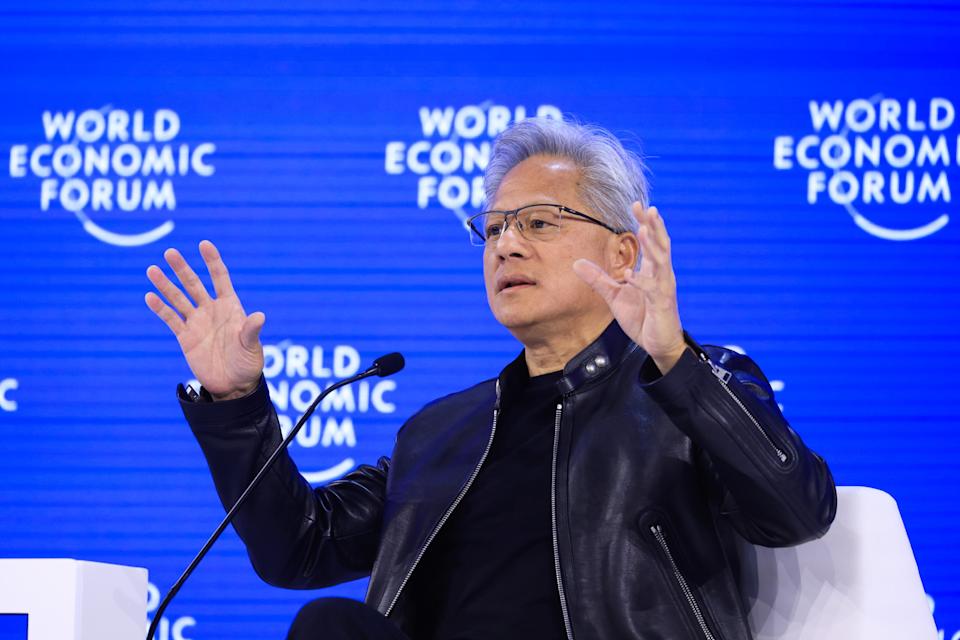
Photographer: Krisztian Bocsi/Bloomberg
Nvidia has long been recognized as a dominant force in artificial intelligence. Now, the Trump administration is weighing a move to assert significant regulatory authority over the global AI sector, potentially mirroring Nvidia’s influential role.
According to sources familiar with the matter, US officials have drafted new rules that would require American approval for AI chip exports to any country. This would give Washington sweeping authority to determine which nations can develop facilities for training and operating advanced AI systems, and under what terms.
Top Stories from Bloomberg
- NYC Hudson Yards-Area Apartment Tower Sells for $129 Million
- Adding Up What Urban Highways Really Cost
- Supreme Court Preserves NY GOP-Held Congressional District
- NYC Congestion Pricing Program Can Continue, US Judge Rules
- How to Fireproof a Neighborhood
The proposed measures would require companies such as Nvidia and AMD to obtain US authorization for nearly all overseas shipments of AI accelerators, extending current restrictions—which affect about 40 countries—to a global scale. These chips are highly sought after in the tech industry, with firms like OpenAI and Alphabet purchasing them in large quantities to power data centers for services such as ChatGPT and Gemini.
Following the news, Nvidia and AMD shares dropped sharply on Thursday, with Nvidia falling by up to 1.9% and AMD by 2.3%.
The Trump administration has repeatedly expressed its intention for the world to rely on American AI technology. The draft regulations are not designed to ban Nvidia exports outright, but rather to position the US government as the primary gatekeeper for AI hardware. Both companies and, in some cases, their respective governments would need approval from the US Commerce Department to acquire these critical chips. The way licenses are granted would play a key role in determining which countries can develop essential digital infrastructure—technology seen as vital for economic advancement, business competitiveness, and national security.
The approval process would vary based on the computing resources requested. For example, orders of up to 1,000 of Nvidia’s latest GB300 GPUs would undergo a relatively straightforward review, with some exemptions possible. Larger-scale projects would require pre-approval and could be subject to conditions such as revealing business models or permitting US inspections, depending on the specifics of the data center involved.
Stricter Oversight for Large-Scale Deployments
For exceptionally large orders—over 200,000 GB300 GPUs for a single company in one country—the host nation’s government would need to participate in the approval process. The US would only authorize such exports to allied countries that commit to strict security measures and make significant investments in American AI, though the draft does not specify exact investment ratios. For context, UK-based NScale plans to supply Microsoft with 200,000 GB300 chips across four sites in the US and Europe, calling it one of the largest AI infrastructure deals ever.
The Commerce Department’s Bureau of Industry and Security, along with Nvidia and AMD, declined to comment on the draft regulations.
It’s important to note that the framework is still under review and could change significantly as various federal agencies provide feedback. There is also a possibility that the proposal could be set aside in favor of other priorities.
Shifting US Strategy on AI Exports
This initiative represents the Trump administration’s most significant move toward a comprehensive global chip export policy since abandoning President Biden’s approach in May. Trump officials have criticized the previous administration’s rules as overly complex and have consistently advocated for promoting American—rather than Chinese—AI technology, especially in developing regions.
The ultimate impact of Trump’s strategy will depend on how the new licensing requirements are implemented. If approvals are granted quickly and with minimal restrictions, global AI infrastructure development could proceed with added bureaucracy. However, delays or protracted negotiations could disrupt project timelines. For example, it took months after the US announced a chip export agreement with the UAE before licenses were issued, contingent on the Gulf nation matching US investments dollar for dollar.
There are still questions about how much investment the US would expect from countries like France or India, both of which aim to build massive data centers. Another consideration is how chip export controls might be used in broader diplomatic negotiations, such as in response to digital services taxes imposed by the European Union.
Additionally, the handling of restrictions on model weights—the numerical parameters that drive AI decision-making—remains uncertain. While Biden’s policy imposed broad limits on where these could be hosted, the Trump administration’s draft would address this through individual licensing.
Global Implications and Reactions
Many foreign governments are uneasy about placing their technological futures in the hands of US regulators, but when it comes to high-performance chips, their options are limited. They can either source from American leaders like Nvidia or turn to Chinese companies such as Huawei, which produces less advanced chips in smaller quantities but has global ambitions. The US has warned that using Huawei’s AI accelerators could violate American trade rules.
Further Reading on AI Sovereignty
- Europe Fights for AI Independence to Avoid Becoming a Tech ‘Colony’
- Korea Kicks Off AI Squid Game in Bid to Compete With US, China
- India Has Its Own Unique Recipe for ‘AI Sovereignty’
- US Approval for Advanced Chips Boosts UAE, Saudi AI Ambitions
China’s ambitions in AI are a major factor shaping US policy. The US has sought to limit China’s AI chip production by restricting exports of semiconductor manufacturing equipment, and under Trump, has allowed Nvidia to compete in China against Huawei. The new global rules would not alter the current approach to China, as officials consider how many Nvidia chips should be permitted to slow Huawei’s progress without giving China excessive computing power.
However, the expanded framework could have significant ripple effects for China’s AI sector. One immediate result would be increased US oversight of global chip distribution, which some officials argue is necessary to prevent smuggling. Last year, the Trump administration considered export controls on Malaysia and Thailand to curb chip diversion to China, but ultimately opted for a broader strategy.
The US could also use export licenses to limit Chinese companies’ access to AI chips abroad, a move long supported by national security advocates. In some cases, the Trump administration has already required that Nvidia shipments to the UAE not be used to provide computing services to Chinese AI firms. It remains to be seen whether similar conditions will be imposed in other regions, such as Southeast Asia, where companies like Alibaba rent Nvidia chips they cannot purchase directly.
Reporting assistance by Maggie Eastland.
(This article was updated to reflect share price reactions.)
Most Popular from Bloomberg Businessweek
- How Data Centers Became a Casualty of War
- The Caribbean Nation Unexpectedly Going Along With Trump’s Drug-Boat Narrative
- How Covid Quietly Rewires the Brain
- China Spent Big on an African Media Empire, But No One’s Watching
- Elon Musk Is Backing ‘JD Vance 2.0.’ Some Republicans Aren’t Sure That’s a Good Thing
©2026 Bloomberg L.P.
Disclaimer: The content of this article solely reflects the author's opinion and does not represent the platform in any capacity. This article is not intended to serve as a reference for making investment decisions.
You may also like
BlackBerry's Profitability Disconnect: A Behavioral Finance Analysis
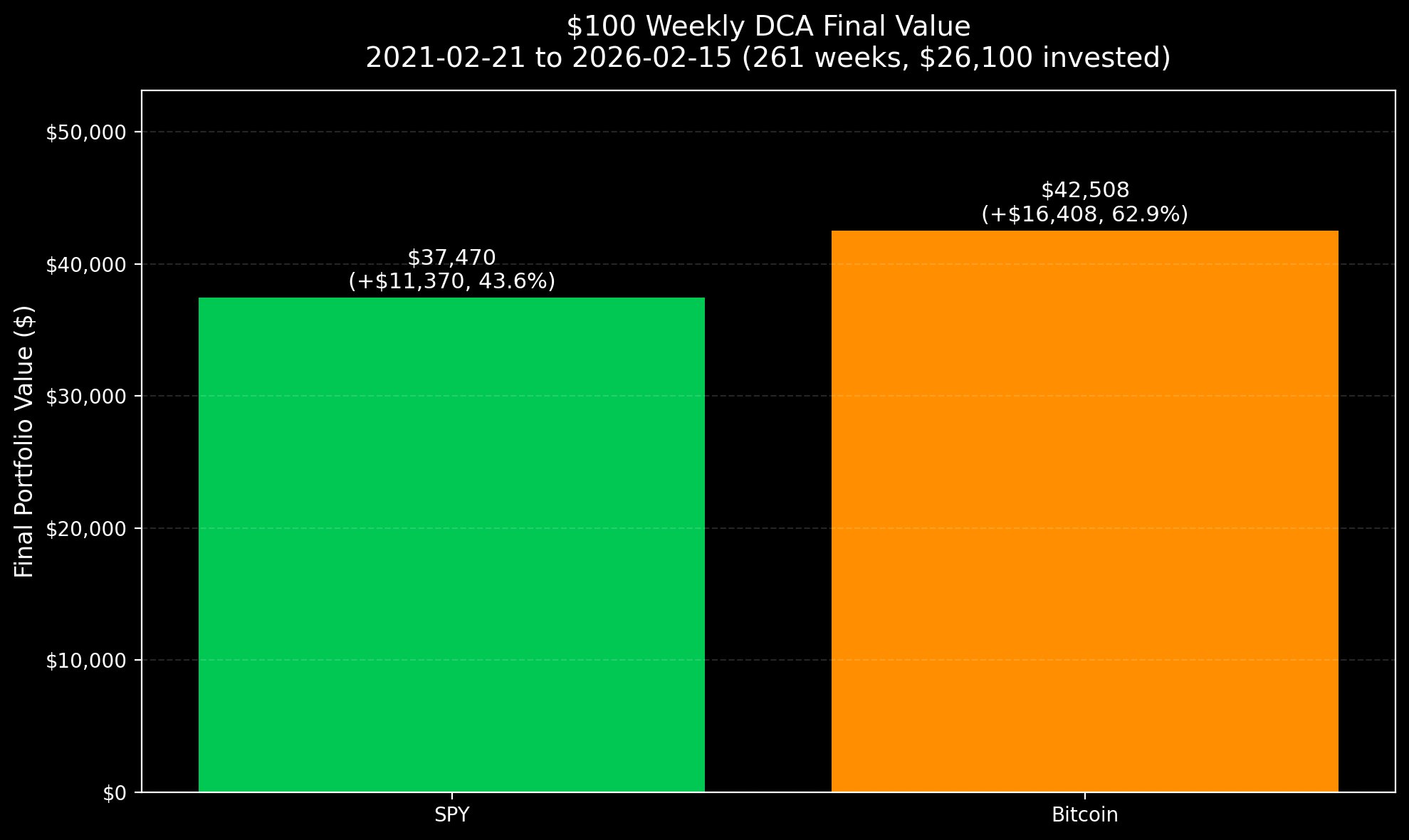
Dollar-cost averaging Bitcoin is safest strategy for long-term gains: Data
Walmart Stock Is Taking A Dive: What's Happening?
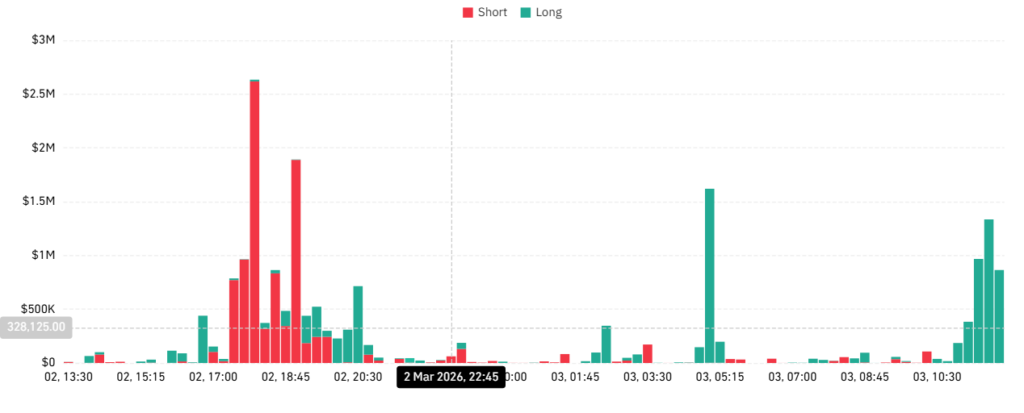
Solana Eyes $90.6 Trigger Point as $83 Support Holds and Liquidation Pressure Builds
Trending news
MoreCrypto prices
More





