
Middle East tensions set to trigger a surge in airline ticket prices

Rising Airfares Loom as Middle East Conflict Disrupts Aviation
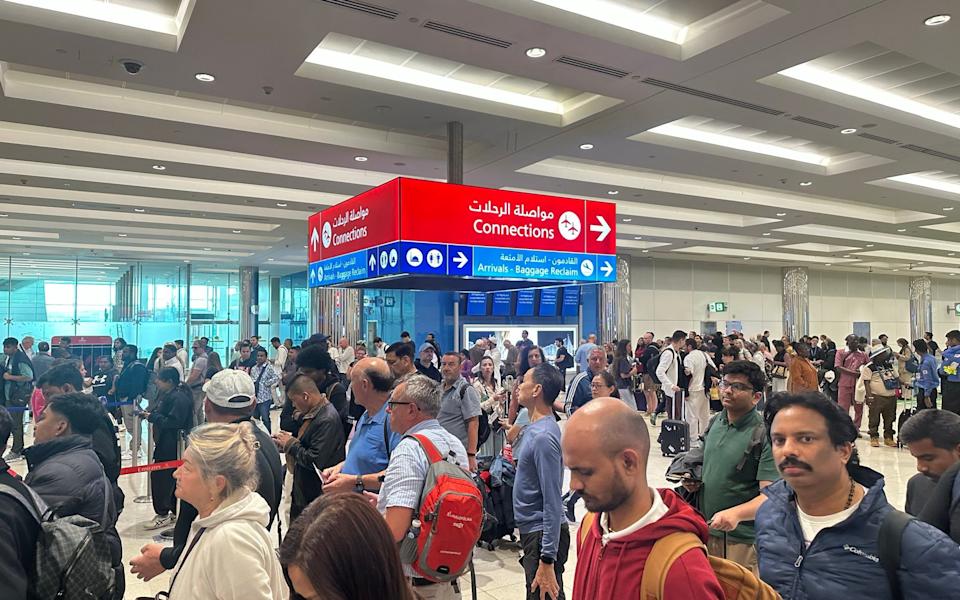
Airlines operating in the Middle East are being forced to reroute flights, sometimes adding over an hour to their journeys, as ongoing conflict renders certain airspaces unsafe.
Travelers are entering a period of increasing ticket prices, with the ongoing war in the Middle East driving up fuel costs and causing airport closures.
Jet fuel, which represents the largest expense for airlines, has reached its highest price point in four years following recent US military action against Iran.
While airlines often use hedging strategies to stabilize fuel costs, industry analysts warn that once these protections lapse, carriers may have no choice but to pass higher costs on to passengers.
Additional detours to avoid conflict zones are further inflating fuel consumption and operational expenses for airlines crossing the region.
Flights to destinations such as Australia have already seen fare increases of up to £400 for peak periods like Easter, as limited seat availability pushes prices up. Forecasts indicate that ticket prices could remain 30% to 40% higher throughout the summer months.
Expert Insights on Fare Increases
Aviation consultant John Strickland notes that existing fuel price hedges will eventually expire, and reduced flight capacity is likely to push fares higher on certain routes due to limited availability.
He predicts that ticket prices will rise, especially for routes to Asia and the Middle East, but warns that the effects could ripple across other markets as well.
Potential Long-Term Impacts
If the Strait of Hormuz—responsible for transporting 20% of the world's oil and gas—remains closed for an extended period, elevated energy prices could persist.
The conflict also threatens to disrupt operations at the Gulf’s three major hub airports for weeks or even months, leading to a prolonged shortage of long-haul flight capacity.
Airline Financial Performance and Fuel Strategies
Airline stocks have dropped since the onset of the conflict, reflecting concerns about escalating costs. Shares in International Airlines Group (IAG), which owns British Airways, fell by 2.2% on Thursday and have declined 17% since Monday.
IAG reports that it has hedged 80% of its fuel needs for March and 70% for the following quarter, but this coverage drops to under 60% during the busy summer season. Prolonged instability in the Middle East could therefore cause a significant spike in fuel expenses for British Airways.
Despite these challenges, IAG maintains that it faces no difficulties in securing fuel supplies. A spokesperson stated that the company remains confident in its fuel strategy and does not anticipate dramatic fare increases.
Low-Cost Carriers and Hedging Approaches
Budget airlines generally have robust fuel-hedging policies. Ryanair, for example, announced in January that it had secured 84% of its fuel at $77 per barrel for the current quarter and 80% at $67 per barrel for the upcoming fiscal year.
Jet2 has hedged 75% of its fuel requirements for the same period, while Tui has secured 78% of its needs for the upcoming summer.
However, Wizz Air recently disclosed that it expects a €50 million (£43 million) reduction in annual earnings due to the Iran crisis.
The Budapest-based airline, listed in London with major operations at Gatwick and Luton, revealed that only 55% of its fuel needs are hedged for the coming year. CEO József Váradi attributed additional financial impacts to flight disruptions in the Middle East and broader economic factors, including currency fluctuations.
Competitive Dynamics and Pricing Tactics
According to Mr. Strickland, Ryanair’s strong hedging position allows it to offer promotional fares, potentially undercutting competitors like Wizz Air.
He also suggests that if airlines decide to raise prices beyond the most directly affected markets, such increases may be implemented subtly. Modern revenue management systems enable carriers to adjust fares by manipulating seat availability and other variables, rather than announcing overt price hikes.
As Mr. Strickland explains, airlines today are unlikely to impose straightforward fare increases. Instead, they can limit seat numbers and let automated systems adjust prices accordingly.
Disclaimer: The content of this article solely reflects the author's opinion and does not represent the platform in any capacity. This article is not intended to serve as a reference for making investment decisions.
You may also like
Top Gap Ups and Downs on Thursday: TM, SCCO, BKNG and More
Nebius Shares Ride AI Factory Approval to 12.65% Surge Then Retreat as Volume Ranks 168th
Elevance Health Stock Drops 1.71% as Trading Volume Jumps 36.56% to 930M, Placing 147th in Market Activity
Trending news
MoreCrypto prices
More





