
Nvidia Likely Won’t Be Putting More Money Into OpenAI or Anthropic, According to CEO—Here’s the Reason

Nvidia Steps Back from Major AI Investments
During the Morgan Stanley Technology, Media, and Telecom conference in San Francisco, Jensen Huang revealed that Nvidia is unlikely to continue funding leading AI firms OpenAI and Anthropic.
The recent $30 billion investment in OpenAI, which was just completed, marks a significant reduction from the $100 billion deal announced last September. This is expected to be Nvidia's final contribution. Similarly, the $10 billion invested in Anthropic last November is likely the last.
Officially, the reason given is straightforward: both OpenAI and Anthropic are preparing for public offerings later this year, and such private investments typically conclude once IPO plans are underway.
Huang remarked to attendees, "This may be our last chance to invest in a company of this significance."
However, it's common for investors to fund companies right up until they go public, and the reduction in OpenAI's investment wasn't simply due to IPO procedures. Other factors were at play.
Nvidia now owns shares in two companies embroiled in fierce competition with each other—and facing challenges from Washington. After Anthropic refused to allow its Claude AI to be used for autonomous weapons or widespread surveillance, Trump directed federal agencies to stop utilizing Anthropic's technology. Shortly after, OpenAI announced a deal with the Pentagon, which Anthropic publicly criticized as dishonest.
Public opinion favored Anthropic. Within a day of these announcements, Claude surged to the top of Apple's U.S. App Store free app rankings, surpassing ChatGPT. Previously, at the end of January, Claude was outside the top 100. An Anthropic representative told Decrypt that signups hit record highs following the Pentagon news.
OpenAI Launches GPT-5.4 Days Just After Last Version as 'QuitGPT' Exodus Gains Steam
Meanwhile, the QuitGPT movement saw approximately 2.5 million users either cancel subscriptions or join the boycott against OpenAI as the situation unfolded.
Nvidia's ties with Anthropic were already tense. Two months after investing $10 billion, Dario Amodei spoke at Davos, likening U.S. chipmakers selling advanced processors to approved Chinese buyers to the act of supplying nuclear weapons to North Korea. He didn't mention Nvidia directly, but the implication was clear.
There's also an inherent complexity in Nvidia’s investment strategy. Nvidia funds OpenAI, which then spends that money on Nvidia’s own chips. This circular relationship has drawn comparisons to economic bubbles.
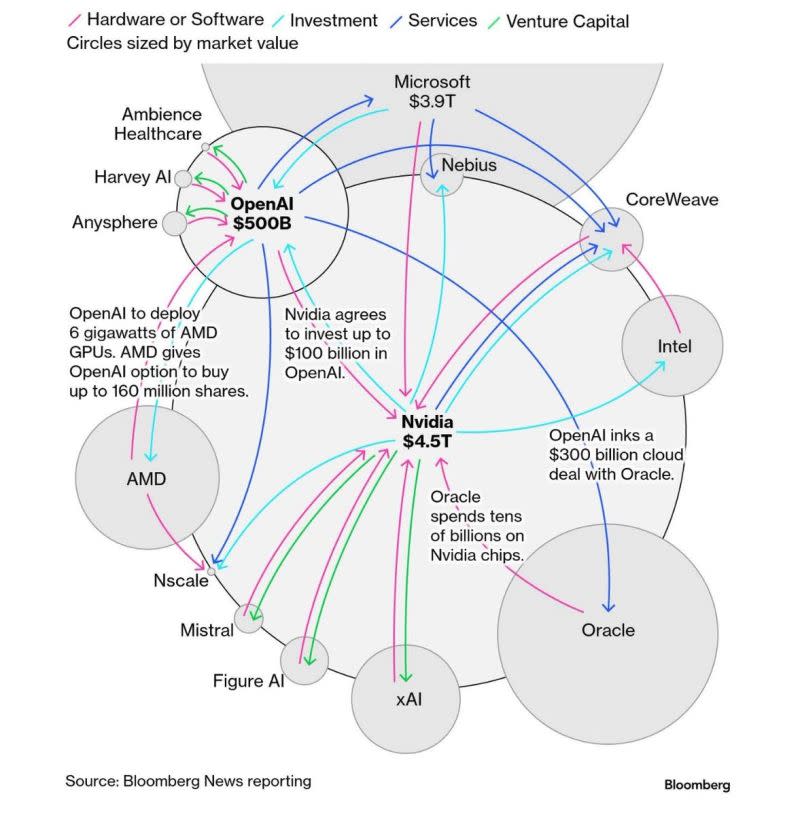
Ultimately, Nvidia is moving away from favoring specific AI companies. The company supplies GPUs to OpenAI, Anthropic, xAI, Google, and other competitors in the AI race. As a supplier, Nvidia cannot afford to take sides.
Balancing Risks Amid Rivalries
Holding equity in both sides of a Pentagon dispute—where one company faces growing public backlash and the other is labeled a national security supply-chain risk—creates a precarious situation that can unsettle customers.
The IPO narrative offers Nvidia a convenient exit, and Huang has chosen to take it.
Disclaimer: The content of this article solely reflects the author's opinion and does not represent the platform in any capacity. This article is not intended to serve as a reference for making investment decisions.
You may also like
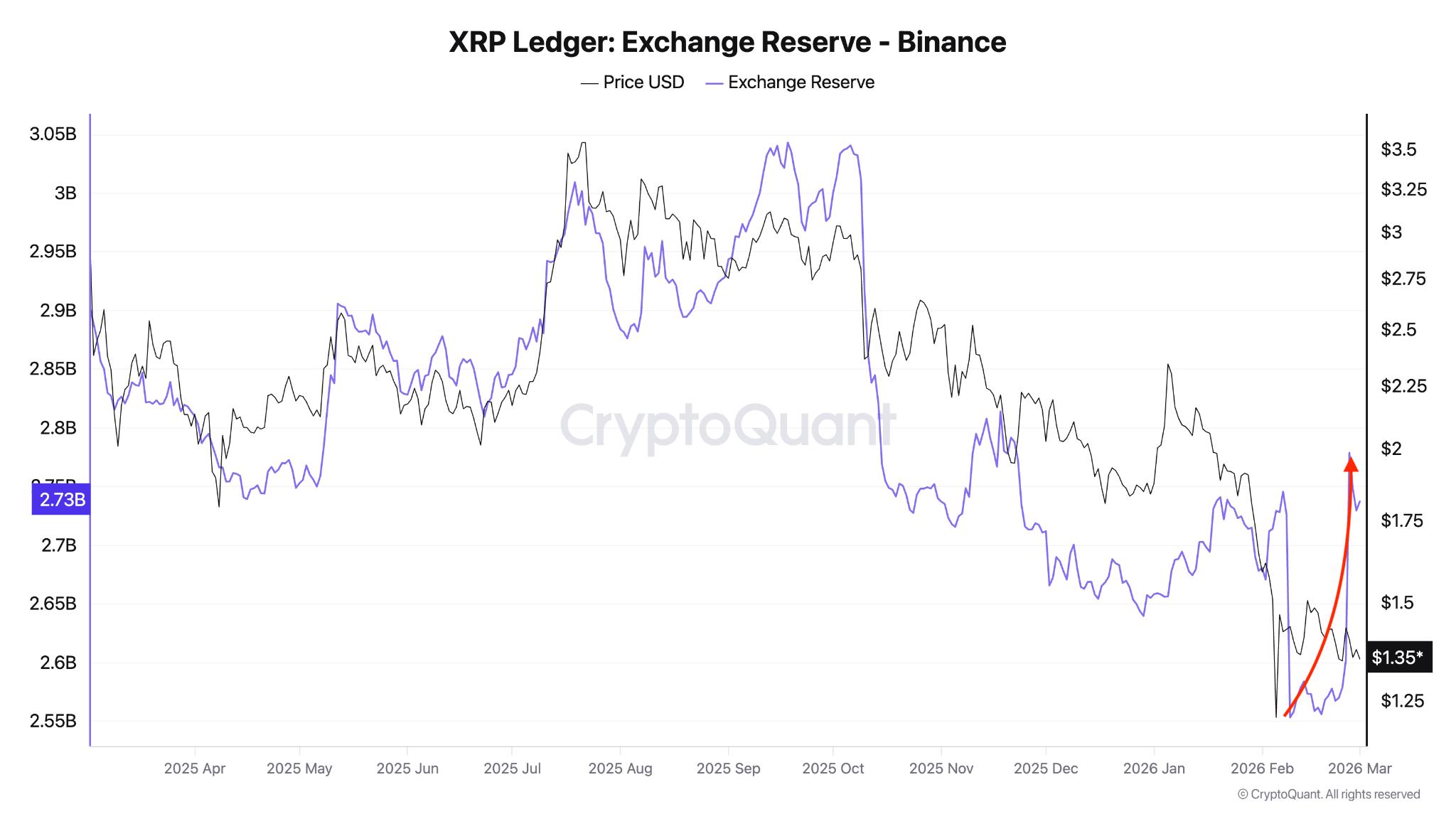
XRP faces $650M sell risk as charts hint at prices below $1
Sunrun’s Declining Subscriber Value: An Overlooked Trigger in the Shift Toward Positive Cash Flow?
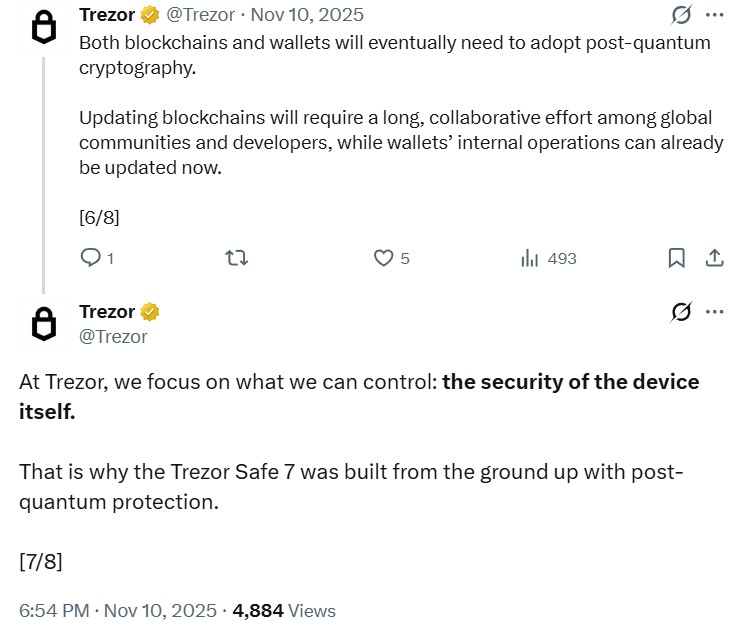
Are quantum-proof Bitcoin wallets insurance or a fear tax?
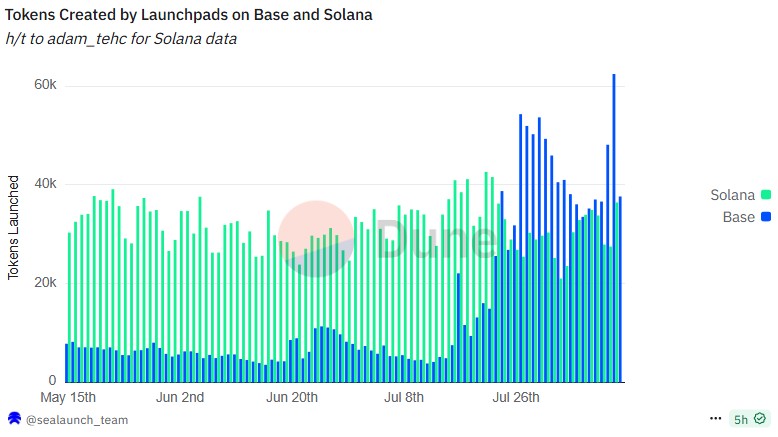
How SocialFi, memecoins and AI pushed Base to the top of the L2 ladder
Trending news
MoreCrypto prices
More





