
Corn's Surge: Evaluating the Supply and Demand Dynamics Driving the Price Increase

Corn Futures Surge Amid Multiple Market Triggers
This week saw a notable jump in corn futures, with prices climbing between 6 and 8¼ cents per bushel. The spot cash price advanced by $4.10 1/2, up 7 1/4 cents. This uptick was fueled by three significant developments that converged during a single trading session.
The first and most immediate driver was a sharp rally in energy markets. Crude oil prices soared by $4.78 per barrel as tensions escalated between the U.S. and Iran. This energy market surge provided a boost for corn, given the close relationship between biofuel demand and energy prices. The second catalyst was a surprisingly strong export sales report from the USDA, which revealed that 83.8 million bushels of corn had been sold—well above analyst expectations of 23.6 to 47.2 million bushels. This robust demand for old-crop corn helped counterbalance concerns about abundant U.S. supplies.
Together, these factors created a favorable technical environment. The surge in oil prices offered broad market support, while the impressive export sales provided a clear, positive signal for corn. The result was a synchronized rally across the futures market, with gains seen in both energy-linked and cash corn prices.
U.S. Corn: Record Harvests Meet Strong Demand
The recent price rally is unfolding against the backdrop of an exceptionally large U.S. corn harvest. The 2025 crop set a new record, pushing domestic ending stocks to their highest point in seven years. Official projections indicate that carryout could exceed 2 billion bushels, a figure supported by market trends. Early in 2026, national average basis levels were among the weakest in a decade, highlighting the abundance of grain across the country following the bumper harvest.
This plentiful supply creates a tension with the demand side of the equation. Despite the record crop, total corn sales for the 2025-26 marketing year are currently 31% ahead of last year’s pace. The latest USDA report showed 83.8 million bushels sold, far surpassing expectations. This strong export performance could lead the U.S. to ship more than 3 billion bushels of corn abroad this year—a milestone never before reached.
In essence, while the U.S. is awash in grain, global supplies are much tighter. U.S. stocks are at a seven-year high, but worldwide inventories are at their lowest in 11 years. This global shortfall is driving intense demand for American corn. The domestic surplus is being rapidly absorbed by international buyers, meaning that even large U.S. supplies may not be enough to hold prices down if export demand remains robust.
Global Tightness and Geopolitical Uncertainty
The current rally is being propelled by a global shortage that leaves the market highly sensitive to outside shocks. While the U.S. holds record reserves, global corn stocks are at an 11-year low. Outside of the U.S. and China—which together account for over 80% of the world’s reserves—the ratio of ending stocks to demand is the lowest since 2001. This means that most of the world is facing extremely tight supplies, intensifying the need for U.S. exports.
Such global vulnerability magnifies the impact of geopolitical events. Recent unrest in the Middle East has driven oil prices higher, with some analysts, like Barclays, suggesting that a significant supply disruption could push Brent crude to around $80 per barrel. Higher energy prices can support corn through increased biofuel demand, as ethanol becomes more competitive. Reports have noted that while rising oil prices have pressured equities, they have also boosted prospects for biofuel demand.
This situation is a textbook example of a fragile global balance facing unpredictable external risks. With global corn supplies already stretched, any further tightening in energy markets adds to the pressure on grain trade. That’s why a spike in oil prices can provide a strong tailwind for corn, as the market anticipates that disruptions in one sector could spill over and intensify shortages elsewhere.
Key Drivers and Potential Risks Ahead
The ongoing rally in corn prices is shaped by the interplay between tight global supplies and unpredictable geopolitical developments. For the upward momentum to persist, these external factors must continue to outweigh the downward pressure from ample U.S. stocks. The market’s direction will depend on three main elements.
- Export Demand: Strong international buying remains the main engine for corn prices. The latest figures show 83.8 million bushels sold last week, far above forecasts. Ongoing robust sales, especially from major buyers like Mexico (which purchased 18.7 million bushels), are crucial. Any slowdown in exports could undermine the narrative that global demand can absorb the U.S. surplus, making prices vulnerable to a pullback.
- Geopolitical Tensions and Oil Prices: The outcome of U.S.-Iran tensions and the resulting impact on crude oil prices is a major variable. A sustained rise in oil prices could further support corn through the biofuel channel, with estimates suggesting Brent crude could reach $80 per barrel if disruptions persist. This would reinforce the global supply squeeze and likely boost ethanol demand. Conversely, easing tensions and falling oil prices would remove this source of support.
- Domestic Supply Overhang: The biggest risk is that the rally is merely a technical rebound in the face of abundant U.S. stocks, with ending stocks projected above 2 billion bushels. Should export demand falter or oil prices stabilize, the weight of domestic supplies could push prices back down, making the current rally short-lived.
In summary, the corn market faces asymmetric risks: upside potential is driven by tight global supplies and geopolitical uncertainty, while downside risk is anchored by record U.S. production. Market participants should closely monitor export sales, energy prices, and any signs that the domestic surplus is beginning to limit price gains.
Disclaimer: The content of this article solely reflects the author's opinion and does not represent the platform in any capacity. This article is not intended to serve as a reference for making investment decisions.
You may also like
Simon Property's $5B Credit Refinance Can't Stop 1.02% Decline Despite $300M Volume Surge to 465th Rank
Corteva Shares Tumble 1.81% as Earnings Misses and Execution Risks Sink 479th Ranked Stock
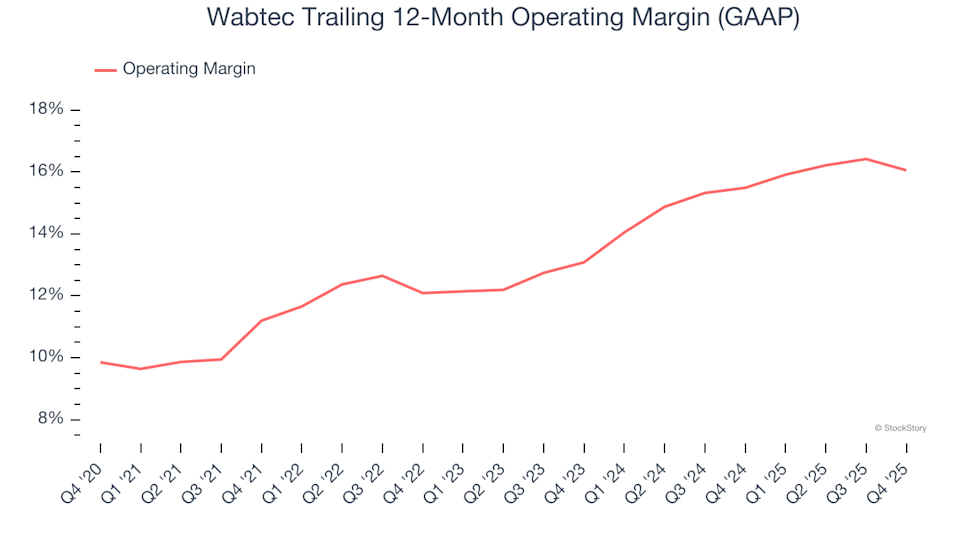
Wabtec (WAB): Should You Buy, Sell, or Hold After Q4 Results?
Trending news
MoreCrypto prices
More





