
AEP's 1.11% Slide Amid 31.97% Rally and 222nd-Ranked $680M Volume

Market Snapshot
American Electric Power (AEP) shares closed at $132.04 on March 5, 2026, marking a 1.11% decline from the previous day’s close. The stock traded with a volume of $680 million, ranking 222nd in trading activity across the market. Despite the decline, AEPAEP-1.11% has delivered a robust 31.97% return over the past 12 months, outperforming the S&P 500’s 16.91% gain. The stock’s 52-week range of $97.46 to $134.60 indicates a relatively stable performance trajectory, though its recent dip suggests short-term volatility amid broader market pressures.
Key Drivers
The recent 1.11% drop in AEP’s stock price follows a period of strong institutional investor activity and solid earnings performance, highlighting a disconnect between fundamentals and market sentiment. Victory Capital Management Inc., a major institutional investor, significantly increased its stake in AEP during the third quarter of 2025, acquiring 2.76 million additional shares—a 105.6% surge—to hold 1.01% of the company’s shares, valued at approximately $595 million. This move underscores confidence in AEP’s long-term prospects, particularly as the utility sector gains traction amid rising demand for energy infrastructure to support AI-driven data centers.
AEP’s financial performance further supports a bullish outlook. The company reported Q4 2025 earnings of $1.19 per share, exceeding the $1.15 consensus estimate and reflecting a 13.2% year-over-year revenue increase to $5.32 billion. Management also raised its FY2026 guidance to $6.15–$6.45 per share, well above the $5.87 analyst consensus. These results, coupled with a 2.9% dividend yield (annualized $3.80 per share), position AEP as a resilient play in a sector poised for capital-intensive growth. Analysts maintain a “Moderate Buy” rating, with a mean price target of $132.88, though recent market conditions appear to have dampened immediate investor enthusiasm.
Institutional confidence in AEP extended beyond Victory Capital. Elo Mutual Pension Insurance Co. increased its holdings by 77.2% in the third quarter, while National Pension Service added 1.3% to its position, acquiring $215.9 million worth of shares. These moves suggest a broader recognition of AEP’s strategic value in a market increasingly focused on energy security and decarbonization. The company’s diversified generation mix—spanning fossil fuels, renewables, and nuclear—positions it to benefit from both regulatory tailwinds and the growing need for reliable power infrastructure.
However, AEP’s recent underperformance may reflect sector-wide challenges. The utility sector, while generally stable, faces headwinds from rising interest rates and regulatory uncertainties. Additionally, AEP’s high debt-to-equity ratio (1.37) and levered free cash flow deficit of $5.14 billion (TTM) raise concerns about its ability to sustain aggressive capital expenditures without diluting returns. While its P/E ratio of 19.89 and PEG ratio of 3.14 suggest the stock is not overvalued, investors may be pricing in near-term risks, such as slower-than-expected demand growth or regulatory delays in infrastructure projects.
Analyst activity also points to a nuanced outlook. UBS upgraded AEP from “Sell” to “Neutral” in February 2026, while Argus and Mizuho raised their price targets to $140 and $130, respectively. These adjustments reflect optimism about AEP’s ability to leverage its extensive transmission network and renewable energy investments. Nevertheless, the stock’s recent decline indicates that market participants remain cautious, particularly in a broader equity market marked by heightened volatility and sector rotation.
In conclusion, AEP’s fundamentals remain strong, supported by robust earnings, institutional backing, and a compelling dividend yield. The recent price drop may present an entry point for long-term investors, though near-term risks—including interest rate sensitivity and regulatory dynamics—could weigh on momentum. As the energy transition accelerates, AEP’s strategic investments in AI-ready infrastructure and renewable energy could drive sustained growth, but investors will need to monitor macroeconomic and sector-specific developments closely.
Disclaimer: The content of this article solely reflects the author's opinion and does not represent the platform in any capacity. This article is not intended to serve as a reference for making investment decisions.
You may also like
WEAVs Earnings Show Slimmer Losses, But Profitability Still Out of Reach
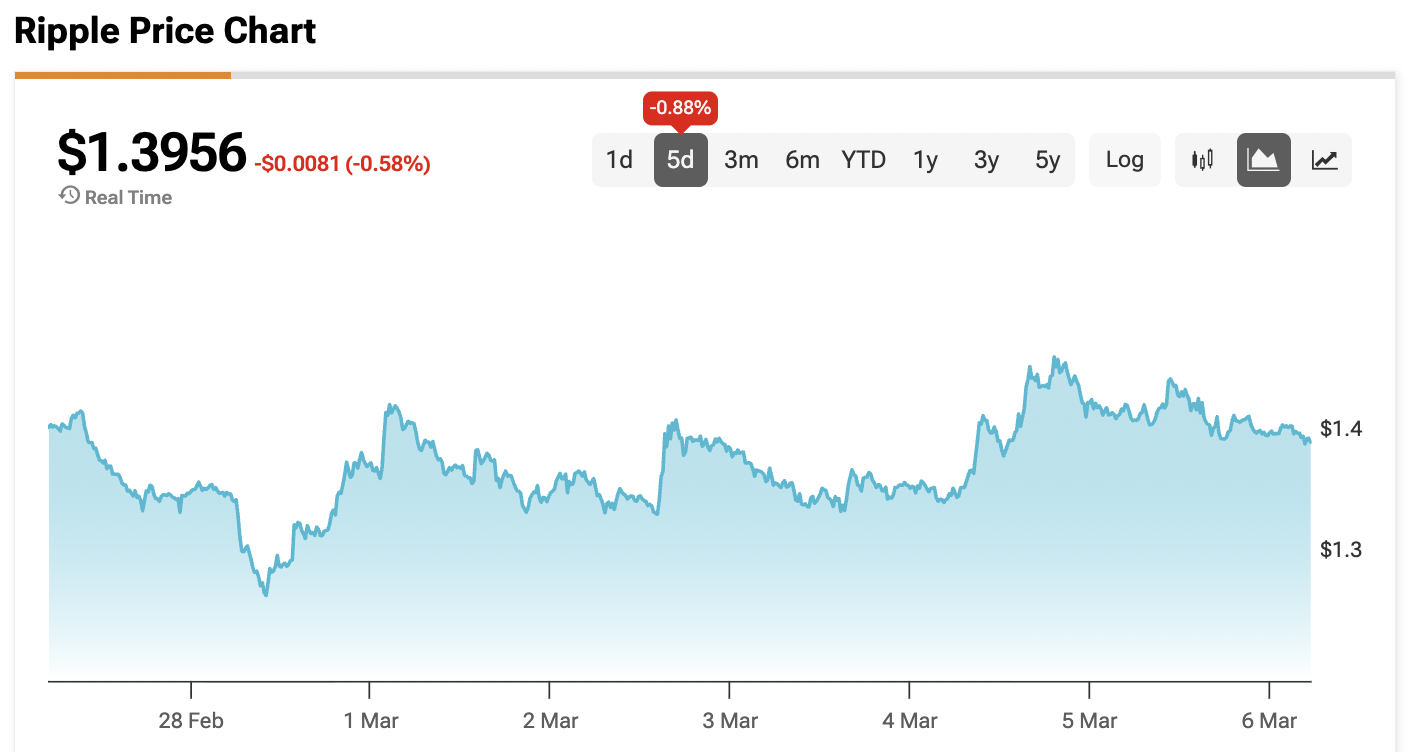
XRP Price Keeps Getting Shot Down as $1.45 Becomes ‘No Man’s Land’
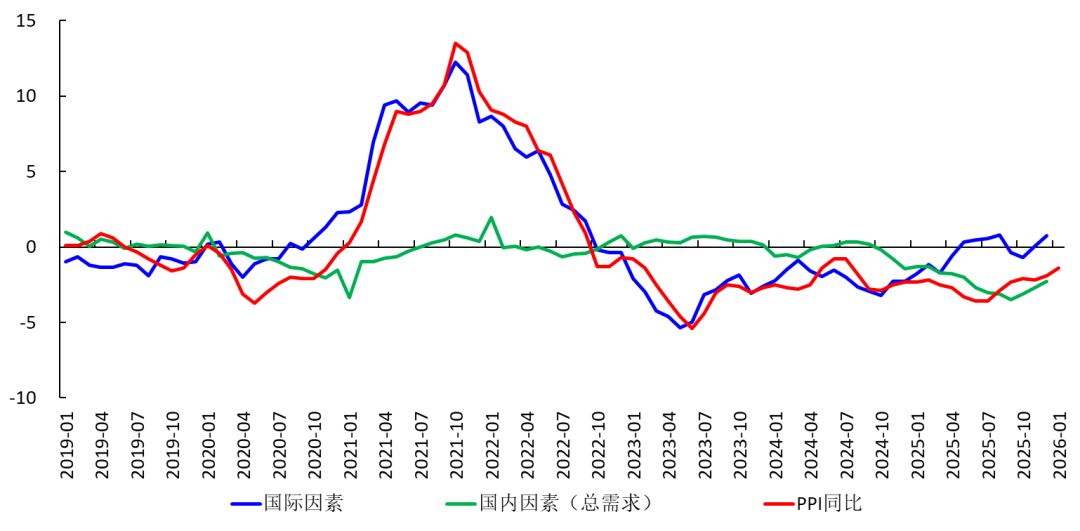
Tracking Weak Aggregate Demand from PPI
Significant PUMP Token Outflows From CEX Reflect Market Movements During Wider Crypto Industry Changes
Trending news
MoreCrypto prices
More





