
Iranian military: Hit the U.S. aircraft carrier "Lincoln"! Dow Jones plummeted 1,000 points intraday, crude oil surged 8.5%—the largest single-day gain in nearly six years

On March 5th Eastern Time, the spillover effects of the Middle East conflict swept through global financial markets. The ongoing escalation of the Iran conflict triggered panic, leading to heavy sell-offs in US stocks, international oil prices soaring to multi-year highs, and the safe-haven asset gold plunging unexpectedly. This wave of geopolitical volatility is repricing the Federal Reserve’s policy path and global economic risk.
Stock markets in turmoil, Dow plunges 1,000 points intraday
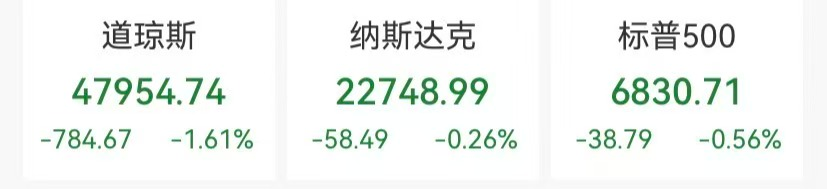
The three major US stock indices all tumbled. The Dow Jones Industrial Average plunged over 1,100 points intraday before closing down 784.67 points, a 1.61% drop to 47,954.74; the S&P 500 fell 0.57%, and the Nasdaq showed relative resilience but still closed down 0.26%. European markets fell in tandem, with the German DAX, French CAC40, and UK FTSE 100 all declining more than 1.4%.
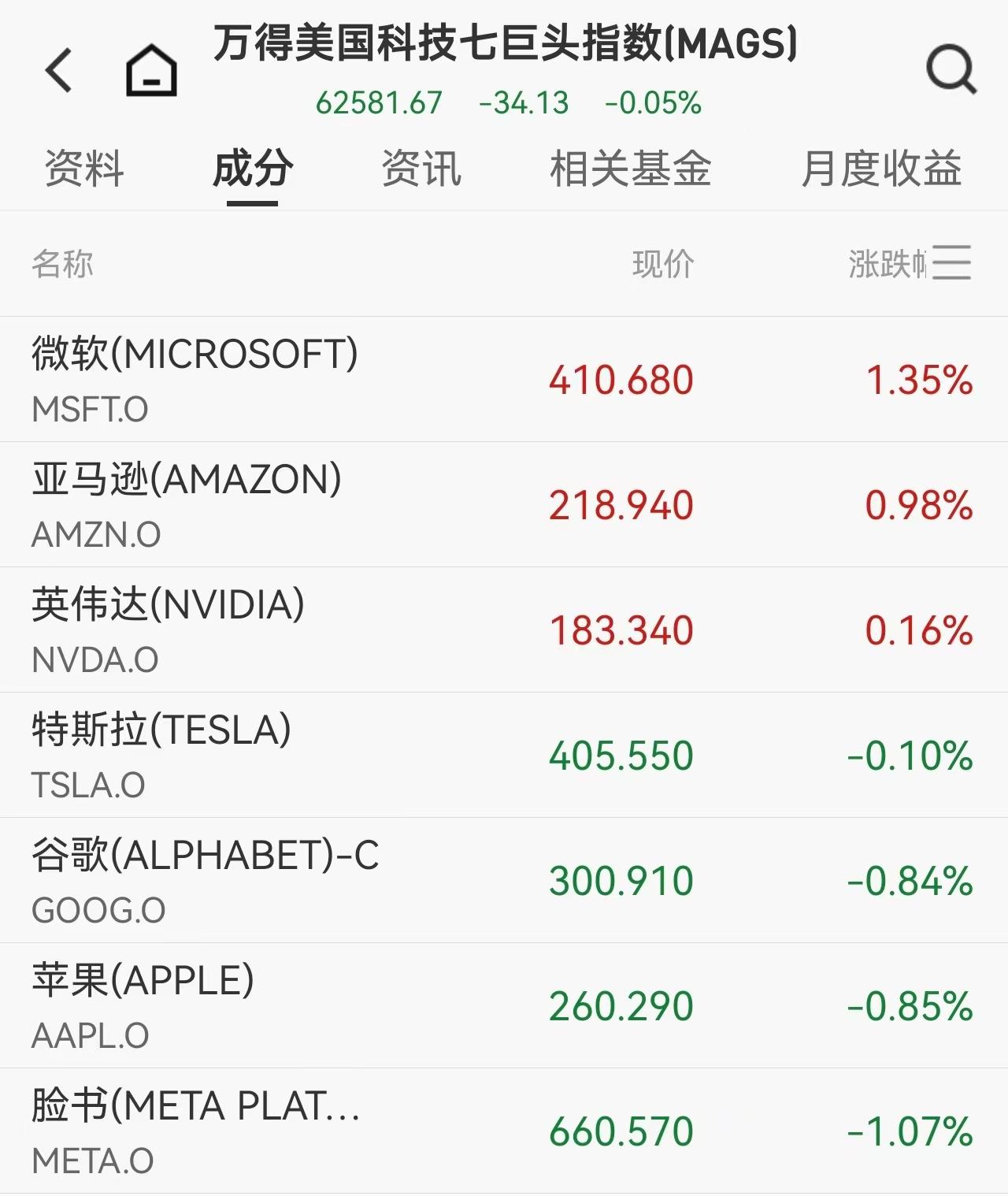
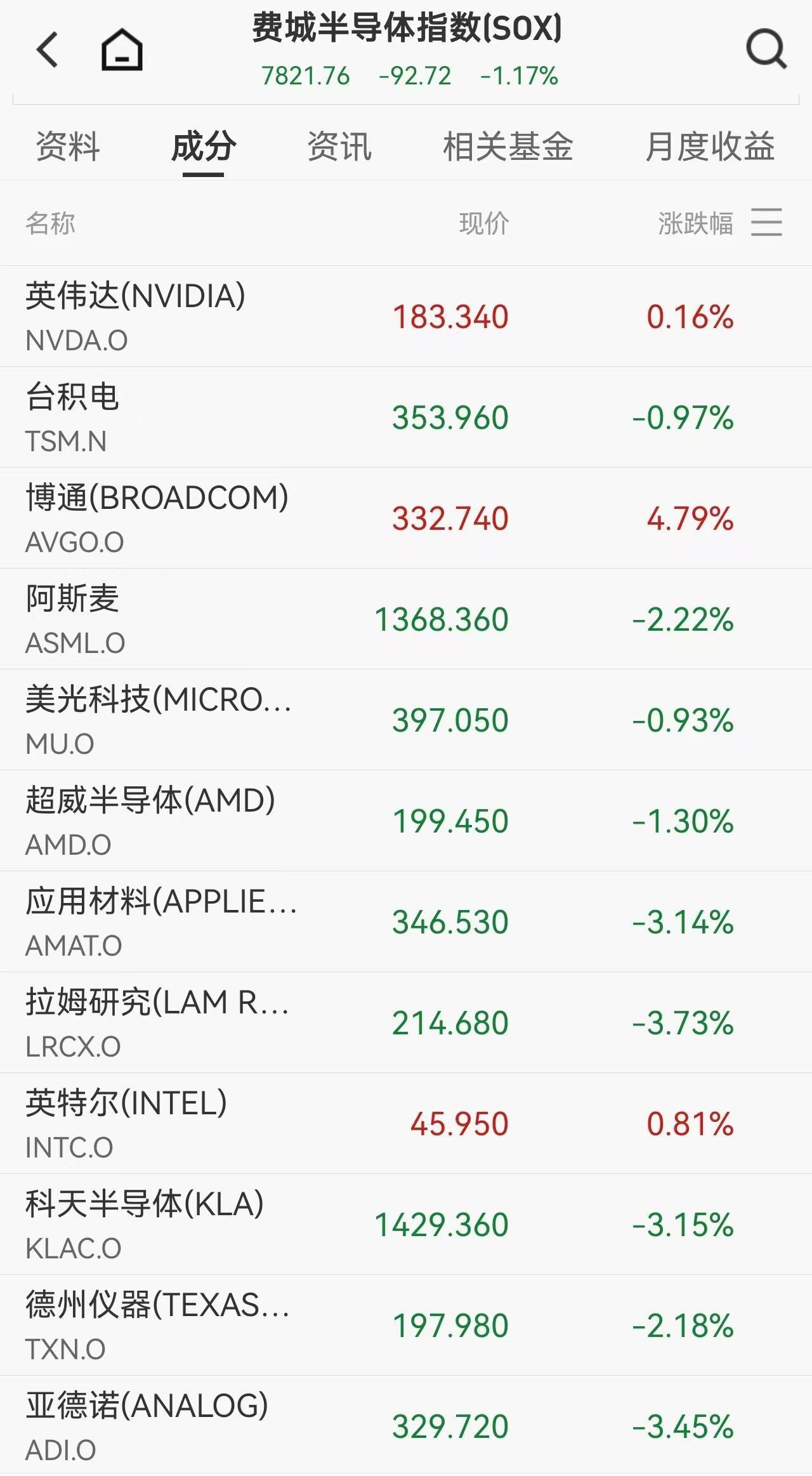
Tech stocks were mixed, with Microsoft and Amazon both bucking the trend to close up around 1%, and Broadcom surging over 4% on the back of AI chip revenue expectations breaking $100 billion. However, Meta, Apple, and Google all fell nearly 1%. The semiconductor sector was hit hard, with the Philadelphia Semiconductor Index falling 1.17%, Sandisk dropping more than 5%, and Applied Materials, Kioxia, and others losing over 3%. Most US-listed Chinese stocks saw declines, with the Nasdaq Golden Dragon China Index down 1.4%, Bilibili plunging 7%, and Hesai Technology losing over 6%.
Oil price surge ignites inflation fears
The energy market became the biggest winner amidst the conflict. WTI crude futures at one point spiked 10%, closing up more than 8.5% at $81/barrel, the largest single-day gain since May 2020; Brent crude surpassed $85, with both seeing weekly gains over 17%. Markets fear ongoing disruptions to shipping through the Strait of Hormuz, which handles about 20% of global oil supply. Although Iran denied blocking the strait, incidents such as the attack on a refinery in Bahrain and a US aircraft carrier being hit by a drone heightened supply anxiety.
Surging oil prices have fueled inflation expectations, with traders sharply reducing bets on Fed rate cuts. The interest rate swap market now implies only 35 basis points of rate cuts by year-end, down from 60 basis points. Minneapolis Fed President Kashkari admitted that the conflict is increasing economic uncertainty, making the future path of interest rates more difficult to predict.
Iranian military claims to hit U.S. "Lincoln" aircraft carrier
According to China Central Television, on March 5th local time, a spokesperson for Iran’s Armed Forces claimed that an Iranian Islamic Revolutionary Guard Navy drone struck the US “Abraham Lincoln” aircraft carrier as it approached Iranian waters in the Gulf of Oman, forcing it to retreat. At the same time, Iran launched the 21st round of “True Commitment 4” counterstrike operations, firing missiles at targets in Tel Aviv. In response, the Israel Defense Forces announced a new round of airstrikes on Tehran and vowed to intensify efforts to damage the foundations of the Iranian regime.
The conflict’s spillover effects are already evident. The main refinery of Bahrain Petroleum Company was hit by Iranian missiles, causing a fire; Abu Dhabi in the United Arab Emirates was attacked again; a massive explosion was reported in Doha, the capital of Qatar, and the security level was raised; even Azerbaijan announced it would retaliate for an Iranian drone attack. Although Iran’s permanent mission to the United Nations denied the Strait of Hormuz was blocked, calling such claims “utterly absurd,” data shows the war has in fact interrupted normal tanker passage through the strait. While the White House says it is considering offering risk insurance and escorts for ships in the Persian Gulf, no clear timetable was provided.
Disclaimer: The content of this article solely reflects the author's opinion and does not represent the platform in any capacity. This article is not intended to serve as a reference for making investment decisions.
You may also like
Sales Software Stocks Q4 Results: HubSpot (NYSE:HUBS) Delivers Strong Performance Across the Board
uniQure's Huntington's Therapy: A Regulatory Reset and the Price of Priced-In Hype
Custody Bank Stocks Q4 Performance: Comparing State Street (NYSE:STT)
Trending news
MoreCrypto prices
More





