
First Indication of Gas Shortage in Europe Affects Moldova Area

Europe Faces New Gas Supply Challenges
Europe is beginning to experience the first indications of natural gas shortages, with Transnistria—a separatist region in Moldova—raising concerns about dwindling supplies. Unless liquefied natural gas (LNG) shipments from the Middle East resume soon, which currently appears unlikely, the situation could worsen.
Background on Transnistria's Energy Crisis
Transnistria, also known as Transdniestria or Pridnestrovie, is a pro-Russian enclave that declared independence from Moldova in the early 1990s. For years, the region benefited from nearly free Russian gas, which powered local electricity generation and supplied Moldova as well. This arrangement ended in 2024 when Ukraine declined to renew its gas transit agreement with Russia’s Gazprom. As a result, Transnistria faced a severe gas deficit and was forced to turn to European suppliers, albeit at significantly higher costs.
Impact of Middle Eastern Conflict on Gas Supplies
Since switching to European gas, Transnistria has managed to maintain its supply. However, the ongoing conflict in the Middle East has started to disrupt LNG flows, reducing the amount of gas available, according to a Reuters report.
“Due to recent events in the Middle East, we are facing significant interruptions in gas deliveries,” stated Transnistria’s economic development ministry. “The drastic reduction in gas volumes has forced us to impose restrictions on commercial and heating usage.”
Interestingly, Moldova’s parliamentary speaker noted that Transnistria’s gas reserves would only last a few more days, posing the question: “Would they prefer to pay more for a steady supply, or risk shortages in schools, kindergartens, and homes?” This suggests that the issue may be more about affordability than actual scarcity.
European Gas Prices Surge
European gas prices have soared, doubling in less than a week. The TTF benchmark intraday contract recently exceeded 60 euros per megawatt-hour, while the April futures contract settled at 48.77 euros per megawatt-hour as of Wednesday.
This price spike followed Iranian attacks on Qatari LNG infrastructure, which led QatarEnergy to halt all LNG production. Shortly after, the company declared force majeure on its exports. Given that Qatar supplies about 20% of the world’s LNG, these events had an immediate impact on global prices.
Europe’s Vulnerability to Gas Disruptions
Europe is particularly exposed to energy supply shocks. After reducing its dependence on Russian pipeline gas, the EU has become increasingly reliant on LNG imports, with Qatar as a major supplier. While some analysts point out that there is ample American LNG available, sellers now have the upper hand in setting prices. With Qatar’s production offline, European buyers are likely to face even higher costs and inflationary pressures.
Further Reading
Broader Implications for Europe
Smaller EU nations and other European countries like Moldova are especially susceptible to gas supply shocks due to their limited financial resources, which restrict their ability to secure alternative supplies. However, a renewed gas crisis could have even more severe consequences for larger economies such as Germany, which is considered a cornerstone of the EU—a bloc Moldova hopes to join by 2030.
Qatar provides between 12% and 14% of the EU’s natural gas. As noted by the Bruegel think tank, “Europe is less reliant on Gulf oil and LNG than countries like China, India, Japan, or South Korea, but it is not immune.” Lower direct dependence does not shield Europe from price volatility. Disruptions in LNG flows, from Transnistria to the UK, will inevitably be felt across the continent.
By Charles Kennedy for Oilprice.com
Top Stories from Oilprice.com
- Dozens of Asia-Flagged Oil Tankers Stranded near Strait of Hormuz
- China Halts Fuel Exports Amid Global Market Squeeze
- LNG Shipping Rates Soar 650% to $300,000 Per Day
Stay Ahead with Oilprice Intelligence
Oilprice Intelligence delivers expert insights before they hit the headlines. This trusted analysis, favored by seasoned traders and policy advisors, is available free twice a week—helping you understand market moves before the rest of the world.
Gain access to geopolitical analysis, exclusive inventory data, and insider market trends that influence billions. Subscribe now and receive $389 worth of premium energy intelligence at no cost. Join over 400,000 readers—sign up instantly here.
Disclaimer: The content of this article solely reflects the author's opinion and does not represent the platform in any capacity. This article is not intended to serve as a reference for making investment decisions.
You may also like
Rates Spark: Poised for Potential Breakouts
Nvidia's throat

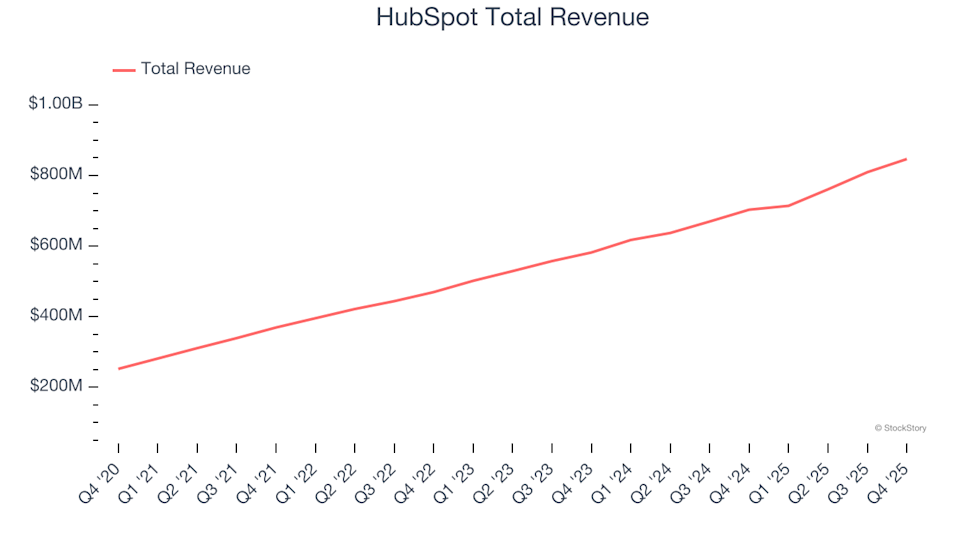
Sales Software Stocks Q4 Results: HubSpot (NYSE:HUBS) Delivers Strong Performance Across the Board
Crypto prices
More





