
Quanex Q1: While the results were anticipated, the updated guidance has shifted expectations

Quanex: Market Expectations and Q1 Performance
Investors had set a high bar for Quanex heading into the latest quarter. The company's shares had already surged by approximately 27.9% since the start of the year, significantly outpacing the S&P 500's modest 0.4% gain. This impressive rally was fueled by widespread optimism, with analysts overwhelmingly recommending the stock as a Strong Buy and projecting a potential upside of 78.6%. With such bullish sentiment and high expectations, much of the anticipated good news was already reflected in the share price.
However, the actual Q1 results revealed a gap between expectations and reality. While Quanex delivered a notable adjusted earnings beat, its revenue growth fell short. The company reported an adjusted EPS that exceeded forecasts by 80%, but revenue of $409.09 million only slightly surpassed estimates by 0.64%. More importantly, Quanex posted a GAAP loss of $0.01 per share, which was worse than the expected loss of $0.05. This divergence—outperforming on adjusted EPS but missing on both GAAP earnings and revenue—was at the heart of the subsequent stock decline.
The market's reaction was a classic example of "sell the news." After a strong run-up in anticipation of positive results, the actual numbers, while solid, failed to exceed the already lofty expectations. The market interpreted the results as a sign that the period of easy growth may be coming to an end. The strong performance was already priced in, and the company's updated guidance would now shape the next phase for the stock.
Financial Overview: Margins Under Pressure
The financial results highlighted a challenging environment for Quanex. Revenue increased by just 2.3% year-over-year to $409.1 million, falling short of the $417.9 million analysts had anticipated. The most concerning aspect was the sharp drop in profitability: operating profit plummeted by 140.9% to $2.9 million, underscoring the pressure on margins. Even though gross profit rose 6.7% to $98.5 million, increased costs—particularly a 0.9% rise in cost of sales to $310.6 million—eroded these gains.
This disconnect between modest revenue growth and declining profitability is central to Quanex's current financial picture. The adjusted EPS beat of -$0.01 per share was 80% above consensus, but this figure excludes certain items and does not reflect the underlying challenges. The GAAP loss per share was -$0.09, missing the consensus estimate of -$0.06. The combination of a GAAP miss and a steep drop in operating profit signals that the company's core operations are under significant strain, despite a slight uptick in sales.
Cash flow remains a concern as well. Despite the steep decline in operating profit, cash from operations was still negative at -$20.2 million. While this was an improvement of 61.5% compared to the previous year, negative operating cash flow indicates that the company is still consuming cash through its main activities. Although Quanex increased its cash reserves to $62.3 million, the overall financial situation remains fragile, with improving cash flow offset by ongoing losses and shrinking profits. The key question now is whether this profitability gap is a temporary setback or the start of a more persistent trend.
Updated Guidance: Shifting the Outlook
Quanex's management has signaled a shift in strategy, acknowledging that the period of rapid growth is likely over. The company now expects fiscal 2026 net sales to range between $1.84 billion and $1.87 billion, with Adjusted EBITDA projected at $240 million to $245 million. While these targets appear stable, management cautioned that the second half of 2026 will be more challenging than the first half of 2025, indicating that headwinds are expected to persist.
This adjustment in expectations is a classic "guidance reset." After a Q1 performance that met but did not exceed high expectations, the company is now setting a more cautious tone for the rest of the year. Emphasis on reducing debt and selectively repurchasing shares reflects a focus on prudent capital management, but also highlights the pressures facing the business. With a net debt leverage ratio of 2.8x and $331.6 million in liquidity, Quanex's balance sheet is stable but not robust. The company anticipates being a net borrower in the first half of the year due to seasonal cash requirements, which will temporarily increase leverage.
Ultimately, this guidance reset marks a turning point. The conversation is moving away from the Q1 beat and toward the challenges ahead. By preparing investors for a tougher second half, management is signaling that the favorable comparisons from last year are behind them. The initial sell-off following the Q1 results reflected the realization that future growth will be harder to achieve, and that the company is now prioritizing balance sheet strength over aggressive expansion.
Key Factors to Monitor Going Forward
With expectations reset, the focus now shifts to Quanex's ability to deliver on its new targets. For the stock to regain momentum, investors will need to see clear evidence that the company is executing on its plans and navigating the tougher environment effectively.
- Q2 Results: Watch for signs of operational improvement, particularly in operating margins. The sharp drop to $2.9 million in Q1 operating profit was a warning sign. Any stabilization or improvement in Q2 would support management's outlook for a better second half. Continued margin pressure, however, would reinforce the need for a more cautious approach.
- Cash Flow and Balance Sheet: The negative operating cash flow of -$20.2 million needs to turn positive. Achieving a quarter of positive cash flow from operations would demonstrate that the business is generating real cash. Additionally, monitor the net debt leverage ratio, which is expected to rise in the first half but should ideally decline as the year progresses, reflecting successful debt reduction efforts.
- Guidance Updates and Demand Signals: Any upward revision to full-year guidance or indications of pent-up demand—such as stronger volume growth in the Custom Solutions segment or improved pricing power—could act as a catalyst for the stock. Until then, the market is likely to remain cautious, focusing on the company's path to sustainable profitability rather than expecting a quick recovery.
Disclaimer: The content of this article solely reflects the author's opinion and does not represent the platform in any capacity. This article is not intended to serve as a reference for making investment decisions.
You may also like
WEAVs Earnings Show Slimmer Losses, But Profitability Still Out of Reach
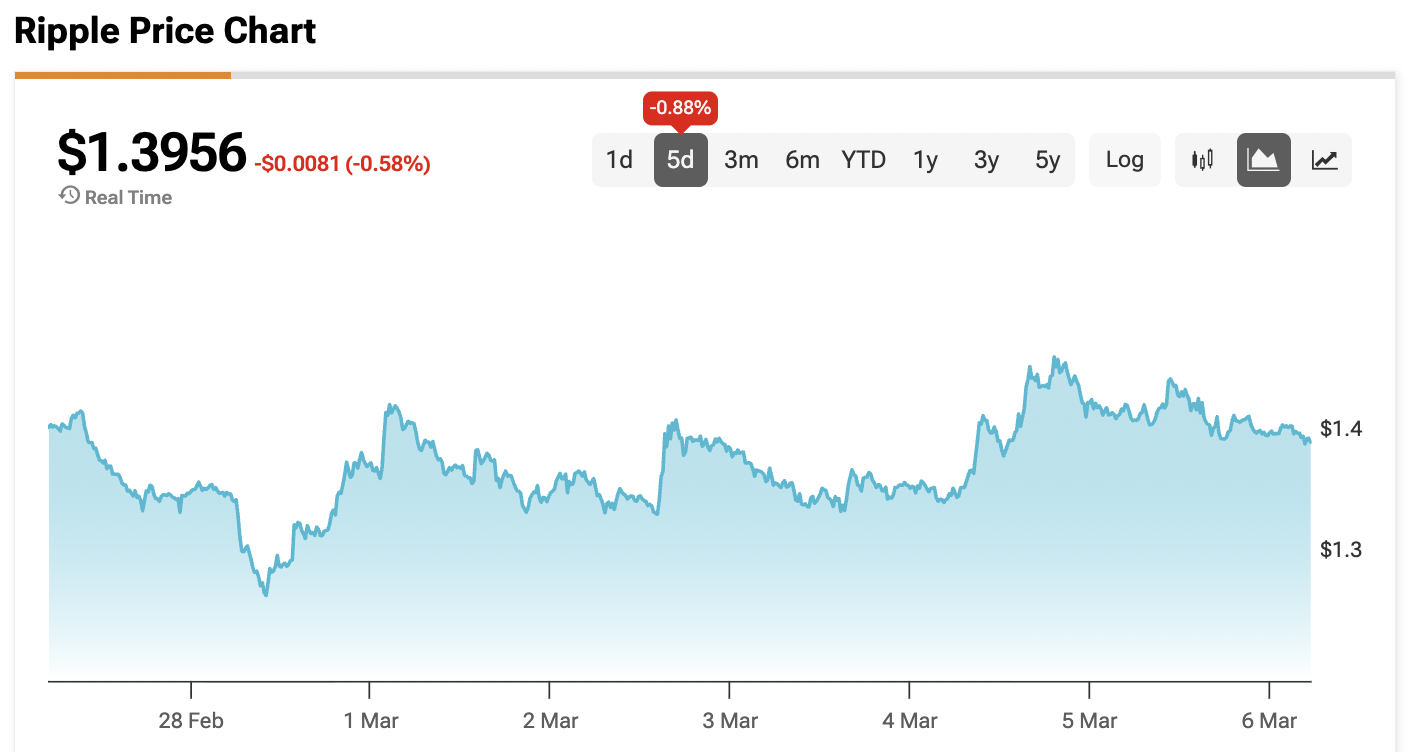
XRP Price Keeps Getting Shot Down as $1.45 Becomes ‘No Man’s Land’
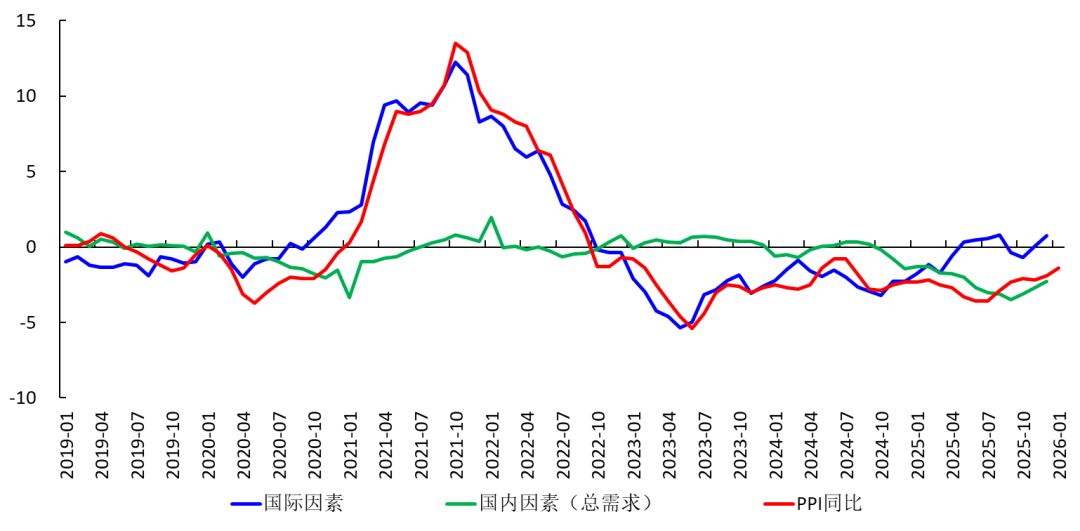
Tracking Weak Aggregate Demand from PPI
Significant PUMP Token Outflows From CEX Reflect Market Movements During Wider Crypto Industry Changes
Trending news
MoreCrypto prices
More





