
Oil Soars 18% This Week as Conflict Halts Hormuz Shipping

Oil Prices Soar Amid Middle East Conflict
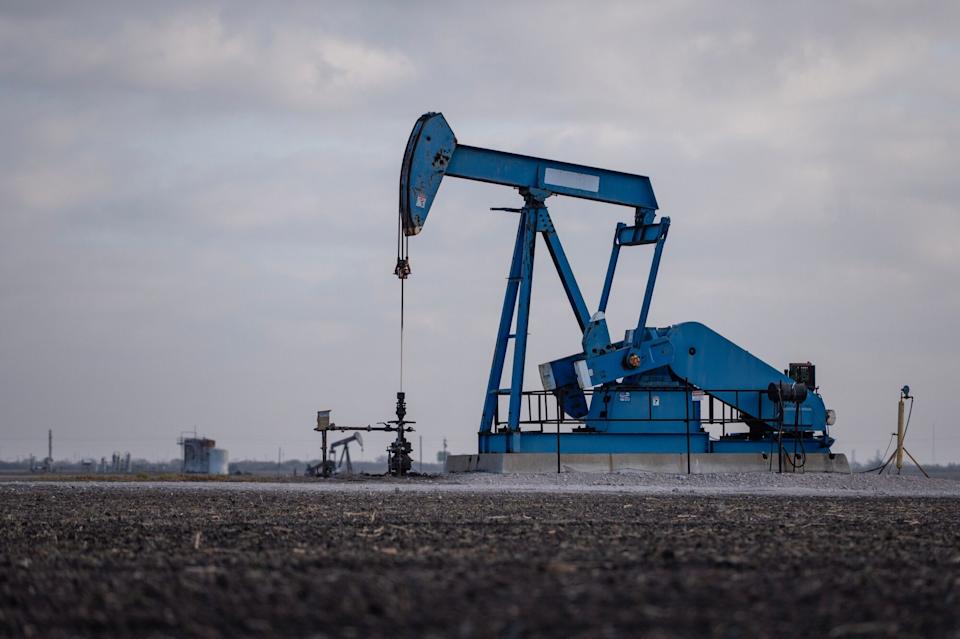
The ongoing turmoil in the Middle East has caused oil prices to surge, marking the largest weekly increase since 2022. The disruption has nearly halted shipping through the Strait of Hormuz, a critical passage for global energy supplies.
This week, Brent crude jumped by 18%, trading above $85 per barrel on Friday. This rise comes despite efforts by President Donald Trump to ease price pressures and the US Treasury's move to relax restrictions on India's purchases of Russian oil. West Texas Intermediate hovered around $81.
Top Stories from Bloomberg
With tensions showing no signs of easing, Goldman Sachs has warned that oil prices could surpass $100 per barrel if disruptions persist. Diesel futures are set for a weekly increase of over 40%, and central banks are expressing concern about renewed inflation risks.
The Joint Maritime Information Center, a multinational naval advisory group, reports that commercial activity through Hormuz has almost completely stopped. This slowdown is attributed to security concerns, insurance issues, operational uncertainties, and direct disruptions.
Impact of the Conflict on Oil Markets
The conflict, which began with US and Israeli actions on February 28, has drawn in numerous countries and severely affected oil markets. Shipping through the vital strait has nearly ceased, restricting global oil supply and forcing producers to cut output. Refineries and tankers have also been targeted.
Iran's Foreign Minister Abbas Araghchi told NBC News that Iran is not open to negotiations and is prepared for a ground offensive, while President Trump later stated he was not considering such action. Israel has launched further attacks on Iran, and Saudi Arabia and Qatar have intercepted drones and missiles.
The threat of prolonged hostilities is unsettling markets. According to the International Energy Agency, roughly 20 million barrels of oil and petroleum products passed through Hormuz daily last year. Recent ship-tracking data indicates a dramatic drop in traffic.
As importers face difficulties securing oil, the US Treasury has granted India a temporary waiver to purchase Russian crude stranded at sea, clarifying that only oil already en route is covered by this authorization.
Potential Outcomes and Market Responses
Goldman Sachs cautions that an extended disruption at Hormuz, which connects the Persian Gulf to global markets and typically handles about 20% of worldwide oil flows, could drive prices much higher. However, the bank currently expects shipments to gradually recover, with futures averaging $76 per barrel in the second quarter.
Samantha Dart, co-head of global commodities research at Goldman Sachs, told Bloomberg Television that if low flows through Hormuz continue for another five weeks, Brent crude could break the $100-per-barrel mark.
Government Actions and Global Effects
US Interior Secretary Doug Burgum stated that the administration is considering various strategies to address rising oil and gasoline prices, including both immediate and longer-term measures. One option is releasing oil from the national emergency reserves, possibly in coordination with other countries, though the Strategic Petroleum Reserve has not yet been tapped.
In Asia, economic pressures are mounting. China has instructed major refiners to halt diesel and gasoline exports to prioritize domestic supply, while Japanese refiners have requested government intervention to release oil from strategic reserves.
As the conflict expands and Middle Eastern supplies tighten, Saudi Arabia has increased the price of its main oil grade for Asian buyers in April by the largest margin since August 2022. The country is also redirecting millions of barrels to Red Sea ports to bypass Hormuz.
Product prices have surged. In Europe, low-sulfur gasoil futures have climbed about 44% this week, the biggest jump ever recorded. In the US, average retail gasoline prices have risen roughly 9%, according to the American Automobile Association.
Brent's prompt spread, which measures the difference between its two nearest contracts, has widened to $4.37 per barrel in backwardation—a bullish signal. Just a month ago, the spread was only 58 cents.
Most Popular from Bloomberg Businessweek
©2026 Bloomberg L.P.
Disclaimer: The content of this article solely reflects the author's opinion and does not represent the platform in any capacity. This article is not intended to serve as a reference for making investment decisions.
You may also like
Intel Flags Surging AI Server Demand As Factories Hit Capacity Limits
Solana price prediction: can SOL break out of the $80–$100 trap in 2026?

Retail Sales Miss Masks REITs' Repo-Driven Rebound
Trump woos Venezuela with potential deals as relations reset
Trending news
MoreCrypto prices
More





