
US Nonfarm Payrolls Report and Middle East Conflict: Potential Impacts on US Stocks and Investment Opportunities!
On March 6, 2026, at 8:30 AM ET, the US Department of Labor will release the latest Nonfarm Payrolls (NFP) and unemployment rate data. Market expectations suggest this report may build on January's positive momentum, when job additions reached 130,000—surpassing forecasts of 55,000 to 70,000—and the unemployment rate dropped to 4.3%.
The timing is delicate, coinciding with the seventh day of US-Israeli military actions against Iran, which has led to the closure of the Strait of Hormuz and disruptions in global oil and gas supplies. This conflict has driven up energy prices, significantly affecting the oil and gas storage and transportation sectors. This article explores the potential implications for US stocks amid these factors, along with emerging investment opportunities.
Current Bitget Promotion: "Stock Newbie Gift—Zero-Fee Trading with 10 USDT Bonus" for more efficient and cost-effective trading!
I. NFP Data: Strong Results Boost Stocks; Weak Ones Add Pressure
The NFP report is a key focus for the Federal Reserve, often dictating market direction.
January's robust job growth was concentrated in healthcare, social assistance, and construction, with slight declines in government and finance roles. Despite downward revisions to 2025 data by about 403,000 (from +584,000 to +181,000), the labor market remains solid. The unemployment rate fell from 4.4% to 4.3%, with hourly wages rising 0.3% month-over-month and 3.7% annualized. If March adds 70,000 to 100,000 jobs, it signals a stable "soft landing" for the US economy, sustaining consumer spending and industrial activity.
This typically benefits US stocks, enabling companies to earn more in a "Goldilocks" scenario—moderate growth with controlled inflation.
However, in the current Middle East conflict, it could amplify inflation. Historically, NFP surprises correlate with oil price swings (±2.3% on average). Strong data might delay Fed rate cuts, pushing up Treasury yields and strengthening the dollar (DXY potentially to 100.4), favoring US energy exports while pressuring importers.

II. Escalating Middle East Conflict: Geopolitical Shock to Oil and Gas Supplies
Tensions escalated rapidly since US-Israeli strikes on Iran began on February 28.
The assassination of Iranian leader Ali Khamenei prompted Revolutionary Guard threats against vessels in the Strait, leading to its closure. This vital waterway carries 20% of global oil and LNG, halting one-fifth of Qatar's exports. Consequently, oil and gas prices have surged.
The oil and gas storage and transport sector has turned chaotic. Global crude was expected to be in surplus (170,000 barrels/day in 2026), but geopolitical risks have inflated prices. The US Energy Information Administration (EIA) forecasts US natural gas production up 2% to 120.8 billion cubic feet/day (mainly from Appalachia, Haynesville, and Permian basins).
Yet, Persian Gulf disruptions have prompted shipowners to withdraw, doubling insurance costs. China is ramping up stockpiles (1 million barrels/day), supporting prices. LNG shortages could be partially offset by North American exports, but energy security in Europe and Asia remains threatened.

III. Conclusion: NFP and War Dynamics on US Stocks—Impacts and Opportunities
A strong NFP amid Middle East turmoil creates complex market dynamics.
Job growth could spur energy demand: US oil and gas consumption is set to rise in 2026 with economic recovery and AI data centers. However, high oil prices fuel inflation, eroding corporate profits via elevated energy costs.
Thus, US stocks may diverge, with energy sectors shining. Upstream firms see cash flow boosts, while defensive utilities benefit from gas demand. Tech and consumer stocks face pressure from high rates squeezing valuations, potentially elevating the VIX fear index. A weak NFP, combined with war, could stoke stagflation fears.
Overall, a quick conflict resolution would ease oil prices and lift stocks; prolonged fighting risks global slowdown and rising inflation.
For retail investors, consider overweighting energy while reducing cyclical exposure. Monitor NFP data and war developments closely.

Bullish Picks:
- Energy Upstream: ExxonMobil (XOM), Chevron (CVX)—Higher oil prices boost profits.
- Defensive Energy: NextEra Energy (NEE)—Rising natural gas demand.
Current Bitget Promotion: "Stock Newbie Gift—Zero-Fee Trading with 10 USDT Bonus" for more efficient and cost-effective trading!
Disclaimer: The content of this article solely reflects the author's opinion and does not represent the platform in any capacity. This article is not intended to serve as a reference for making investment decisions.
You may also like
Are you a young male who supported Trump and are now struggling to secure employment?

Plan surfaces for $166 billion in tariff reimbursements. However, don't expect it to happen soon.

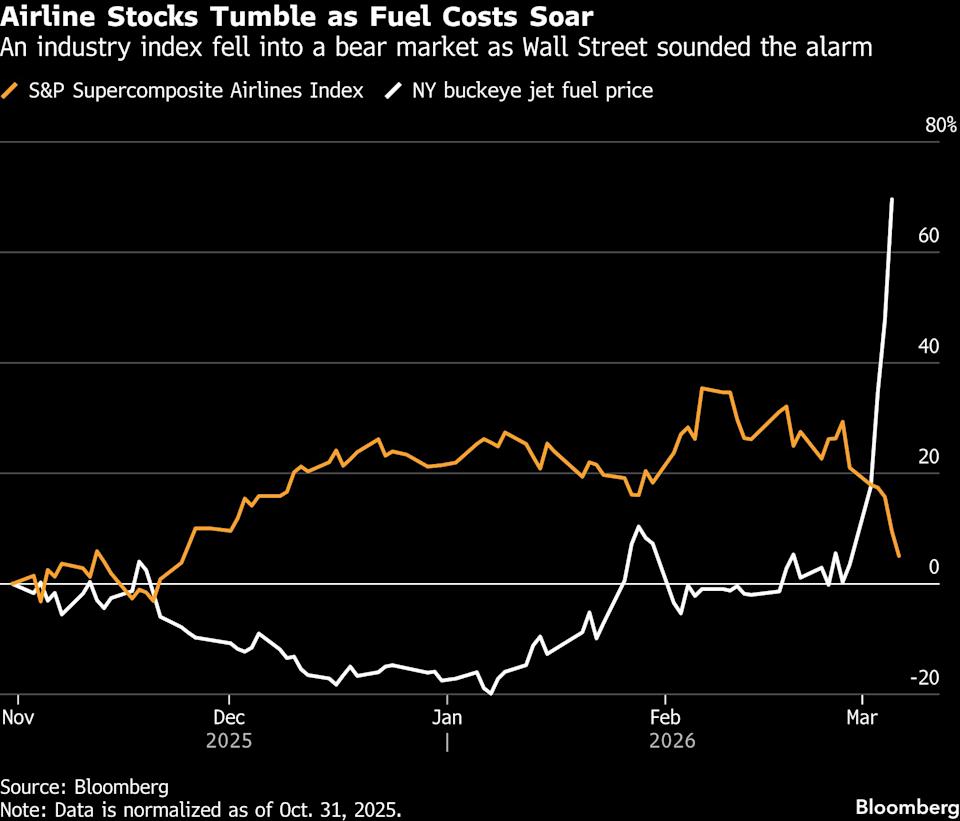
Airlines Face Bear Market as Oil Prices Present a ‘Critical’ Challenge
Trump Announces Defense Companies Will Increase Production of Certain Weapons Fourfold

Trending news
MoreCrypto prices
More





