
Chile’s Flat CPI Signals Tepid Inflation, Raising Policy Uncertainty

Chile's Consumer Price Index (CPI) remained flat in January 2026, posting a 0.0% monthly increase compared to a prior reading of 0.4%. This signals a sharp slowdown in inflationary pressures, aligning with a broader trend of cooling price growth in Latin America. The result was also below the 0.1% forecast, reinforcing perceptions of a more subdued inflationary environment. This data may signal a softening in domestic demand and improved price stability, but it also raises questions about the strength of economic recovery amid ongoing global uncertainties.
Chile's inflation dynamics are closely watched due to its heavy reliance on commodity exports and its role as a key copper producer. A slower pace of CPI growth could support the country's central bank in maintaining a more accommodative monetary policy, at least in the near term. Investors tracking the Central Bank of Chile will be watching for signs that this moderation in inflation could open the door to rate cuts in 2026. However, the global context—including ongoing geopolitical tensions and energy volatility—suggests that domestic disinflation may not be entirely decoupled from external shocks.
The broader Latin American context adds another layer of complexity. Regional economic growth is expected to slow in 2026 amid tightening monetary policies and political uncertainties. Chile, however, stands out with a relatively stable macroeconomic environment compared to its neighbors, particularly as inflation trends downward. This could support a more predictable policy environment and attract capital flows—especially into asset classes like equities and local bonds—assuming that domestic financial markets remain well-regulated and liquid. Nevertheless, investors must remain cautious as potential rate cuts and currency depreciation may weigh on returns, particularly for foreign investors exposed to the Chilean peso.
What Does Chile's January CPI Data Reveal?
Chile's January CPI result reflects a significant moderation in price pressures, with the annual inflation rate likely edging closer to the Central Bank's 3% target. While the monthly print is particularly notable for its stark decline from the prior month's 0.4%, the broader trend points to a more stable inflationary environment. This could be attributed to a combination of factors, including easing energy costs, reduced consumer demand, and improved supply chain conditions in the region. The result supports the view that inflation in Chile is becoming more anchored to policy expectations, especially with a more accommodative monetary policy backdrop. The Central Bank of Chile, which has been cautious in its rate-setting approach, may interpret this as a sign that monetary tightening has largely done its job.
The flat CPI reading also signals potential vulnerabilities in the broader economy. A slowdown in price growth can often be a precursor to weaker economic activity, as consumers and businesses become more hesitant in spending and investment. While Chile's economy has generally shown resilience in the face of external shocks, the moderation in inflationary pressures may reflect underlying weakness in demand. This could be particularly important for sectors like mining and agriculture, which are sensitive to global commodity prices and exchange rate fluctuations. Investors should watch for any signs of a sharper slowdown in economic activity, as this could trigger a policy response from the government or a reassessment of market positioning.
Why Is Stagnant CPI Important for Investors?
For investors, the stagnation in Chile's CPI is important because it influences both monetary policy and capital flows. A slowdown in inflationary pressures can provide a window for central banks to ease monetary conditions, which in turn can support asset prices by lowering borrowing costs and improving credit availability. In Chile's case, a more accommodative monetary environment could support equities, particularly in sectors that are sensitive to interest rates, such as real estate and financials. It could also improve the competitiveness of Chilean exports by depressing the peso, making Chilean goods more attractive in international markets.
However, investors must also consider the risks of deflationary pressures, particularly if inflation trends downward more rapidly than anticipated. While a moderate decline in inflation is generally beneficial, excessive price stability can lead to lower consumer spending and investment, which can, in turn, lead to economic stagnation. The Central Bank of Chile has historically been cautious in its inflation targeting, and a more aggressive easing cycle is unlikely unless the data consistently shows a trend of declining inflation. Given the volatility of global markets and the potential for renewed inflationary shocks—such as from geopolitical conflicts or energy prices— investors should remain cautious about overinterpreting short-term CPI trends.
What Are the Broader Regional and Global Implications?
The slowdown in Chile's inflationary pressures is part of a broader regional trend. Latin America as a whole is expected to see inflation approach central bank targets in 2026, driven by tighter monetary policy and easing commodity prices. However, the region remains vulnerable to external shocks, particularly from the Middle East and potential disruptions in global trade. Given Chile's relatively open economy, its CPI data could serve as an early indicator of how global inflationary forces are affecting the region.
The geopolitical landscape further complicates the inflation outlook for Chile and the broader region. The recent euro weakness and geopolitical tensions in the Middle East have led to energy price spikes, which could eventually filter into domestic inflation. While January's CPI result may seem encouraging, investors should remain mindful of the potential for renewed inflationary pressures, particularly if global tensions escalate or energy prices remain elevated. In addition, the ongoing USMCA renegotiation in Mexico, which is a key regional economic partner, remains a source of uncertainty that could ripple across Latin American markets.
Investors should also pay close attention to upcoming data from the Central Bank of Chile, including inflation projections and forward guidance. These will provide critical insights into whether the current slowdown in inflation is a structural shift or a temporary correction. In addition, monitoring the performance of the iShares MSCI Chile ETF (ECH), which tracks Chilean equities and is heavily weighted toward mining and financials, can offer a market-based view of investor sentiment about the country's inflation trajectory.
In sum, Chile's January CPI data points to a more stable inflationary environment, which could support a more accommodative monetary policy and attract capital inflows. However, the broader regional and global context suggests that investors should remain vigilant for signs of renewed inflationary pressures or economic weakness. By monitoring both macroeconomic data and policy responses, investors can better position themselves for potential shifts in the inflation landscape and adjust their portfolios accordingly.
Disclaimer: The content of this article solely reflects the author's opinion and does not represent the platform in any capacity. This article is not intended to serve as a reference for making investment decisions.
You may also like
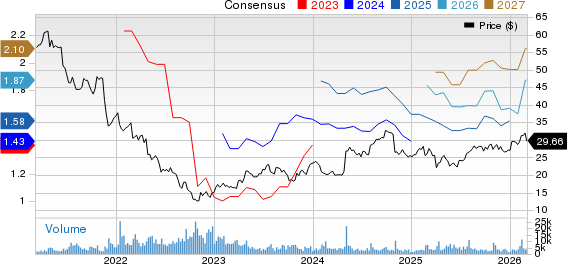
Here’s the Reason Investors Are Turning to Ensign Group Shares Right Now
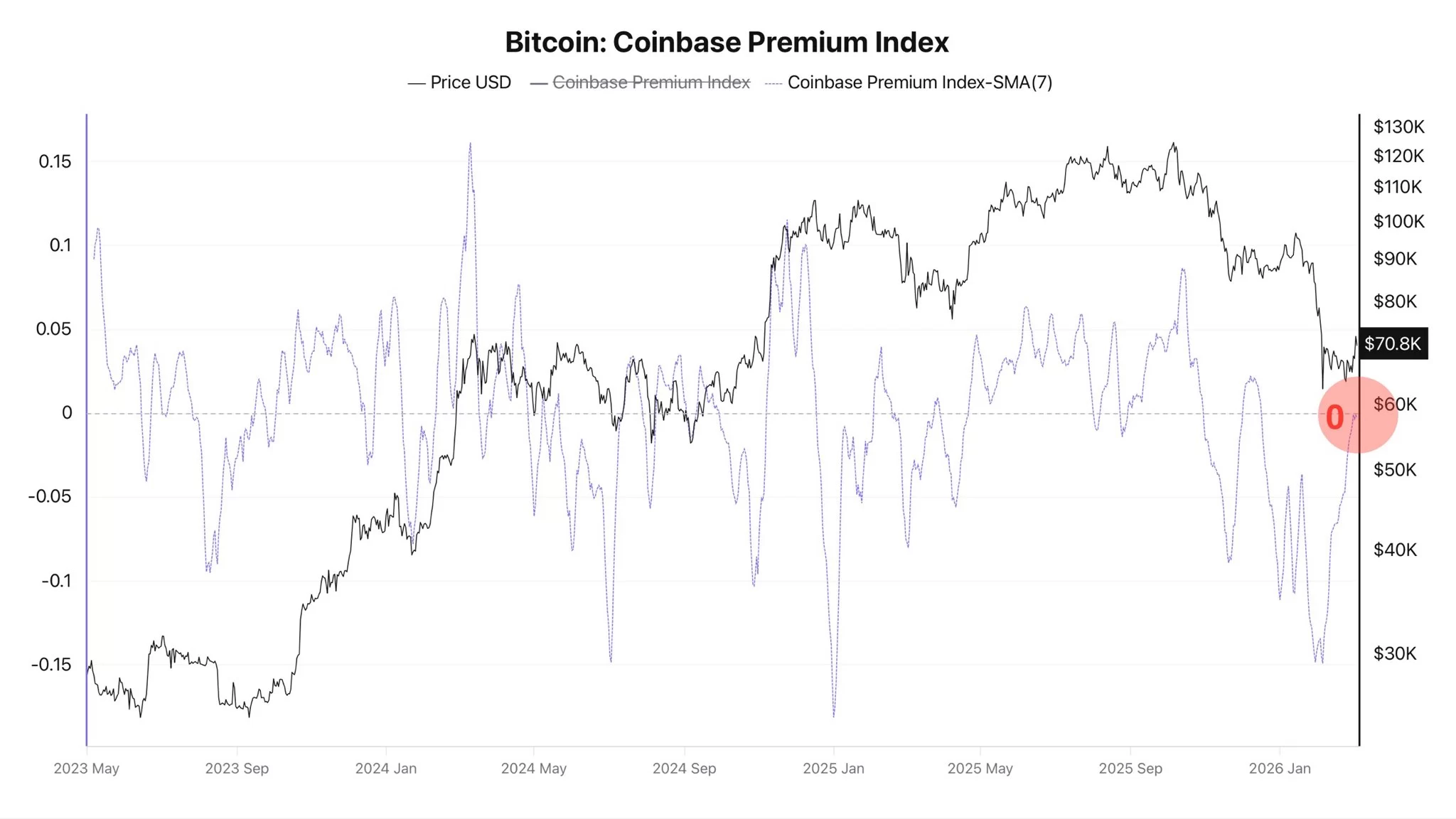
Institutional Sellers Step Back as Bitcoin Faces Renewed Volatility

Philips Unveils Rembra CT Scanner to Speed Up Medical Imaging
Trending news
MoreCrypto prices
More





