
Upstart's Sudden Silence on Guidance Could Have Sparked Investor Confidence Squeeze — Has the Market Already Factored in the Risk?

Upstart’s Q4 Results: When Expectations Outweigh Performance
Upstart’s fourth-quarter earnings sparked a dramatic market reaction, with shares tumbling 30.6% in February and approaching a fresh 52-week low of $26.80. This sharp decline came despite the company surpassing expectations—revenue jumped 35.2% to $296.1 million and earnings per share reached $0.17, both beating analyst forecasts. However, the market’s focus quickly shifted from these strong results to concerns about the company’s future outlook.
The main source of investor anxiety was Upstart’s decision to discontinue quarterly guidance. For a company in growth mode, this move introduced a significant level of uncertainty, unsettling investors who had relied on regular updates for clarity. The market’s swift sell-off, even after an earnings beat, highlights a disconnect between what investors anticipated and the company’s new approach. Previously, the consensus expected not just growth, but consistent, predictable growth. Removing that guidance left investors without a clear roadmap, prompting many to exit their positions.
Looking at the scale of the sell-off, it’s possible that much of the negative sentiment has already been factored into the stock price. A 30% drop in a single month, especially from higher levels, suggests that the market has already reacted to the worst-case scenarios regarding future visibility. With shares hitting new lows, the narrative of “priced for perfection” has been forcefully reset. The key question now is whether the current valuation accurately reflects the risks and potential rewards of the business going forward.
From Lofty Expectations to a New Reality
The recent decline wasn’t simply about the loss of guidance—it marked a dramatic adjustment from previously high expectations. Investors had valued Upstart at a premium, as seen in its trailing P/E ratio of 86.7, anticipating flawless execution and a smooth path to the company’s ambitious $1.4 billion revenue target for 2026. While the updated guidance was encouraging, the market’s reaction suggests that new uncertainties have emerged, overshadowing the positive outlook.
The most significant change is the company’s strategic shift toward expanding into new lending areas, such as personal and home loans. This raises questions about profitability, as investors worry that these new verticals could reduce Upstart’s “take rate” on loan originations. This added uncertainty wasn’t fully reflected in previous valuations.
Adding to these concerns is a credit risk that may have been underestimated. A recent review by KBRA led the agency to downgrade one class of Upstart’s securitization notes, citing expectations of “majority principal loss along with the interest shortfall in the next 12 months.” While this downgrade was limited to a specific tranche, it signals potential credit quality issues that could impact future earnings and valuation.
In summary, the market is adjusting from a scenario where perfection was expected. The 30% drop suggests that risks related to guidance and margins are now largely priced in. The KBRA downgrade introduces a concrete, near-term credit risk that wasn’t previously accounted for. As a result, the sell-off appears to be a rational reassessment of risk and reward, rather than an overreaction to new information. The stock now trades at a discount to its former lofty expectations, but the path to regaining those valuations is far less certain.
Valuation After a 90% Decline: Assessing Risk and Opportunity
With shares reaching a new 52-week low of $25.60, Upstart has now fallen 93% from its all-time high—a dramatic reset in how the market values the company. This steep drop reflects deep skepticism about future growth and profitability, leaving little margin for error. The central question is whether this discounted price offers a genuine opportunity or simply reflects a more realistic assessment of the company’s prospects.
On the surface, Upstart’s financials show significant improvement. Net income swung from a $128.6 million loss in 2024 to a $53.6 million profit in 2025, supporting a trailing P/E ratio of 67.33. Despite this turnaround, the valuation remains high, indicating that investors are still betting on future growth. The average analyst price target of $49.50 suggests potential upside, but the consensus rating is a cautious “Hold,” reflecting uncertainty about the company’s growth trajectory.
The risk/reward balance now depends on two key factors: whether Upstart can sustain its take rate as it enters new lending markets, and the impact of the KBRA downgrade, which anticipates major principal and interest losses in the next year. While this is not a broad warning, it does represent a tangible, near-term risk to earnings.
Ultimately, the stock’s current valuation reflects a challenging transition. The 90% decline has likely absorbed much of the fear around guidance and margin pressures, but the road to regaining a premium valuation is now narrower and fraught with execution risk. The discount may be justified, given the company’s uncertain future, and the risk/reward profile remains skewed, with the potential for further downside if the transition falters.
Key Catalysts and Risks Ahead
At this point, Upstart’s share price is a wager on the company’s ability to execute. The main catalyst is whether it can achieve its 2026 revenue goal of $1.4 billion, which now serves as the primary benchmark for future performance. Success here would validate the company’s growth story and its ability to remain profitable while expanding into new lending areas. Any misstep could reinforce the market’s current skepticism.
A pressing short-term risk is the quality of Upstart’s loan portfolio. The KBRA downgrade, which anticipates major principal and interest losses within the next year, is a clear sign of credit stress. Investors should closely monitor future securitization performance and updates on asset quality, as further deterioration could directly impact earnings and valuation, regardless of revenue growth.
The biggest challenge for the market remains the lack of transparency. By ending quarterly guidance, Upstart has created an information gap that annual targets alone cannot fill. While management’s commitment to sharing monthly transaction volumes offers some insight, it is a lagging indicator. The stock’s volatility, highlighted by increased put option activity, shows that investors are still hedging against uncertainty.
Analyst sentiment has become more cautious, intensifying the pressure on the stock. While the consensus is a “Hold,” recent downgrades—including “strong sell” ratings from firms like Zacks and Citigroup—suggest that many believe the risks are not fully appreciated. Some firms maintain high price targets, such as Needham’s $56, but these stand in stark contrast to the growing bearish outlook, underscoring the deep divide in expectations.
In conclusion, Upstart faces an uneven risk profile. The stock is priced for a tough transition, with much of the concern over guidance and margins already reflected in the price. However, the path to regaining a premium valuation is now more uncertain and dependent on flawless execution. The main catalysts are clear: achieving the $1.4 billion revenue target, maintaining credit quality, and improving transparency. Until these are addressed, the stock remains susceptible to further declines if expectations are not met.
Disclaimer: The content of this article solely reflects the author's opinion and does not represent the platform in any capacity. This article is not intended to serve as a reference for making investment decisions.
You may also like
Are you a young male who supported Trump and are now struggling to secure employment?

Plan surfaces for $166 billion in tariff reimbursements. However, don't expect it to happen soon.

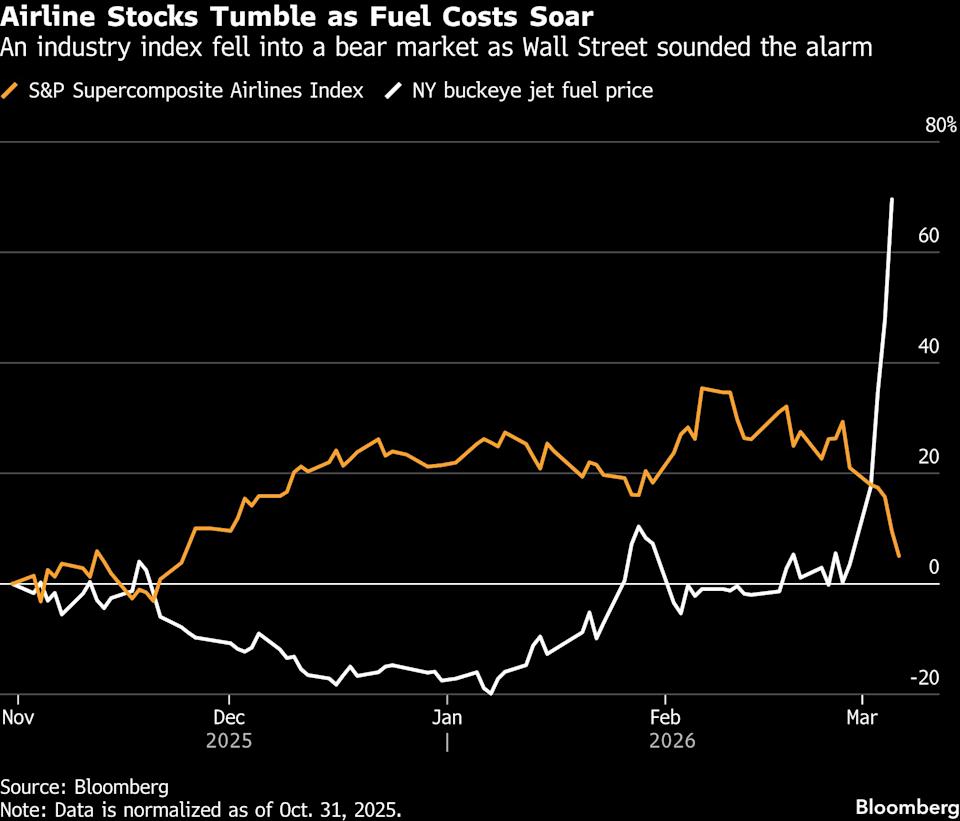
Airlines Face Bear Market as Oil Prices Present a ‘Critical’ Challenge
Trump Announces Defense Companies Will Increase Production of Certain Weapons Fourfold

Trending news
MoreCrypto prices
More





