
Dolphin Makes a Major Wager on NHL Expansion—Will It Catch the Momentum of Hockey-Fueled Media?

NHL's Growth Surge and Its Impact on Dolphin Entertainment
The NHL is currently experiencing a significant period of expansion, with increasing revenues and franchise valuations providing strong momentum for businesses connected to the league. For Dolphin Entertainment, this environment is especially important. The NHL anticipates generating approximately $6.8 billion in revenue this season, marking a 9% rise from last year. This financial upswing is reflected in team values, with the average franchise now valued at $2.2 billion—a 15% increase compared to the previous season. The Toronto Maple Leafs remain the league’s most valuable team for the third consecutive year, estimated at $4.4 billion. This is not a short-term spike; average team values have more than doubled since 2022, signaling sustained acceleration.
Historical Context and Media Rights Evolution
This pattern echoes previous shifts in sports media, such as the NBA’s rapid growth in the early 2000s and the NFL’s expansion through lucrative media contracts. The NHL is now following a similar trajectory, with major national media agreements fueling its rise. Notably, a recent 12-year Canadian rights deal valued at $7.79 billion and expectations for a doubling of U.S. rights in the next cycle are reminiscent of transformative deals from other leagues’ pasts.
Challenges and Opportunities for Dolphin Entertainment
For Dolphin, the main question is whether this growth can be maintained. History suggests that after a burst of new deals, growth often stabilizes. The NHL’s current momentum—driven by a new collective bargaining agreement, Olympic participation, and global initiatives—relies heavily on future media negotiations. The league’s salary cap is tied to hockey-related revenue, creating a cycle where higher media deals boost player salaries and, in turn, the league’s appeal. While this fuels expansion, it also creates dependencies that investors should monitor closely.
Dolphin’s Financial Progress and Strategic Moves
Dolphin Entertainment is shifting from a growth-focused narrative to one centered on profitability. In the third quarter of 2025, the company reported $14.8 million in revenue, a 16.7% increase year-over-year. More notably, Dolphin achieved positive GAAP operating income for the first time since its 2017 uplisting, driven entirely by organic growth—2025 marked the first year since its IPO without any acquisitions. The CEO described this as a pivotal year, with expectations for continued momentum into 2026.
To support this transition, Dolphin recently expanded its Miami office space, enabling growth across its subsidiaries. This expansion highlights a strategic emphasis on strengthening its core entertainment marketing and content production, especially in influencer marketing and integrated communications. The addition of key personnel, including a new Vice President of Sales and a Director-level talent manager, demonstrates Dolphin’s commitment to scaling efficiently in a rapidly growing market.
Market sentiment is highly positive, with analysts assigning a "Buy" rating and an average price target of $5.10—suggesting nearly 190% upside from the recent trading price of $1.77. This optimism reflects confidence in Dolphin’s ability to benefit from the NHL’s expansion, provided the company can sustain revenue growth and translate it into lasting profitability and free cash flow.
The Youngblood Remake: Dolphin’s Strategic Showcase
The recent premiere of the Youngblood remake in Los Angeles is more than just a film release—it’s a strategic move to capitalize on hockey’s rising cultural prominence. Dolphin is leveraging the sport’s heightened visibility to bring a niche property into the mainstream. The timing is intentional, coinciding with Olympic successes and the popularity of hockey-themed television, creating ideal conditions for fan engagement.
This film exemplifies Dolphin’s content strategy: reviving a 1986 cult sports drama with established recognition and targeted demographic appeal. By focusing on properties with built-in audiences, Dolphin can engage passionate fan bases while keeping marketing costs lower than launching entirely new intellectual property. The story, centered on a talented but troubled hockey player, resonates with the sport’s core themes and aligns with the NHL’s current growth. By updating the narrative for a new generation, Dolphin aims to attract both nostalgic fans and new viewers.
The premiere also serves as an early test of Dolphin’s ability to generate excitement and revenue. High-profile attendees, including LA Kings President Luc Robitaille and players Corey Perry and Erik Portillo, highlight the film’s integration with the hockey community. This cross-promotion is a key advantage of Dolphin’s collaborative model, using its marketing network to maximize reach. Recognition from The New York Times as a “What to Watch” pick further validates the film’s cultural relevance.
Ultimately, this event is a proving ground for Dolphin’s approach. If successful, it will demonstrate that the company’s blend of production, partnerships, and integrated marketing can convert the NHL’s momentum into tangible entertainment revenue—potentially serving as a template for future projects.
Key Drivers, Risks, and Outlook
Dolphin’s continued growth depends on several upcoming events and careful monitoring of market trends. The most immediate catalysts are the NHL’s participation in the 2026 Milan Olympics, which will provide global exposure and boost the sport’s media value, and the launch of the league’s new 12-year, $11 billion Canadian media rights deal. Together, these events are set to elevate hockey’s visibility and valuation, creating a strong foundation for Dolphin’s growth strategy.
However, history suggests caution. Previous surges in sports media have sometimes been followed by periods of adjustment, where expectations outpace actual revenue growth. The recent conversation about a possible WNBA work stoppage illustrates how rapid expansion can lead to labor disputes and value corrections. Investors should be alert for similar patterns within the NHL. If the league’s next media rights negotiations fall short of current high expectations, it could dampen the broader sports media growth story that Dolphin relies on.
For Dolphin, the main challenge is execution. The company has increased its operational capabilities, bringing in new leadership to its Miami office. The critical question is whether this expanded team can secure profitable contracts and maintain the company’s organic growth. The coming quarters will reveal if Dolphin’s collaborative model can scale effectively to capture a significant share of the rising hockey-related revenue. In summary, Dolphin’s push into hockey is a calculated bet on timing and execution. The catalysts are in place, risks are cyclical, and the company’s ability to deliver will determine whether this is a lasting growth phase or a temporary surge.
Disclaimer: The content of this article solely reflects the author's opinion and does not represent the platform in any capacity. This article is not intended to serve as a reference for making investment decisions.
You may also like
USD/CNH: Upside risks as strong fix meets USD demand – OCBC
Are you a young male who supported Trump and are now struggling to secure employment?

Plan surfaces for $166 billion in tariff reimbursements. However, don't expect it to happen soon.

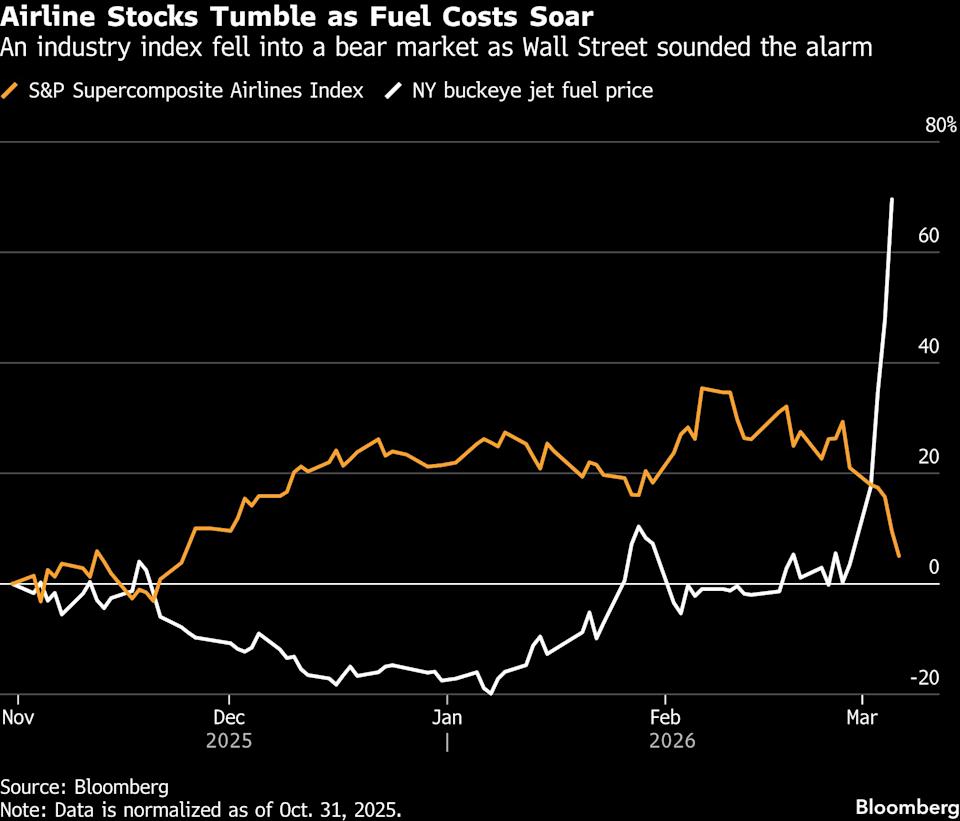
Airlines Face Bear Market as Oil Prices Present a ‘Critical’ Challenge
Trending news
MoreCrypto prices
More





