
The Dow plunges while gas prices surge as conflict and a disappointing jobs report unsettle the market

Geopolitical Tensions Hit Home: Markets React Sharply
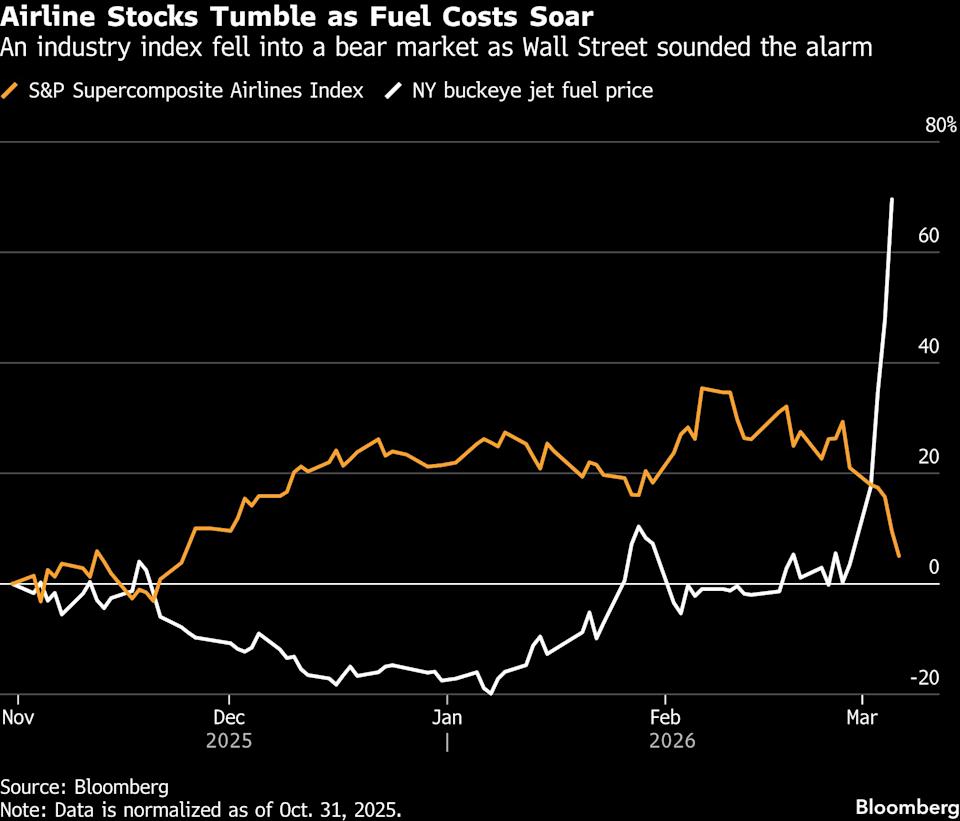
This week, global events have become impossible to ignore as their effects are felt at the gas pump and on financial markets. Gasoline prices experienced their steepest weekly increase since March 2022, while crude oil surged due to ongoing conflict in the Middle East that has disrupted the Strait of Hormuz. Airlines have suffered from escalating fuel expenses, and a disappointing jobs report on Friday intensified concerns, shifting fears from inflation to the threat of stagflation.
Market Downturn Accelerates
By the opening bell on Friday, the Dow Jones Industrial Average had dropped 2.1% for the week, putting it on track for its poorest weekly showing since October. The index then fell another 320 points after the February employment data revealed an unexpected loss of 92,000 jobs in the U.S. economy. The S&P 500 and Nasdaq also opened lower, down 0.9% and 1.44% respectively, just days after the S&P 500 erased all of its gains for 2026.
Investors entered the week focused on inflation, only to be confronted by mounting worries over economic growth.
Oil Prices Surge Amid Middle East Conflict
Oil has taken center stage in market conversations. On Friday, Brent crude surpassed $90 per barrel for the first time since April 2024, climbing 24% over the week. West Texas Intermediate soared nearly 30% to $87.46, marking the largest weekly gains since the early days of the COVID-19 pandemic in 2020.
The cause is both straightforward and geopolitically complex: The Strait of Hormuz, a critical passage for about 20% of the world’s oil, has been largely closed for a week following U.S. and Israeli military actions against Iran, which have triggered escalating conflict in the region. As a result, roughly 140 million barrels of oil remain stranded, unable to reach global markets.
Gas Prices Spike, Political Repercussions Loom
The impact on consumers was immediate. According to AAA, the national average price for regular gasoline jumped nearly 27 cents in a single week to $3.25 per gallon, the sharpest rise since March 2022. By Friday, the average had climbed to about $3.32. President Donald Trump responded to the increase by telling Reuters, “if they rise, they rise,” while the White House scrambled to contain the political fallout.
Stock Market Losses Concentrated in Key Sectors
The market’s losses have been uneven, with the Dow faring worse than the Nasdaq. On Thursday alone, the Dow plunged 784.67 points, or 1.61%. Sectors such as industrials, materials, and healthcare each declined by over 2%. Airline stocks were hit especially hard, with the passenger-airlines group dropping 5.4% and Southwest Airlines losing 6.9%. Financial giants like JPMorgan and Goldman Sachs also dragged the blue-chip index lower.
Technology and energy stocks offered some relief—Chevron advanced 3.9%, and Broadcom rose 4.8%—helping the Nasdaq maintain modest weekly gains even as broader market sentiment soured.
The Federal Reserve Faces New Challenges
Monetary policy concerns added to the week’s volatility. Before Friday’s employment report, traders had reduced the likelihood of a June interest rate cut to 35% as oil prices rekindled inflation fears. After the disappointing jobs numbers, those odds rebounded to about 49%. The yield on the 10-year Treasury note slipped two basis points to approximately 4.125% following the jobs report, but remained up 16 basis points for the week—the largest weekly increase since April 2025. The week’s developments can be summed up as rising energy costs, slowing job growth, and a Federal Reserve facing multiple urgent issues.
War’s Impact Moves from Headlines to Everyday Life
While Wall Street often treats international conflict as background noise, this week’s events have made their presence felt in everyday indicators: higher gas prices, falling airline stocks, and shifts in the bond market. The consequences are now visible in consumers’ wallets, investor sentiment, and the patience of bondholders. The realities of war are no longer distant—they are now reflected in the Dow and, soon, in every sector dependent on fuel.
Disclaimer: The content of this article solely reflects the author's opinion and does not represent the platform in any capacity. This article is not intended to serve as a reference for making investment decisions.
You may also like
USD/CNH: Upside risks as strong fix meets USD demand – OCBC
Are you a young male who supported Trump and are now struggling to secure employment?
Plan surfaces for $166 billion in tariff reimbursements. However, don't expect it to happen soon.
Airlines Face Bear Market as Oil Prices Present a ‘Critical’ Challenge
Trending news
MoreCrypto prices
More





