
Johnson & Johnson, holding the 55th position in trading volume, manages legal resolutions and FDA advancements while recording a 0.32% increase

Market Overview
On March 6, 2026, Johnson & Johnson (JNJ) ended the trading session up by 0.32%, even as trading volume dropped sharply by 23.84% to $1.70 billion, placing it 55th among peers. This modest price uptick, set against a backdrop of lower liquidity, points to a market divided between optimism over clinical progress and caution due to ongoing legal issues. The healthcare sector’s reputation as a safe haven during economic uncertainty may have helped counterbalance worries about the company’s recent antitrust settlement.
Main Influences
Legal Developments and Reputation Concerns
Subsidiaries of JNJ, including Actelion Pharmaceuticals and Janssen Research & Development, have agreed to pay $65 million to settle an antitrust case related to Tracleer, a treatment for pulmonary hypertension. The lawsuit accused the company of limiting access to samples, thereby delaying generic competition and affecting both patient access and market dynamics. Although JNJ has not admitted any fault, the settlement—which covers sales from 2015 to 2024 across 31 states, Washington D.C., and Puerto Rico—underscores the company’s ongoing legal scrutiny. The requirement for court approval introduces further uncertainty, which could impact investor trust in JNJ’s regulatory compliance and business approach.
FDA Greenlights New Myeloma Treatment
Offsetting some of the legal pressures, the FDA has approved JNJ’s combination of Tecvayli and Darzalex Faspro for patients with relapsed or refractory multiple myeloma. Results from the MajesTEC-3 trial showed an impressive 83% progression-free survival rate at three years, significantly outperforming existing therapies. This approval not only reinforces JNJ’s leadership in blood cancer treatments but also broadens its market opportunities. Analysts have highlighted the therapy’s lower toxicity, which may lead to better patient retention and adherence.
Analyst Target Price Revisions
Financial analysts have responded positively to JNJ’s recent developments by raising their price targets. JPMorgan increased its projection to $250 from $225, citing strong results from Tremfya in treating inflammatory bowel disease. Similarly, BofA’s Jason Gerberry lifted his target to $253 from $227, factoring in improved revenue forecasts for Tecvayli and Inlexzo, as well as the potential for longer Darzalex treatment durations. Despite these upward revisions, the consensus remains cautious, with 13 analysts rating the stock a “Buy” and 7 recommending “Hold” out of 20 surveyed. This reflects a careful balance between short-term legal risks and the company’s long-term growth prospects in key therapeutic areas.
Broader Economic and Sector Trends
JNJ’s recent performance has also been shaped by wider market forces. Weak employment data in the U.S. and ongoing geopolitical tensions have prompted investors to favor defensive sectors such as healthcare, energy, and consumer staples. JNJ’s reliable cash flow and diversified business model have made it a preferred choice during periods of economic instability. However, challenges such as job cuts and labor strikes in the healthcare sector, including those at Kaiser Permanente, have raised questions about the industry’s overall stability. Nevertheless, JNJ’s dual focus on pharmaceuticals and medical technology, along with its consistent dividend payments, continue to make it a resilient option in uncertain times.
Strategic Outlook and Investor Perspective
The intersection of legal, clinical, and macroeconomic factors has created a complex landscape for JNJ. While the Tracleer settlement highlights ongoing regulatory and reputational challenges, recent FDA approvals and analyst upgrades underscore the company’s capacity for innovation and growth. The modest share price gain, despite a notable drop in trading volume, suggests investors are weighing these competing influences carefully. With the settlement still awaiting judicial approval and continued emphasis on research and development, JNJ’s future will depend on its ability to navigate legal obligations while advancing its therapeutic pipeline. For now, the company remains a prominent force in healthcare, relying on sector resilience and strategic innovation to sustain market confidence.
Disclaimer: The content of this article solely reflects the author's opinion and does not represent the platform in any capacity. This article is not intended to serve as a reference for making investment decisions.
You may also like
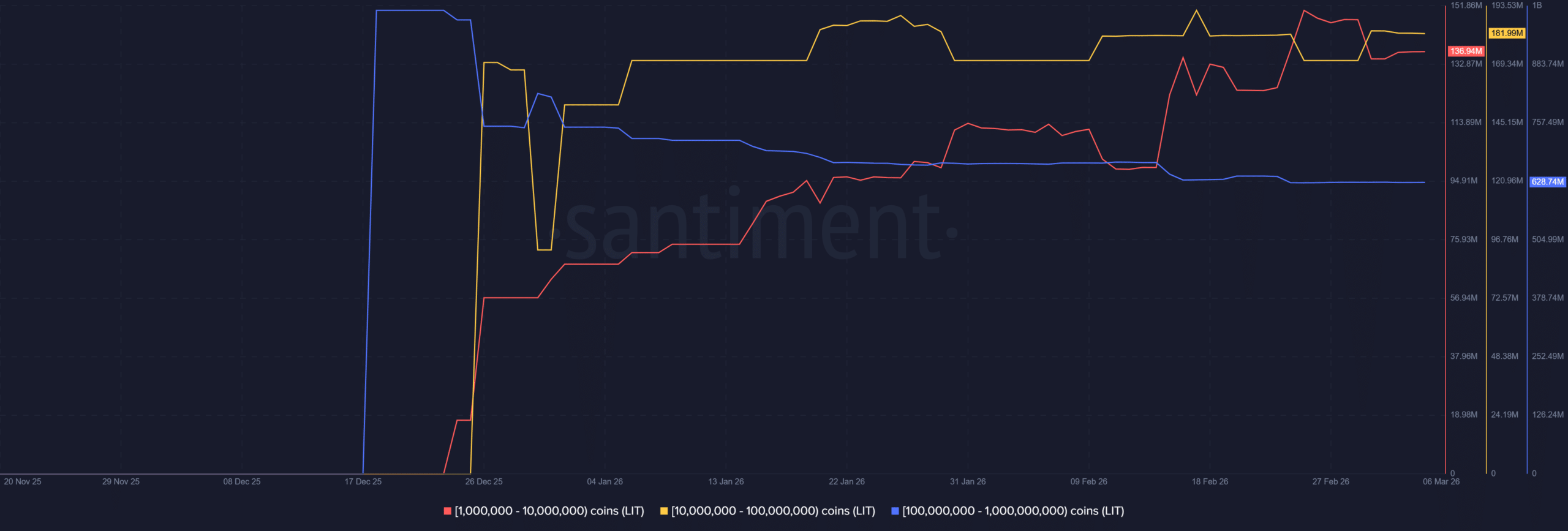
Liquidity shock? LIT drops 16% after Justin Sun pulls funds from Lighter
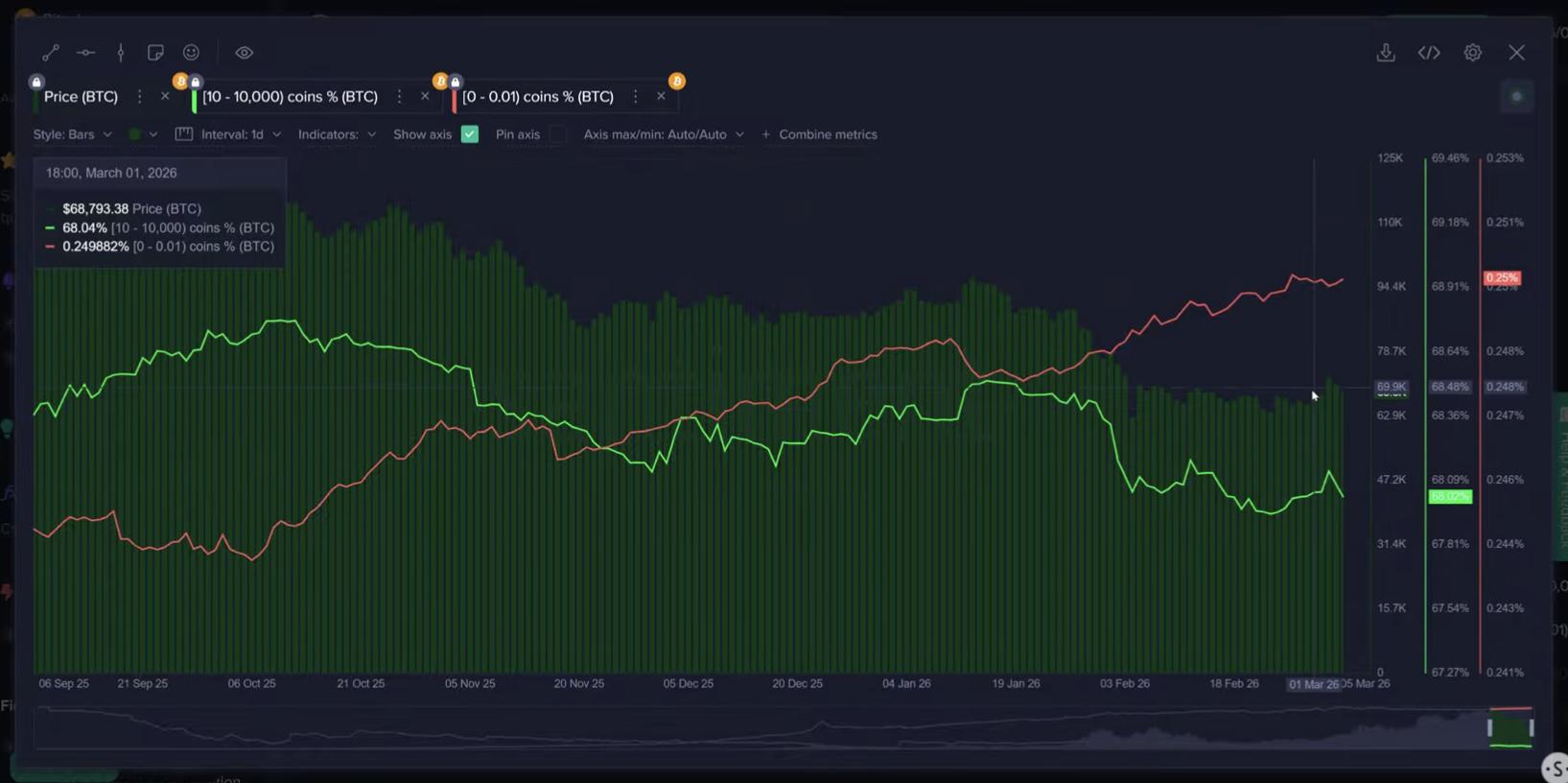
Bitcoin dip may not be over as retail ramps up buying below $70K: Santiment
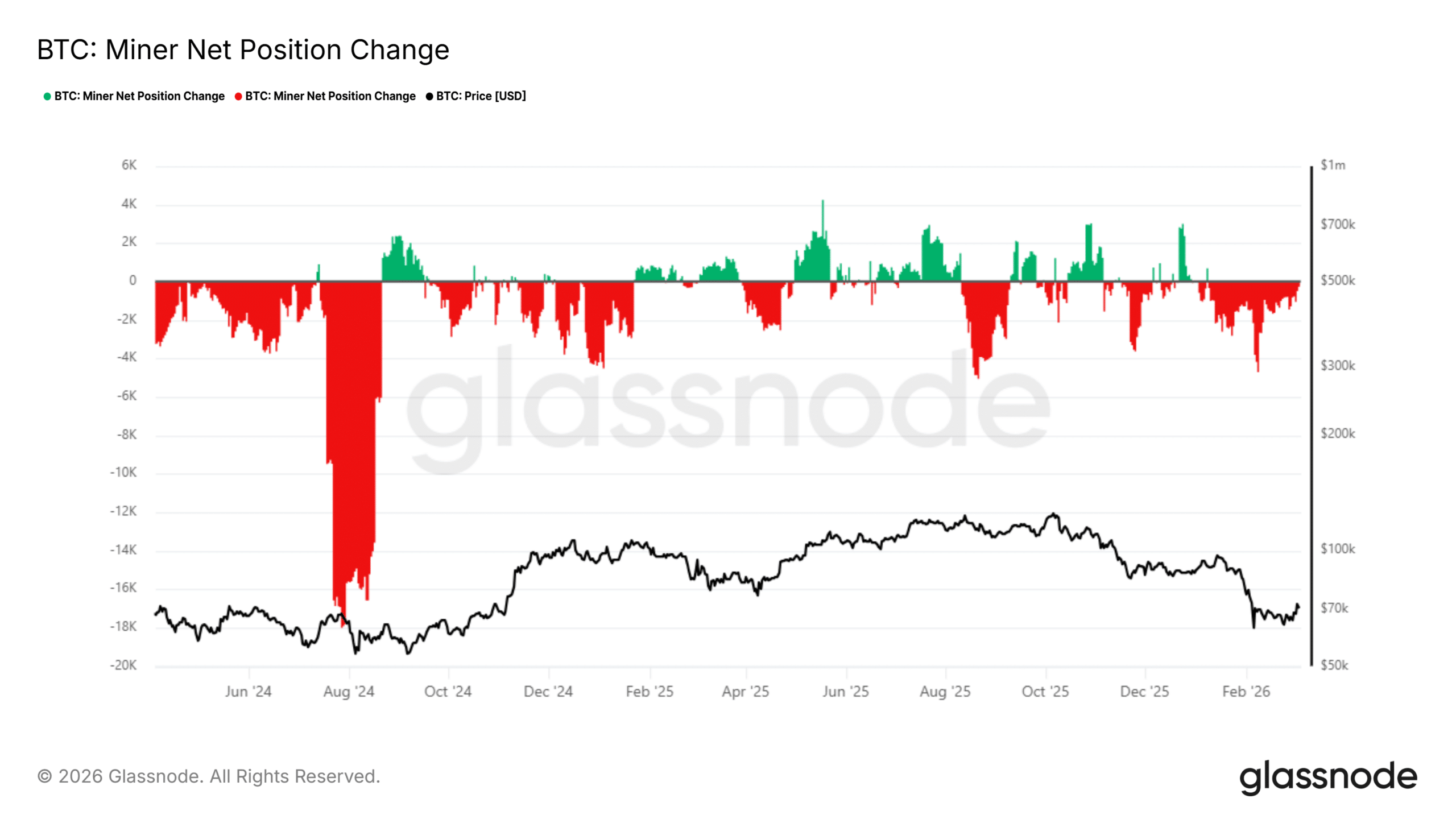
CleanSpark and Bitcoin miners’ selling spree – Is the miner HODL era ending?
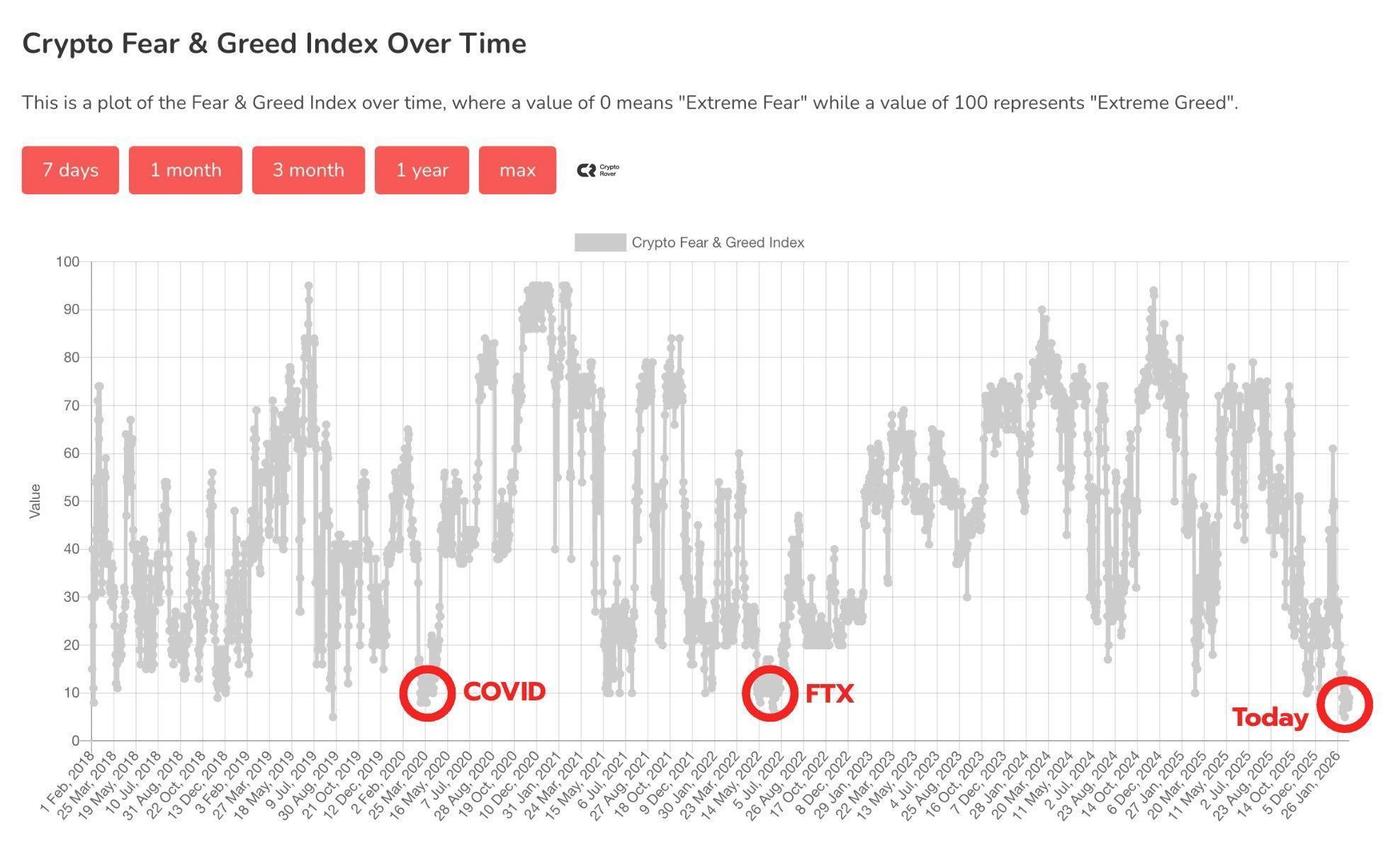
Bitcoin’s $70K bull-bear battle: How FOMO could tip BTC’s scales
Trending news
MoreCrypto prices
More





