
In Charts: The Impact of the Iran Crisis on International Trade

Global Trade Faces Major Disruptions Amid Gulf Conflict
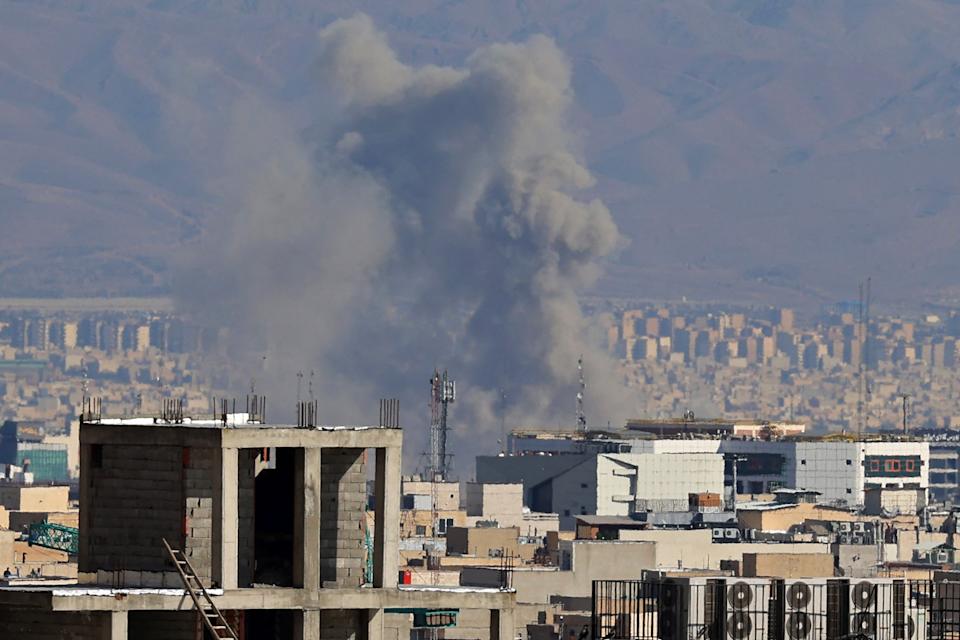
Photo credit: ATTA KENARE/AFP
Oil Tankers Vanish as Tensions Escalate
On the evening of March 1, an oil tanker switched off its tracking device roughly 25 kilometers east of Sharjah, vanishing into the signal-cluttered waters of the Strait of Hormuz—the vital passage connecting the Persian Gulf to the open sea. Ten hours later, the vessel reappeared on tracking systems north of Abu Dhabi, en route to Bahrain.
Shipping Activity Plummets in the Strait of Hormuz
Since the US and Israel initiated airstrikes against Iran last Saturday, followed by Iran’s retaliatory drone and missile attacks, only a few ships have dared to traverse the strait. Bloomberg’s review of shipping data from March 1 to March 6 reveals that commercial vessel movement in the area has plunged by over 85% compared to the same period last year. Notably, about 20% of these journeys occurred with ships’ identification systems deliberately turned off.
Top Stories
Ripple Effects on Markets and Supply Chains
Just one week into the conflict, the repercussions for global commerce are already severe. Shipping and aviation disruptions are sending shockwaves through markets, causing spikes in fuel and fertilizer prices. As attacks and closures hit some of the world’s busiest logistics centers, further instability is expected to spread throughout international trade networks.
Key Logistics Hubs Under Strain
The United Arab Emirates and Qatar serve as major crossroads for both sea and air freight, facilitating the movement of goods between Asia, Europe, and Africa. These countries’ ports, free-trade zones, and sprawling warehouse complexes—especially those near Dubai’s bustling airport—are central to global supply chains. The International Humanitarian City, located near Dubai’s airport, acts as a critical hub for international aid and hosts organizations like the World Health Organization.
“This situation is unusual because it affects both a maritime bottleneck and a key intermodal transport center,” explained Sarah Schiffling, assistant professor at the Hanken School of Economics in Finland. “When a hub is disrupted in a hub-and-spoke system, the entire network feels the impact.”
Flight Cancellations Compound the Crisis
By Wednesday, over 27,000 flights in the region had been scrapped, stranding both travelers and cargo. While some airlines, such as Emirates, have begun to restore services, the disruption remains widespread.
Air Freight and Supply Shortages
A significant portion of air cargo is transported in the holds of passenger planes. Although air freight volumes are lower than those of shipping, planes typically carry high-value or perishable goods—such as food, flowers, and pharmaceuticals—that cannot withstand long delays. The collapse of passenger air travel during the Covid-19 pandemic previously led to a sharp reduction in cargo capacity and soaring air freight rates.
Energy Markets React to the Conflict
The most immediate economic fallout has been seen in energy prices. The Strait of Hormuz is a conduit for about 20% of the world’s oil and liquefied natural gas. Recent drone and missile attacks have targeted energy infrastructure throughout the region. Exporters are seeking alternative routes, and some have shut down refineries as storage facilities reach capacity.
On March 6, Brent crude oil surpassed $90 per barrel for the first time in two years, and LNG prices hit their highest levels in three years. Should the conflict drag on—especially with US President Donald Trump insisting on “unconditional surrender”—analysts warn that oil prices could climb above $100 per barrel.
Soaring energy costs are unsettling global markets and driving up fuel prices for consumers, particularly in the US, where policymakers are scrambling to address the domestic fallout.
Fertilizer and Food Security at Risk
Rising energy prices are also pushing up costs for industries and consumers, with agriculture especially vulnerable. Roughly one-third of the world’s fertilizer trade passes through the Strait of Hormuz, and natural gas is a key ingredient in fertilizer production. As a result, fertilizer manufacturers worldwide have scaled back output, causing prices to rise and prompting farmers to stockpile supplies ahead of crucial planting seasons.
If the conflict persists, reduced fertilizer use could lead to lower crop yields, particularly in poorer nations, raising the risk of humanitarian crises. Tim Benton, a food security expert at Leeds University, warns that if farmers are unable to apply fertilizer before the next planting season, “the impact on harvests in the southern hemisphere next year could be dramatic.”
Long-Term Consequences for Global Supply Chains
Experts interviewed by Bloomberg agree that regardless of how long the conflict lasts, its effects will be deep and enduring, with unpredictable outcomes. Higher energy costs in Asia—the main destination for Gulf energy exports—could drive up consumer goods prices in Europe, while shipping delays may increase inventory expenses or disrupt manufacturing processes.
“Even if your business isn’t directly affected, disruptions can cascade through your suppliers’ networks,” Schiffling noted. “Because supply chains are interconnected globally, the ripple effects will be felt worldwide.”
Reporting contributed by Agnieszka de Sousa.
More Top Reads from Bloomberg Businessweek
©2026 Bloomberg L.P.
Disclaimer: The content of this article solely reflects the author's opinion and does not represent the platform in any capacity. This article is not intended to serve as a reference for making investment decisions.
You may also like
Google has recently awarded Sundar Pichai a compensation package worth $692 million

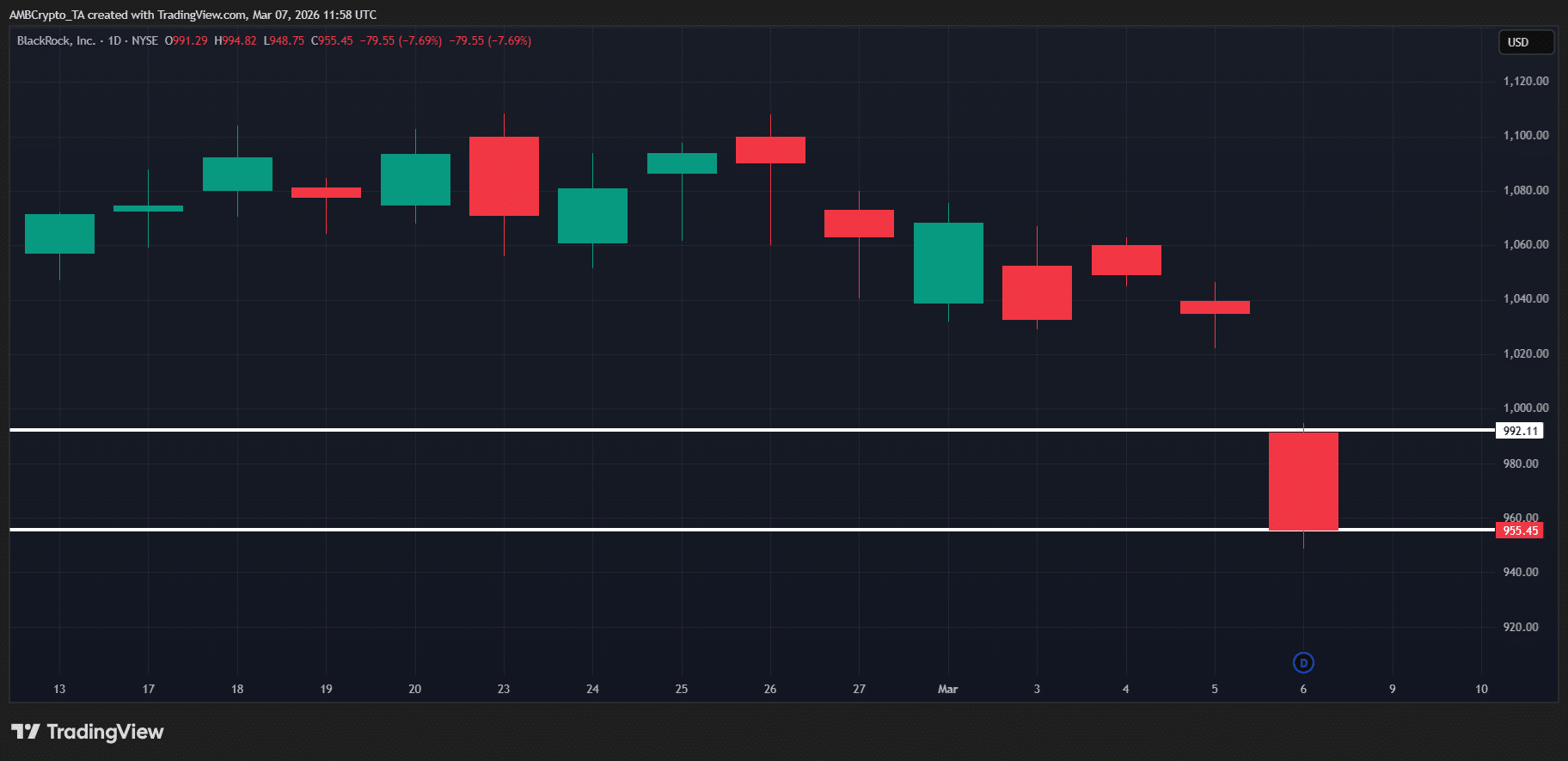
$1.2B liquidity warning – How BlackRock could ‘rock’ the crypto market
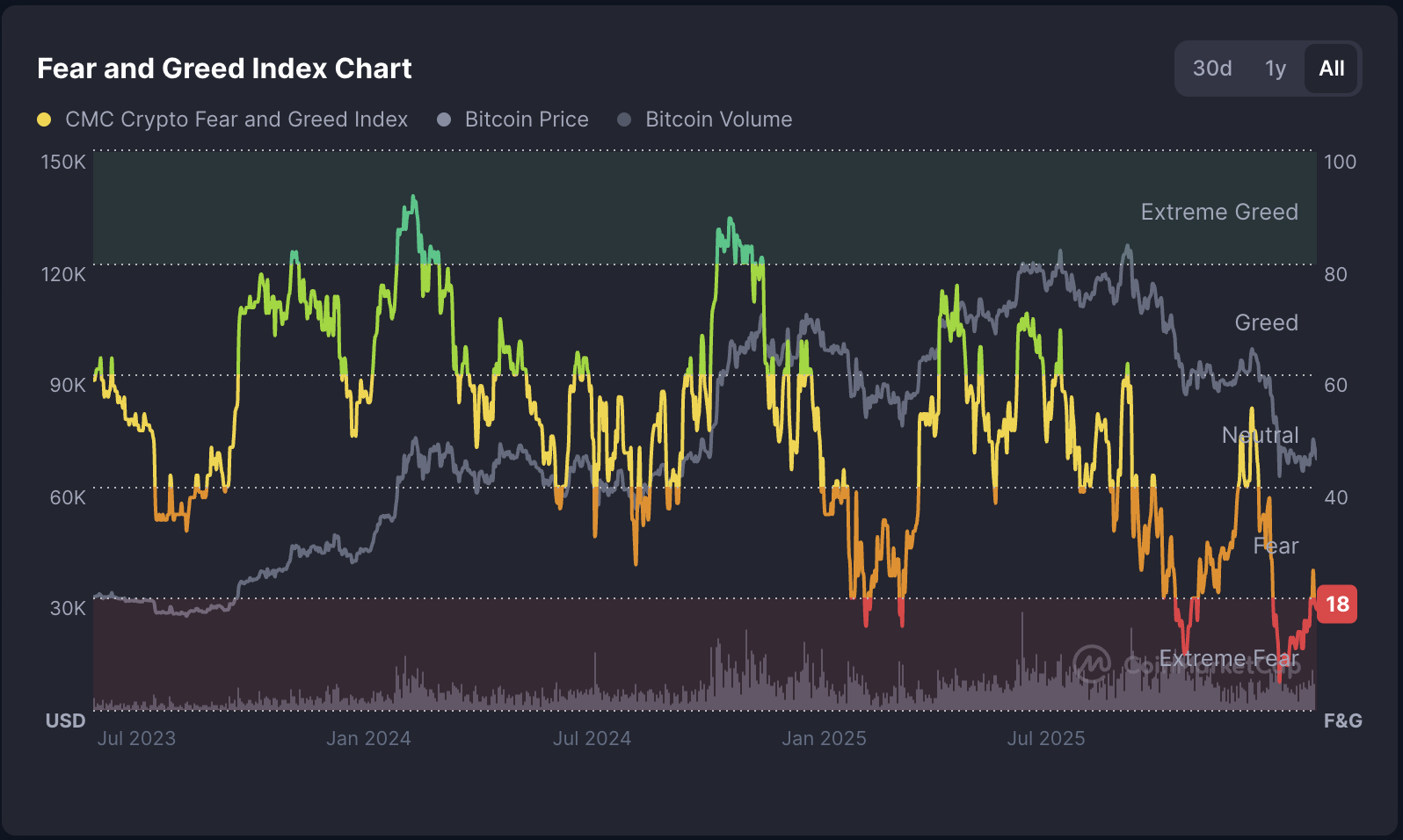
Crypto Fear and Greed Index falls back down to 'extreme fear' levels
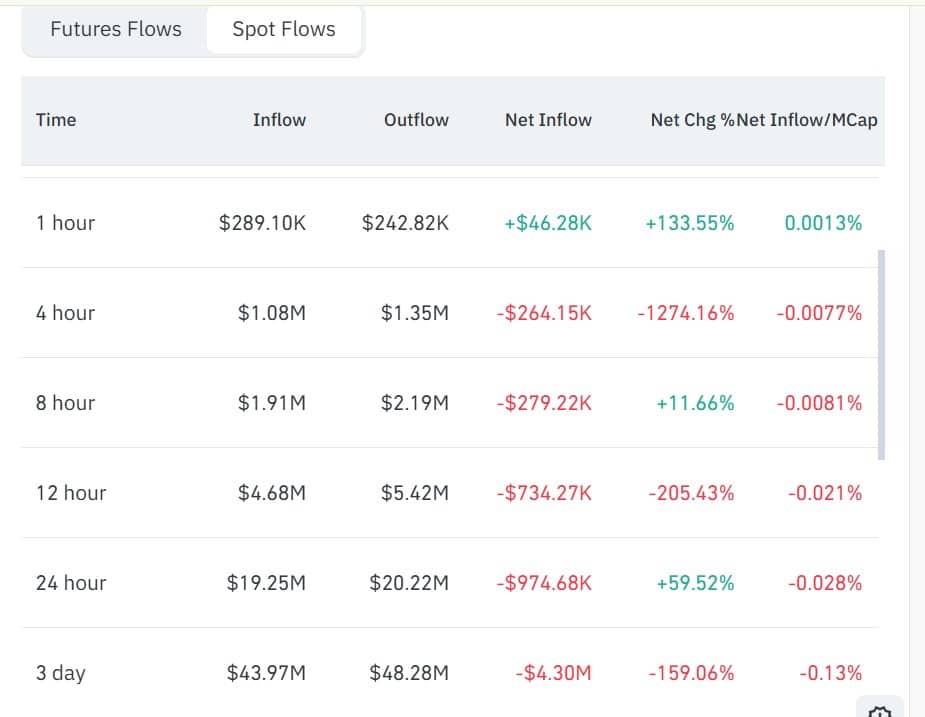
Assessing if Zcash’s $200 support is at risk after ZEC falls by 8%
Trending news
MoreCrypto prices
More





