
Oil prices surge above $100 per barrel amid intensifying conflict in Iran

Oil Prices Soar Amid Middle East Conflict
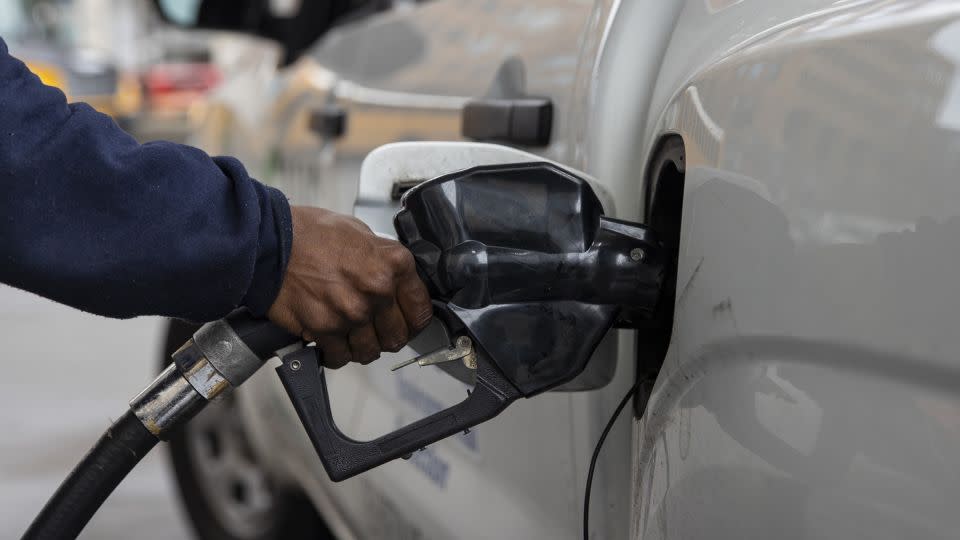
A man fills up his car at a New York City gas station on March 4, 2026. (Photo: Mostafa Bassim/Anadolu/Getty Images)
On Sunday, oil prices surged above $100 per barrel, marking the first time this threshold has been crossed since Russia invaded Ukraine in 2022.
Former President Donald Trump responded to the spike in oil prices on social media, describing the increased costs as a “very small price to pay.”
Trump wrote on Truth Social, “Short-term oil prices—which will quickly fall once the Iranian nuclear threat is eliminated—are a minor cost for ensuring safety and peace for the United States and the world. ONLY FOOLS WOULD THINK DIFFERENTLY!”.
Market Reactions and Global Concerns
Oil futures and gasoline prices have climbed sharply as investors worry that the ongoing conflict in Iran could result in long-term disruptions to global oil supplies. The situation has intensified as the fighting has expanded to other Middle Eastern nations, including attacks on oil refineries in the region.
Iran has issued warnings that it may target any oil tanker passing through the Strait of Hormuz—a critical passageway for 20% of the world’s oil shipments.
US oil futures jumped 18%, reaching approximately $108 per barrel, the highest since July 2022. At one point on Sunday evening, US crude briefly touched $110 per barrel.
Brent crude, the international standard, also rose 16%, nearing $108 per barrel.
According to Homayoun Falakshahi, lead crude research analyst at Kpler, oil prices could climb as high as $150 per barrel by the end of March if shipping through the strait remains blocked.
Economic Impact
The rapid increase in oil prices has put significant pressure on stock markets, with concerns that sustained high fuel costs could trigger another wave of inflation and negatively affect the economy. Dow futures fell by more than 800 points, or 1.7%, while S&P 500 and Nasdaq futures each dropped 1.6%.
Following the initial strikes in Iran on February 28, the average price of gasoline in the US rose to $3.45 per gallon on Sunday, a 16% increase from the previous week, according to AAA.
If oil and gas prices remain elevated, it could worsen affordability issues for Americans and create political challenges for Trump and the Republican Party ahead of the upcoming midterm elections.
Efforts to Stabilize Prices
The Trump administration sought to reassure the public on Sunday, stating that the US and Israeli-led military actions against Iran would not have lasting effects on fuel prices.
Officials announced plans to provide insurance for oil tankers navigating the strait after maritime insurers refused coverage for vessels in the conflict zone. The White House also mentioned efforts to arrange naval escorts for ships, but no concrete plan has been established, and many shipping companies remain reluctant to enter the area while hostilities continue.
“Our shipping analysts believe the administration’s measures may help somewhat, but they are insufficient on their own,” Falakshahi commented. “A significant reduction in tensions is needed for the market to stabilize.”
Escalating Tensions and Global Response
A senior Iranian official stated Sunday that the conflict has entered a “new phase” after Israeli strikes on Iranian oil storage facilities, hinting that Iran may retaliate against regional energy infrastructure in the near future.
The official emphasized, “Iran will maintain control over the Strait of Hormuz until its objectives are met.”
As a result, oil producers are running out of storage capacity, forcing many to scale back production.
During an appearance on CNN’s “State of the Union,” Energy Secretary Chris Wright said the US does not intend to target Iran’s oil sector or other energy facilities. However, Iranian oil remains under heavy sanctions, with China as its primary buyer.
This article has been updated with new information.
Reporting contributed by Kate Trafecante, Fred Pleitgen, Kit Maher, and Maureen Chowdhury.
Disclaimer: The content of this article solely reflects the author's opinion and does not represent the platform in any capacity. This article is not intended to serve as a reference for making investment decisions.
You may also like
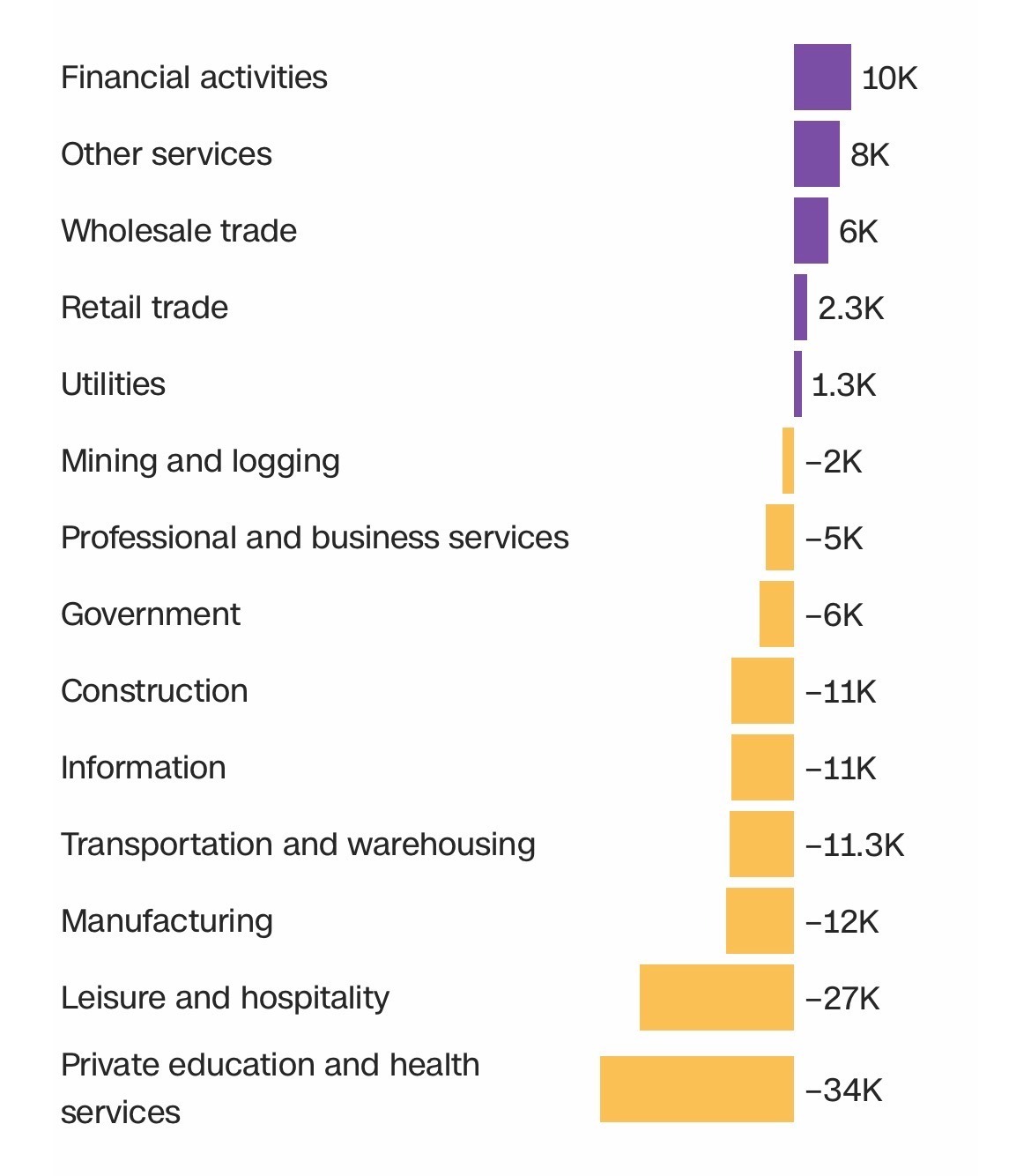
Finance job openings at 2012 levels, US lost 92K jobs last month
Why Monero (XMR) Price Is Down Today: Key Drivers Explained
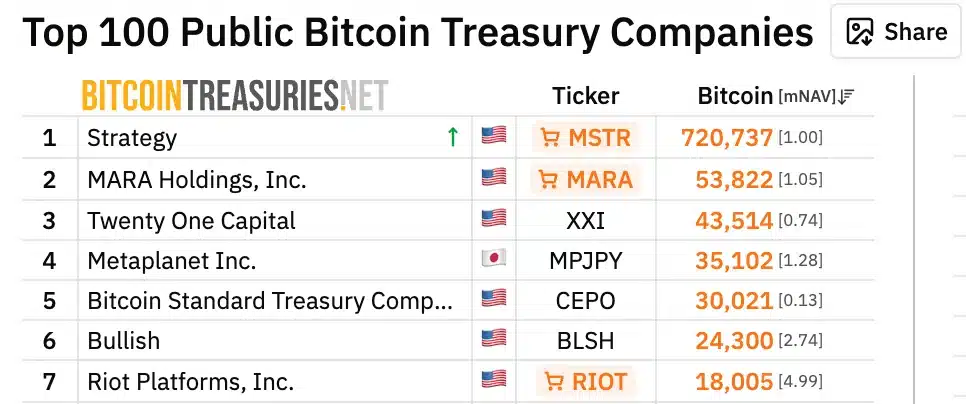
Crypto stocks sink, Bitcoin holds $67K: 2022 warning signs flash again
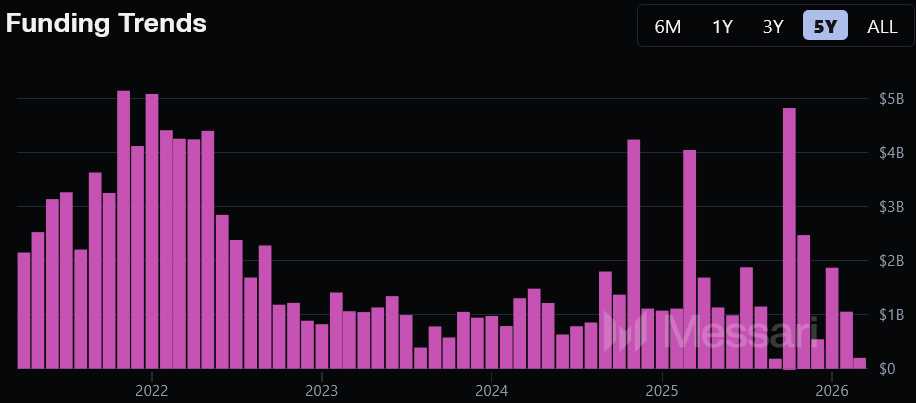
Crypto funding up 50% in 12 months as fewer, larger deals dominate
Trending news
MoreCrypto prices
More





