
Crop Prices Surge Amid Conflict Disrupting Trade and Threatening Supply Constraints

Global Agricultural Markets React to Middle East Tensions
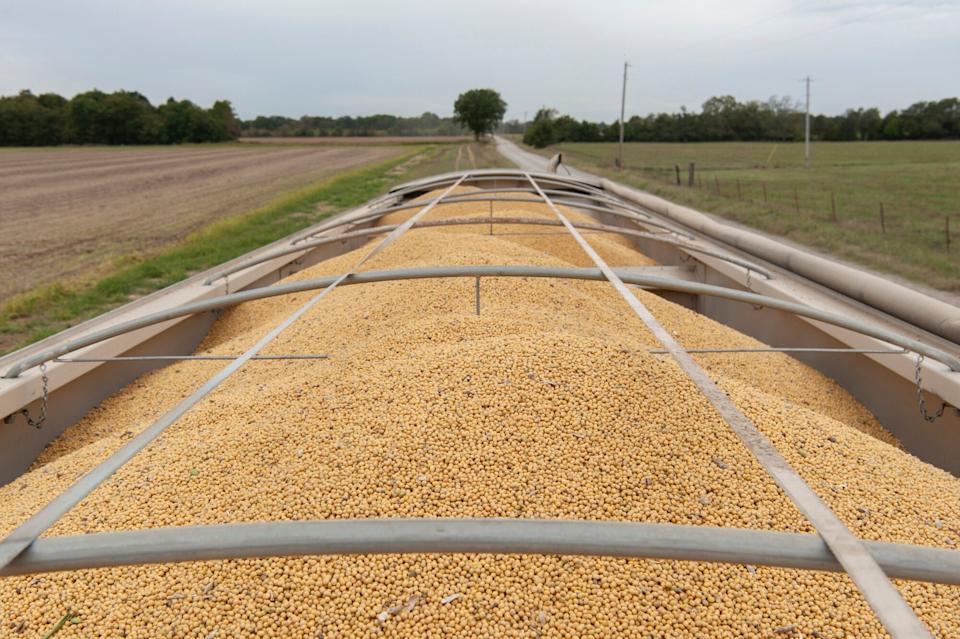
Amid escalating conflict in the Middle East, soybean oil prices soared over 4%, while wheat approached its highest level in nearly two years. The ongoing unrest has led to increased energy and fertilizer expenses, raising concerns about tighter supplies across the agricultural sector.
In Chicago, soybean oil futures surged by as much as 4.9%, marking their eleventh consecutive day of gains—the longest streak since 2008. The rally was fueled by disruptions in fuel supply, which have heightened demand for crops used in biofuel production. These agricultural price increases mirrored the jump in crude oil, which surpassed $100 per barrel after major Gulf producers reduced output and the Strait of Hormuz remained largely inaccessible.
Top Stories from Bloomberg
Wheat futures climbed over 3%, following their largest single-day gain since 2024 last Friday. Corn prices rose nearly 2%, and soybeans also advanced. The conflict involving the US, Israel, and Iran has disrupted fertilizer shipments and increased shipping expenses, providing additional support to grain prices.
According to Joe Davis, a director at Futures International, “Grain and oilseed markets are closely tracking energy prices as the week begins. Any further escalation in the conflict with Iran will likely continue to drive agricultural commodities.”
On Monday, China also saw significant increases in vegetable oil and meal prices. The most traded soybean meal futures on the Dalian Commodity Exchange surged up to 6% to reach 3,066 yuan per ton, while palm oil hit its daily trading limit. Similar gains were observed for rapeseed oil and meal in Zhengzhou.
The sharp rise in crude oil has sparked concerns about accelerating global inflation, unsettling broader financial markets.
Davis added, “American consumers may quickly feel the impact at gas stations, and if shipping and fertilizer costs stay high, food prices could also rise. While most farmers have already secured prices or purchased supplies for 2026, the real challenge may come next year if the Strait of Hormuz remains closed.”
Bloomberg Businessweek Most Popular
©2026 Bloomberg L.P.
Disclaimer: The content of this article solely reflects the author's opinion and does not represent the platform in any capacity. This article is not intended to serve as a reference for making investment decisions.
You may also like
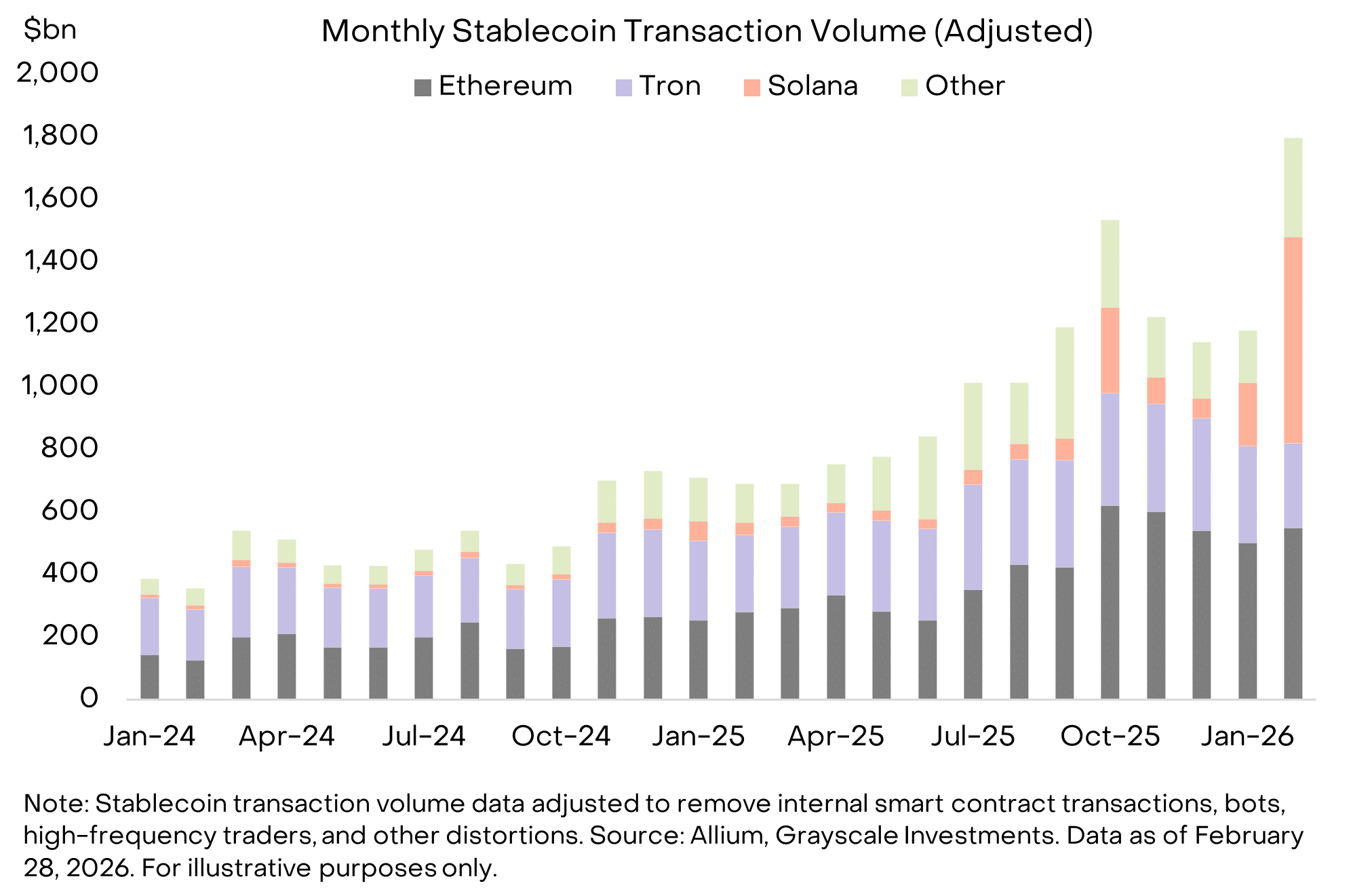
Solana transfers $650B in stablecoins – Liquidity flows away from Ethereum
Analysts Predict Explosive XRP Rally to $10–$1,700 if History Repeats
USD/INR hits new record highs amid ongoing Iran conflict
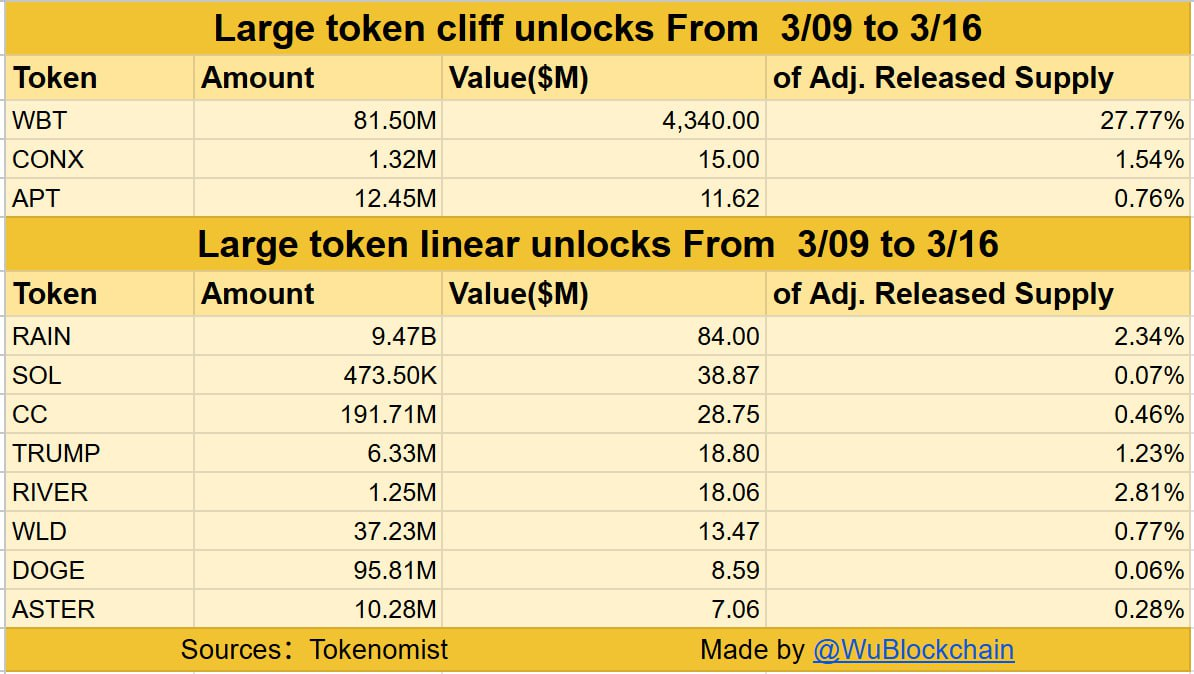
Crypto Supply Surge Ahead as $4.58B in Tokens Unlock This Week
Trending news
MoreCrypto prices
More





