
AAPL Sitting in a Tight Range (Mar 9 Setup)

By:TradingView
What I’m Seeing on the 15m Chart with GEX
I was looking over AAPL tonight and the price action is actually pretty interesting when I put the 15-minute structure together with the GEX map. At first glance the chart just looks like sideways chop, but once I line it up with the options positioning, the behavior starts to make a lot more sense.
So here’s how I’m personally reading this chart going into the Mar 9 session.
What I’m Noticing on the 15-Minute Structure
When I zoom out on the 15-minute chart, the first thing I notice is that AAPL had a sharp drop earlier in the session, followed by a bounce and then a long period of consolidation.
After that drop, price started forming something that looks like a compression triangle. The highs are gradually coming down while the lows are slowly rising.
To me that usually signals the market is building energy for the next move rather than trending immediately.
Right now price is hovering around 256–257, which is basically the middle of that compression zone.
The candles are small and momentum is fading, which usually means traders are waiting for a catalyst or a key level to break.
The Liquidity Events That Stood Out
There are two liquidity events on the chart that caught my attention.
First, earlier in the session AAPL swept liquidity above the prior highs before reversing. That kind of move often traps breakout traders.
Then later in the day we saw a sweep below the lows, which quickly reversed and bounced.
When I see both sides of liquidity getting taken like that, it usually means the market is clearing stops before choosing direction.
That’s another reason I think the current structure is more about compression than trend.
Where GEX Starts Explaining the Behavior
When I pulled up the GEX map, the levels lined up pretty well with what the chart was doing.
The main levels I’m paying attention to are:
260 — strongest positive gamma / call resistance 265 — major call wall above 255 — near-term support area 250 — strongest put support below
When I compare those levels to the price structure, it becomes pretty clear why AAPL has been stuck in this range.
Why I Think AAPL Keeps Failing Near 260
The 260 zone stands out on the options map as the highest positive gamma area.
Whenever price gets close to strong call gamma, dealers often hedge by selling stock against call exposure.
That hedging pressure can act like a ceiling.
So when AAPL approaches that area, it makes sense that price struggles to push higher.
That’s likely one of the reasons the upside has been limited recently.
Why Price Is Stabilizing Around 256
Right now AAPL is basically sitting between two dealer zones.
Above price 260 → strong call resistance
Below price 255 → near-term support
When price sits between those zones, the market usually enters what I think of as a gamma compression environment.
In that environment:
Volatility drops Candles get smaller Price drifts sideways
That’s pretty much exactly what the chart is showing.
The Levels I’m Personally Watching for Mar 9
260 is the big resistance level for me.
If price pushes into that zone again, I’ll be watching closely to see whether the call wall holds or breaks.
255 is the short-term support that has been stabilizing price.
If that level breaks cleanly, the next downside pocket could open pretty quickly.
250 is the strongest put support on the map.
If the market moves down there, I’d expect buyers to show up.
How I’m Thinking About Possible Moves
If AAPL can reclaim 260, the market might try to run toward the 265 call wall.
If that happens, dealer hedging could actually accelerate the upside move.
But if 255 breaks, the chart structure changes quickly.
Below that level there isn’t much gamma support until around 250, which could allow selling pressure to speed up.
What I’m Taking From This Setup
What stands out to me here is how well the price structure lines up with the options positioning.
The liquidity sweeps explain the traps earlier in the session, while the gamma levels explain why price is now stuck in a tight range.
Right now AAPL feels like it’s coiling between dealer levels, and whichever side breaks first will probably determine the next directional move.
That’s what I’ll be watching going into the Mar 9 session.
I was looking over AAPL tonight and the price action is actually pretty interesting when I put the 15-minute structure together with the GEX map. At first glance the chart just looks like sideways chop, but once I line it up with the options positioning, the behavior starts to make a lot more sense.
So here’s how I’m personally reading this chart going into the Mar 9 session.
What I’m Noticing on the 15-Minute Structure
When I zoom out on the 15-minute chart, the first thing I notice is that AAPL had a sharp drop earlier in the session, followed by a bounce and then a long period of consolidation.
After that drop, price started forming something that looks like a compression triangle. The highs are gradually coming down while the lows are slowly rising.
To me that usually signals the market is building energy for the next move rather than trending immediately.
Right now price is hovering around 256–257, which is basically the middle of that compression zone.
The candles are small and momentum is fading, which usually means traders are waiting for a catalyst or a key level to break.
The Liquidity Events That Stood Out
There are two liquidity events on the chart that caught my attention.
First, earlier in the session AAPL swept liquidity above the prior highs before reversing. That kind of move often traps breakout traders.
Then later in the day we saw a sweep below the lows, which quickly reversed and bounced.
When I see both sides of liquidity getting taken like that, it usually means the market is clearing stops before choosing direction.
That’s another reason I think the current structure is more about compression than trend.
Where GEX Starts Explaining the Behavior
When I pulled up the GEX map, the levels lined up pretty well with what the chart was doing.
The main levels I’m paying attention to are:
260 — strongest positive gamma / call resistance 265 — major call wall above 255 — near-term support area 250 — strongest put support below
When I compare those levels to the price structure, it becomes pretty clear why AAPL has been stuck in this range.
Why I Think AAPL Keeps Failing Near 260
The 260 zone stands out on the options map as the highest positive gamma area.
Whenever price gets close to strong call gamma, dealers often hedge by selling stock against call exposure.
That hedging pressure can act like a ceiling.
So when AAPL approaches that area, it makes sense that price struggles to push higher.
That’s likely one of the reasons the upside has been limited recently.
Why Price Is Stabilizing Around 256
Right now AAPL is basically sitting between two dealer zones.
Above price 260 → strong call resistance
Below price 255 → near-term support
When price sits between those zones, the market usually enters what I think of as a gamma compression environment.
In that environment:
Volatility drops Candles get smaller Price drifts sideways
That’s pretty much exactly what the chart is showing.
The Levels I’m Personally Watching for Mar 9
260 is the big resistance level for me.
If price pushes into that zone again, I’ll be watching closely to see whether the call wall holds or breaks.
255 is the short-term support that has been stabilizing price.
If that level breaks cleanly, the next downside pocket could open pretty quickly.
250 is the strongest put support on the map.
If the market moves down there, I’d expect buyers to show up.
How I’m Thinking About Possible Moves
If AAPL can reclaim 260, the market might try to run toward the 265 call wall.
If that happens, dealer hedging could actually accelerate the upside move.
But if 255 breaks, the chart structure changes quickly.
Below that level there isn’t much gamma support until around 250, which could allow selling pressure to speed up.
What I’m Taking From This Setup
What stands out to me here is how well the price structure lines up with the options positioning.
The liquidity sweeps explain the traps earlier in the session, while the gamma levels explain why price is now stuck in a tight range.
Right now AAPL feels like it’s coiling between dealer levels, and whichever side breaks first will probably determine the next directional move.
That’s what I’ll be watching going into the Mar 9 session.
0
0
Disclaimer: The content of this article solely reflects the author's opinion and does not represent the platform in any capacity. This article is not intended to serve as a reference for making investment decisions.
PoolX: Earn new token airdrops
Lock your assets and earn 10%+ APR
Lock now!
You may also like
ImmunityBio Announces FDA Resubmission For Expanded Use Of Lead Drug
Finviz•2026/03/09 15:03
ImmunityBio Announces FDA Resubmission For Expanded Use Of Lead Drug
Finviz•2026/03/09 15:03
The Group of Seven major industrialized powers holds off on using strategic reserves to lower soaring oil prices
101 finance•2026/03/09 15:03
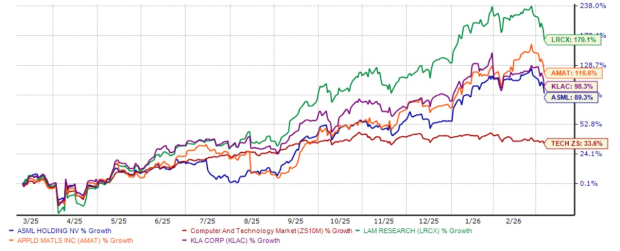
Should You Consider Purchasing, Selling, or Retaining ASML Shares with a Price-to-Earnings Ratio of 36.67?
101 finance•2026/03/09 15:01
Trending news
MoreCrypto prices
More
Bitcoin
BTC
$69,226.45
+2.91%

Ethereum
ETH
$2,022.23
+4.09%

Tether USDt
USDT
$1
+0.03%

BNB
BNB
$636.47
+3.12%

XRP
XRP
$1.37
+1.27%

USDC
USDC
$1
+0.02%

Solana
SOL
$85.32
+3.69%

TRON
TRX
$0.2851
-1.07%

Dogecoin
DOGE
$0.09174
+3.20%

Cardano
ADA
$0.2580
+3.05%
How to buy BTC
Bitget lists BTC – Buy or sell BTC quickly on Bitget!
Trade now
Become a trader now?A welcome pack worth 6200 USDT for new users!
Sign up now