
Global bond market downturn intensifies as surging oil prices heighten stagflation concerns

Global Bond Markets Plunge Amid Oil Price Surge

Bond markets worldwide experienced sharp declines in Asian trading on Monday, triggered by a dramatic spike in oil prices. This surge has heightened concerns over rising inflation and a weakening global economic outlook.
Yields on 10-year US Treasuries jumped by over seven basis points, marking their largest increase since January. This upward pressure extended to other government bonds, with Australia’s three-year yield reaching levels not seen since 2011 and German bund futures dropping to their lowest point in nearly 15 years.
Top Stories
US Treasuries later recovered some ground, and the Bloomberg Dollar Spot Index eased after reports that G7 finance ministers, together with the International Energy Agency, were considering a coordinated release of oil reserves.
The broader selloff in bonds underscores mounting fears about the world economy as crude oil prices approach $120 per barrel—an increase of nearly 80% since the onset of the Iran conflict, which has disrupted Middle Eastern oil shipments. Persistently high energy costs could force central banks to maintain restrictive policies to combat inflation, even as economic growth slows, raising the specter of stagflation.
Shifting Rate Cut Expectations
Worries over inflation have led traders to push back expectations for the Federal Reserve’s next rate cut to September. Before the conflict, markets had anticipated a move as early as July. Now, some options traders are betting the Fed might not lower rates at all this year.
“A week-long disruption in shipping through the Strait of Hormuz is fueling a rapid energy shock, sending oil and gas prices higher, strengthening the US dollar, and driving up global yields,” wrote strategists at Oversea-Chinese Banking Corp, including Sim Moh Siong. “This is challenging consensus trades for 2026 as stagflation risks intensify.”
Economic Impact of Rising Energy Costs
The consequences for the global economy could be severe. According to the International Monetary Fund, a 10% increase in energy prices sustained for a year would add about 0.4 percentage points to global inflation and reduce growth by up to 0.2 percentage points. Bloomberg Intelligence notes that demand destruction typically occurs when crude reaches $133 per barrel, highlighting the dangers if prices continue to escalate.
Mounting Supply Pressures
With investors preparing for a drawn-out conflict, the recent spike in oil prices may persist. The appointment of the late Ayatollah Ali Khamenei’s son as Iran’s next supreme leader signals policy continuity in Tehran. Meanwhile, production cuts in Kuwait and the UAE are exacerbating supply constraints following the closure of the Strait of Hormuz.
Stagflation Fears in the US and Asia
Recent US data has heightened concerns about stagflation. Unexpected job losses in February and a rising unemployment rate point to a weakening labor market just as inflationary pressures mount.
“Oil is arguably the most influential factor in global inflation,” said Tim Murray, capital market strategist at T. Rowe Price. He noted that most Asian economies are major net oil importers, making them particularly vulnerable in times of market stress.
Bond markets across Asia also suffered, with yields in Australia, New Zealand, and South Korea climbing by double digits. Indonesian and Japanese bonds declined as well, with Japan’s 10-year government yield jumping by 11.5 basis points. European bond futures also fell.
Chinese government bonds dropped, with 30-year bond futures experiencing their steepest decline of the year. Although Chinese bonds initially outperformed after the Iran conflict began, concerns about imported inflation due to rising oil prices are now undermining confidence.
Reporting assistance by Ruth Carson, Wenjin Lv, and Masaki Kondo.
(Story updated to include details on potential oil reserve release.)
Most Popular from Bloomberg Businessweek
©2026 Bloomberg L.P.
Disclaimer: The content of this article solely reflects the author's opinion and does not represent the platform in any capacity. This article is not intended to serve as a reference for making investment decisions.
You may also like
Consensys-backed SharpLink reports $734 million loss as ETH holdings climb
JPY: Volatility shock could spur rebound – MUFG
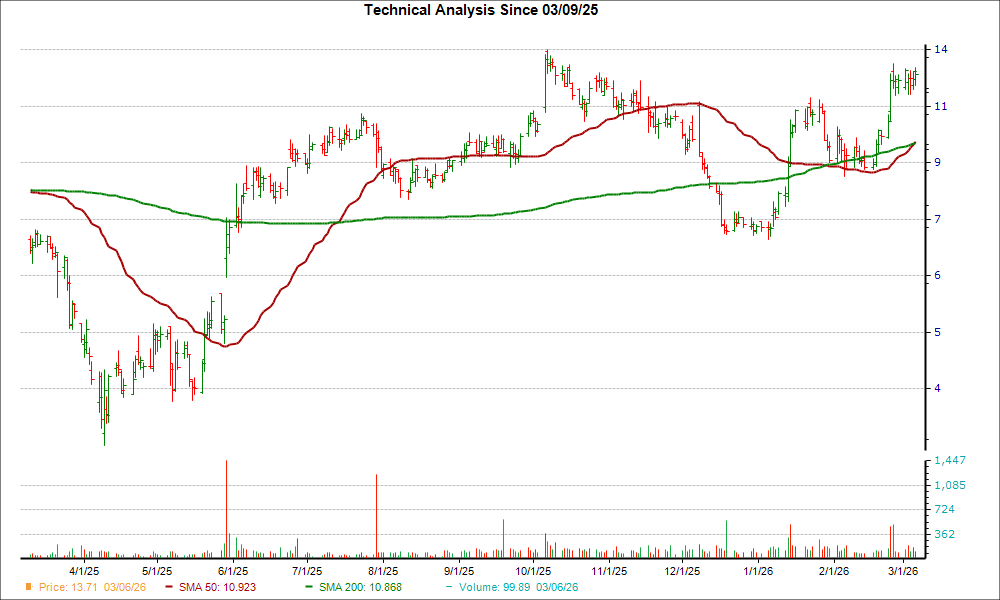
After the Golden Cross, the technical perspective for Oric Pharmaceuticals, Inc. (ORIC) appears promising
Trending news
MoreCrypto prices
More





