
AI's Impact on Employment: Examining Unemployment Trends and Economic Adaptability

Robust Economic Growth Amidst Sluggish Job Creation
In 2025, the United States experienced impressive economic expansion, with GDP rising at an annualized rate of 3.8% in the second quarter and 4.4% in the third quarter. This growth was fueled by strong consumer spending and healthy corporate earnings. However, the labor market painted a contrasting picture: only 584,000 new jobs were added throughout the year, marking the slowest employment growth since 2020. This divergence highlights the transformative influence of artificial intelligence.
AI technology became widespread across major corporations, with approximately 92% of Fortune 500 companies utilizing generative AI by 2025. Productivity surged, climbing 4.9% in the third quarter, the highest increase in two years. Official statistics reported 54,836 layoffs attributed to AI, but independent studies estimate that between 200,000 and 300,000 jobs were actually lost or never created due to AI—four to six times higher than the reported figure. Many of these job losses are masked within broader organizational changes or are simply omitted from hiring plans.
This trend poses a significant structural challenge. As AI continues to replace workers at a scale far greater than official numbers suggest, it threatens the income growth that underpins consumer-driven demand and corporate profits. The primary driver of economic expansion is shifting from human labor to capital investment and technological innovation, raising concerns about the stability of future growth.
The Rise of Financial Strength in the AI Era
Success in the AI landscape requires more than rapid expansion—it demands robust financial resources and political leverage. This marks a dramatic shift from previous technology cycles, fundamentally altering the criteria for winning in the market. Companies must now handle substantial capital and operational costs, a hurdle only the most financially secure organizations can overcome.
This has led to a pronounced divide. While the broader economy grapples with growth that lacks job creation, leading AI firms are thriving thanks to exceptional financial power. Microsoft stands out, joining the $3 trillion valuation club as its CEO steers the company through the AI revolution. Its size and profitability provide the necessary foundation to compete, whereas many other businesses lack the resources to even enter the market. As a result, a small group of dominant companies reap most of the benefits.
Ultimately, this concentration of wealth and influence is reshaping the economic hierarchy. For investors, the focus has shifted from seeking the next disruptive startup to backing established giants with the financial strength to weather the costly and lengthy AI transition.
Key Drivers and Potential Risks
The main factor influencing the coming year is the speed at which enterprises adopt AI. This will directly affect the extent of job displacement and the durability of current economic growth. If AI adoption accelerates, productivity gains may continue to outstrip job creation, reinforcing the trend of growth without corresponding employment. The recent 4.9% productivity increase in Q3 demonstrates this momentum. However, there is a risk that ongoing job losses could weaken consumer spending—the backbone of economic expansion. Despite strong growth in 2025, job creation was limited to 584,000 positions, the slowest rate in years, exposing a critical vulnerability.
While policymakers are beginning to recognize these challenges, a unified strategy has yet to emerge. The Federal Reserve projects continued growth with only modest improvements in employment, relying heavily on AI-driven productivity. If AI eliminates hundreds of thousands of jobs, as independent analyses suggest, traditional policy tools may fall short. The urgency for solutions—ranging from workforce retraining to new economic models—will intensify. For financial markets, the pressing question is whether current valuations can withstand a potential drop in consumer demand. The existing situation is precarious: economic growth is increasingly disconnected from labor, yet consumer spending remains essential.
In summary, the future hinges on the interplay between AI adoption and society’s ability to adapt. Investors should monitor two pivotal developments: the flow of enterprise AI investment and its impact on employment, and the policy response to labor displacement. Any significant change in official policy or the introduction of substantial support measures could trigger major shifts in the market. Until then, market stability relies on the ongoing strength of corporate profits and consumer spending—both of which are now vulnerable to the disruptions caused by AI in the workforce.
Disclaimer: The content of this article solely reflects the author's opinion and does not represent the platform in any capacity. This article is not intended to serve as a reference for making investment decisions.
You may also like
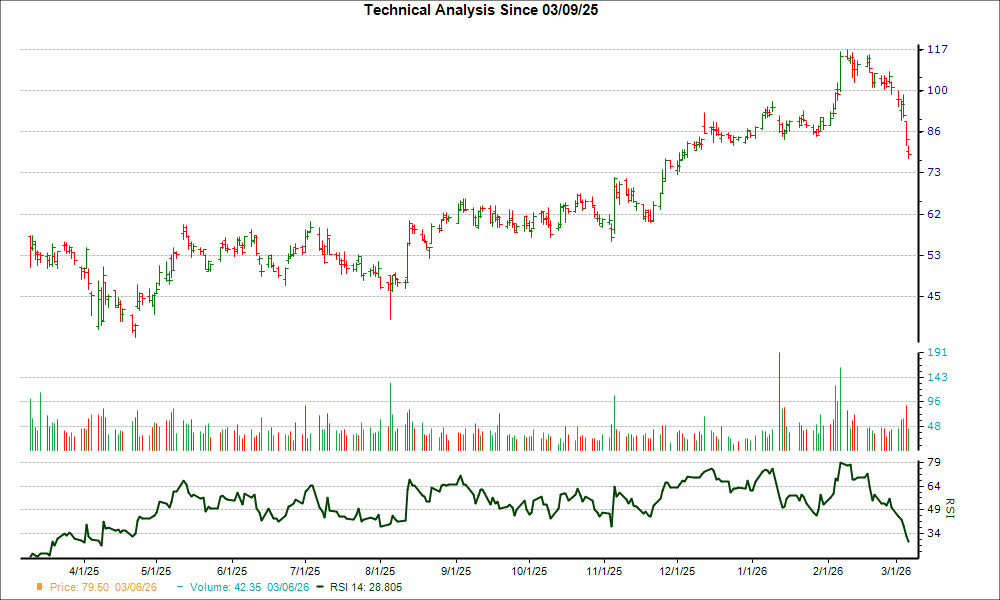
Down 33.7% in 4 Weeks, Here's Why You Should You Buy the Dip in Theravance Bio (TBPH)
BC-Lumber Futures
Reasons to Keep FactSet Shares in Your Investment Portfolio
Trending news
MoreCrypto prices
More





