
Gold price update for Monday, March 9: Gold starts the day down following a surge in oil prices

Gold Market Update
On Monday, April gold futures (GC=F) began trading at $5,095 per troy ounce, marking a 1.2% decrease from the previous Friday's closing value of $5,158.70. Over the past week, gold prices have dropped by 4.7%.
The recent decline in gold is largely attributed to surging oil prices. Ongoing conflict in the Middle East has disrupted vital energy infrastructure and restricted passage through the Strait of Hormuz, a route responsible for 20% of global oil shipments. As a result, oil-producing nations in the region have reduced their output, causing a supply shock and pushing oil prices above $100 per barrel for the first time since 2022.
Former President Trump addressed the spike in oil prices on Truth Social, suggesting that prices would drop quickly once the Iranian nuclear threat is resolved, though he did not specify when that might occur.
Rising oil costs have the potential to fuel inflation both in the United States and worldwide, which could postpone anticipated interest rate reductions. Since gold does not yield interest, elevated rates tend to dampen demand and suppress its price.
Gold Price Overview
Monday’s opening price for gold futures was 1.2% below last Friday’s close. Here’s how gold’s opening price compares to previous periods:
- Compared to one week ago: down 4.7%
- Compared to one month ago: up 1.5%
- Compared to one year ago: up 75.6%
On January 29, gold had achieved a one-year increase of 95.6%.
Understanding Gold Prices
Gold is traded in several forms, resulting in different quoted prices. The two primary prices investors should be aware of are the spot price and the futures price.
Spot Price Explained
The spot price represents the current market value per ounce for physical gold, often referred to as spot gold. Exchange-traded funds (ETFs) backed by physical gold typically mirror the spot price.
When purchasing gold coins, bullion, or jewelry, the price paid is higher than the spot price due to an added gold premium, which covers costs like refining, marketing, dealer expenses, and profit margins. Think of the spot price as the wholesale rate, while the retail price includes this premium.
Gold Futures Overview
Gold futures are standardized contracts obligating the purchase or sale of gold at a predetermined price on a future date. These contracts are traded on exchanges and are generally more liquid than physical gold. Settlement can occur either by cash—where profits or losses are paid out—or by physical delivery of gold to the buyer at the agreed price.
Key Influences on Gold Prices
The balance of supply and demand determines both spot and futures prices for gold. Several factors can impact this balance, including:
- Geopolitical tensions and events
- Purchasing activity by central banks
- Inflation rates
- Interest rate changes
- Levels of gold mining production
Gold Price Trends
Whether you’re monitoring gold’s performance over the past month or year, the chart below illustrates the metal’s consistent upward trajectory in value.
Disclaimer: The content of this article solely reflects the author's opinion and does not represent the platform in any capacity. This article is not intended to serve as a reference for making investment decisions.
You may also like
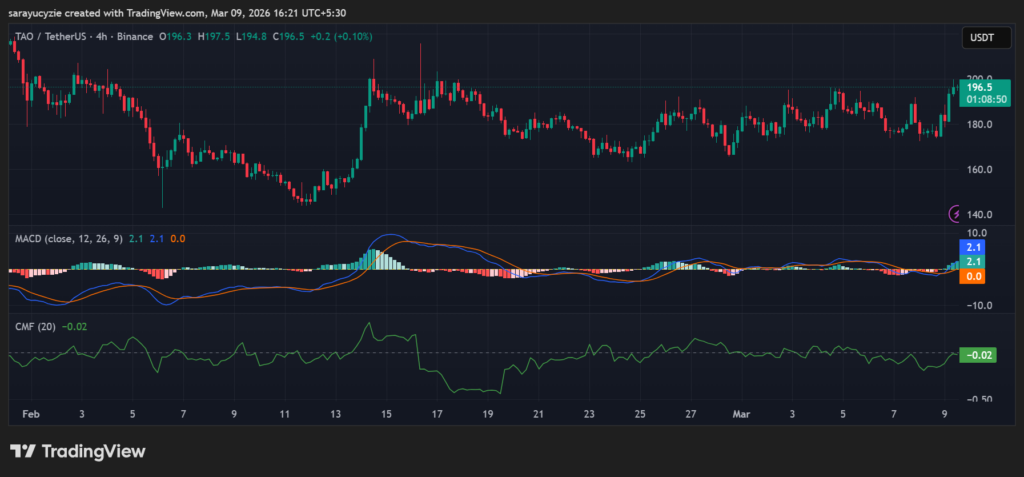
Bittensor (TAO) Price Pops 9%: Can Bulls Target the Next Major High? post-159019 post-159019 post-159019
CTOS Earnings Miss as Revenue Weakness Overshadows Growth Hopes
Ghana to introduce new gold royalty regime on Tuesday despite opposition
Merafe Resources posts profit plunge as soaring power costs shut smelters
Trending news
MoreCrypto prices
More





