
Bitcoin Volatility Hits 75% IV as Oil Surges, Ethereum Faces $3.95B Short Liquidation Risk

The immediate catalyst was a double shock to macro data. A weak US jobs report showed nonfarm payrolls fell 92,000 in February 2026, while oil prices surged above $100 a barrel. This combination revived stagflation fears, pushing investors out of risk assets. BitcoinBTC-- slid below $70,000 this weekend, falling as low as $65,660, less than a week after hitting a monthly high near $74,000.
Volatility spiked to extreme levels. Implied volatility for options hit 75% and 95% in February, the highest since 2022. This reflects a market pricing in massive uncertainty, with traders scrambling for protection. The options flow shows a clear preference for downside hedging, as the risk reversal fell to its lowest level since 2022.
Yet Bitcoin is holding up better than global equities. While S&P 500 futures fell more than 2%, Bitcoin is holding steady around $67,000. Research suggests only about a quarter of its price moves are driven by equity correlation, meaning the other 75% is responding to crypto-specific factors.
This resilience is notable, but the extreme volatility indicates the market is still digesting the macro shock.Ethereum's Liquidation Trap and Key Levels
Ethereum has broken below a major technical support zone, falling under the $2,000 level. This breakdown shifts the immediate focus to the next critical support range between $1,850 and $1,900. The broader market trend remains bearish, with the asset trading near $1,981 and down 1.5% on the week.
The liquidation map reveals a significant risk on the upside. Derivatives data shows a large pool of short positions still hanging above the market, with $3.95 billion in short liquidation risk. This creates a potential trap: a sharp rally could trigger a cascade of forced buy orders from liquidated shorts, accelerating the move higher.
Conversely, the remaining long liquidation risk is smaller, at about $1.66 billion. This imbalance suggests downside leverage has already been reduced, but it also means the market has less cushion to absorb selling pressure if the $1,850-$1,900 support fails. The setup is tense, with a clear path lower but a volatile trigger point for a rebound if buyers defend that key zone.
The Options Market's Contrarian Signal
The options market is sending a clear, if cautious, signal for a recovery. For March expirations, the call-to-put open interest ratio stands at approximately 3:1, with $660 million in call options against $240 million in puts. This imbalance suggests a significant contingent of investors are positioning for a rebound by the end of the first quarter.
The key put concentration reveals where the market expects pain to be absorbed. Put open interest is heavily clustered between $60,000 and $90,000, with major strikes at $60,000 and $80,000. Given Bitcoin is trading near $70,000, much of this protection is already in-the-money, indicating a focus on downside risk in that range.
On the upside, the $80,000 call strike is a critical level to watch. It holds high open interest, meaning it is a focal point for both buyers and sellers. A decisive break above this level could trigger a wave of call buying and accelerate a rally, while failure to hold it may reinforce the current bearish bias. The setup shows a market preparing for a potential turn, but with a clear guardrail against a repeat of the recent crash.
Disclaimer: The content of this article solely reflects the author's opinion and does not represent the platform in any capacity. This article is not intended to serve as a reference for making investment decisions.
You may also like
Consensys-backed SharpLink reports $734 million loss as ETH holdings climb
JPY: Volatility shock could spur rebound – MUFG
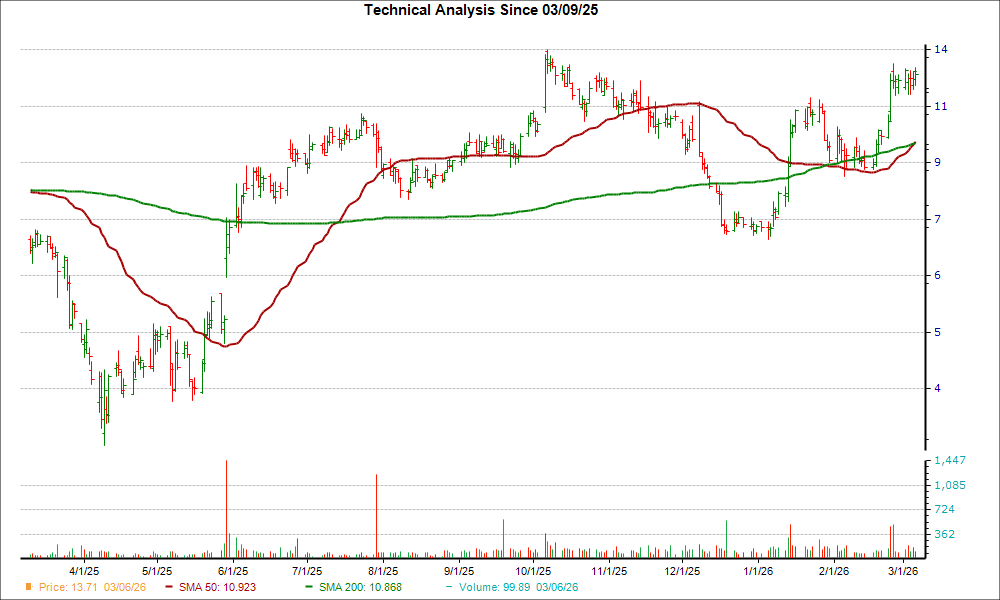
After the Golden Cross, the technical perspective for Oric Pharmaceuticals, Inc. (ORIC) appears promising
Trending news
MoreCrypto prices
More





