
Medtronic’s Acquisition of Scientia Strengthens Its Neurovascular Leadership During Rapid Expansion

Strategic Rationale Behind the Scientia Acquisition
Medtronic’s acquisition of Scientia is underpinned by a clear strategic vision. Scientia’s advanced microfabrication capabilities address a significant challenge in neurovascular medicine: navigating the intricate network of blood vessels in the brain. Their specialized guidewires and catheters are engineered to provide quicker and more dependable access, which directly enhances the efficiency of procedures for both ischemic and hemorrhagic stroke treatments. By incorporating Scientia’s technology into its existing neurovascular portfolio, Medtronic aims to offer physicians a more comprehensive suite of solutions throughout the entire treatment process. This move toward vertical integration not only elevates the quality of Medtronic’s offerings but also appeals to institutional investors seeking robust, integrated product lines.
Market Dynamics and Competitive Positioning
This acquisition is also a strategic response to favorable industry trends. The global market for neurovascular devices is forecasted to expand at a compound annual growth rate of 5.8% to 8.4% through 2034, fueled by an aging demographic and increasing stroke rates. Medtronic is positioning itself to capture a greater portion of this growing market. The deal comes amid a broader wave of consolidation in the sector, with competitors such as Boston Scientific and Stryker pursuing similar strategies. This highlights the importance of scale and a diverse product portfolio in the evolving neurovascular landscape.
Portfolio Strategy and Financial Outlook
From an investment perspective, this transaction aligns with a shift toward high-quality medical technology companies. It represents a strong conviction buy in a defensive sector with persistent demand drivers. Financially, Medtronic anticipates that the acquisition will be only slightly dilutive to adjusted earnings per share in fiscal 2027, with positive contributions expected thereafter. This projected earnings accretion, combined with the strategic fit, enhances the overall quality of Medtronic’s portfolio and serves as a catalyst for the company’s stock.
Financial Structure and Portfolio Enhancement
The financial terms of the Scientia acquisition are consistent with Medtronic’s disciplined approach to capital allocation. The company expects the deal to have minimal short-term impact on adjusted earnings per share, with accretive effects over the longer term. This structure exemplifies a high-quality acquisition, offering near-term stability while embedding opportunities for sustained value creation. The accretive nature of the deal, along with its strategic alignment, reinforces Medtronic’s reputation for prudent capital deployment that benefits shareholders without compromising financial stability.
This acquisition complements Medtronic’s strong organic growth in other areas. For example, the company’s Cardiac Ablation Solutions division saw an 80% year-over-year revenue increase last quarter, driven by innovations in pulsed field ablation. Rather than replacing this internal momentum, the Scientia deal adds another growth lever, targeting a high-potential segment within Medtronic’s broader cardiovascular business, which itself achieved 11% organic growth. This dual strategy—combining targeted acquisitions with robust organic expansion—optimizes the company’s portfolio by balancing multiple growth drivers.
For institutional investors, this acquisition enhances the quality profile of a defensive healthcare portfolio. The neurovascular segment offers reliable demand, and Medtronic’s use of mergers and acquisitions to expand its presence further strengthens its leadership. The transaction is funded from existing resources, does not interfere with ongoing capital return programs, and is expected to boost earnings in the medium term. For those seeking high-quality, growth-oriented medtech investments, Medtronic’s disciplined capital deployment strategy stands out.
Integration Milestones and Risk Considerations
The ultimate success of Medtronic’s $550 million acquisition of Scientia will depend on a two-stage catalyst process. The first milestone is the anticipated closing in the first half of fiscal 2027, which will initiate the integration phase and begin translating strategic intent into operational outcomes. Subsequent milestones will focus on the effective integration of Scientia’s microfabrication technology into Medtronic’s global infrastructure, followed by the launch of new products that leverage the combined capabilities. Medtronic’s global reach is expected to accelerate Scientia’s market penetration, transforming a specialized access platform into a driver of market share gains.
However, the primary challenge lies in execution. Integrating a private company with around 310 employees into a large multinational requires careful attention to cultural, technological, and commercial factors. The presence of potential undisclosed earn-out and milestone payments introduces additional complexity, as these contingent liabilities can affect the deal’s financial profile. For institutional investors, this represents a measurable risk premium. The realization of anticipated earnings accretion will depend on the success of the integration process, directly influencing the risk-adjusted returns of the investment.
On the other hand, the deal’s structure helps mitigate some of these risks. By utilizing existing financial resources and projecting only minimal short-term dilution to earnings, Medtronic creates a financial cushion. This disciplined approach allows the company to concentrate on successful execution without overextending its balance sheet. Ultimately, the timeline for value creation is now closely linked to Medtronic’s operational performance. The first half of fiscal 2027 marks the starting point, with the following 12 to 18 months serving as the critical period for integration and commercialization success.
Disclaimer: The content of this article solely reflects the author's opinion and does not represent the platform in any capacity. This article is not intended to serve as a reference for making investment decisions.
You may also like
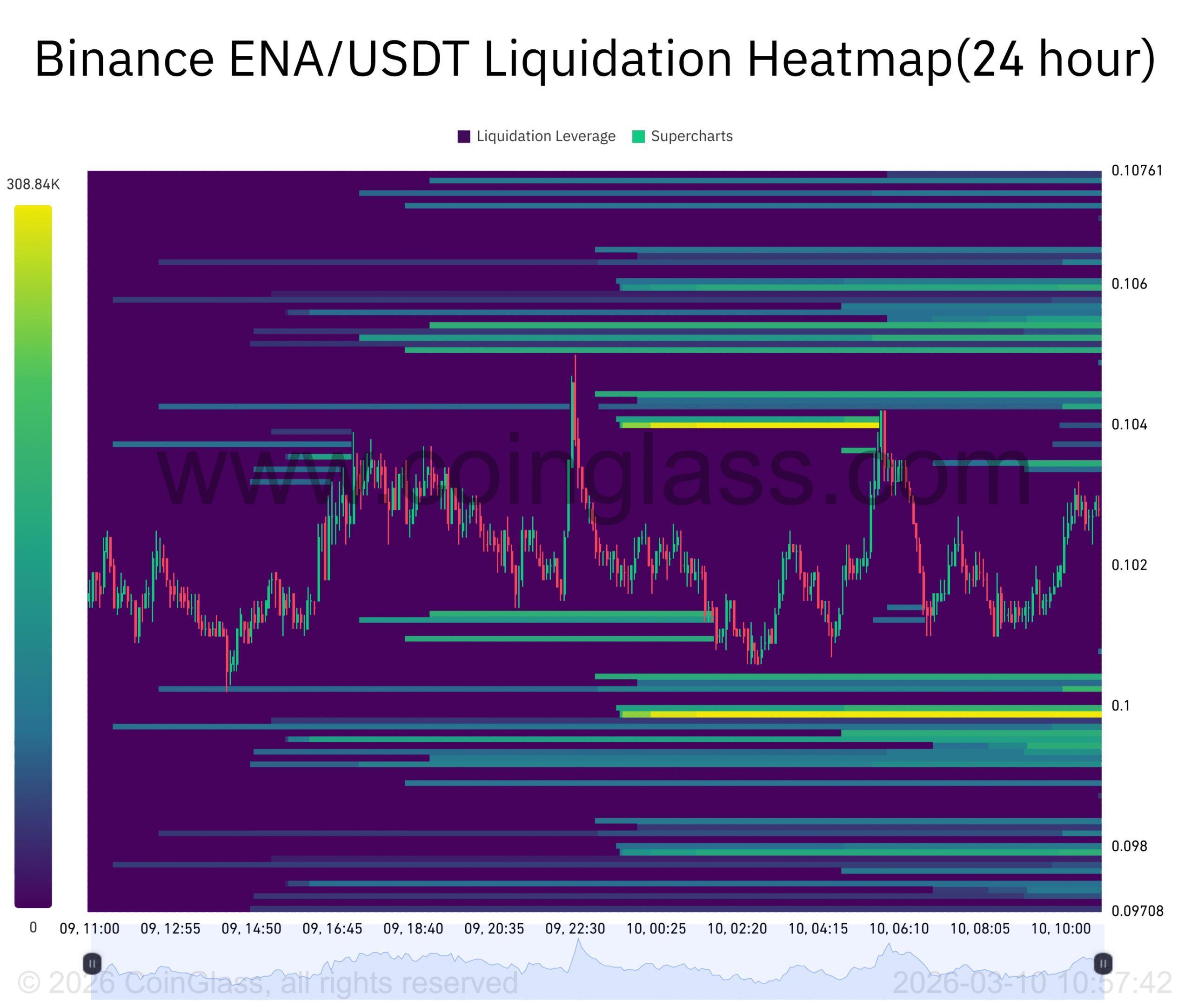
Ethena: Is 4.47M ENA accumulation quietly sparking a recovery?
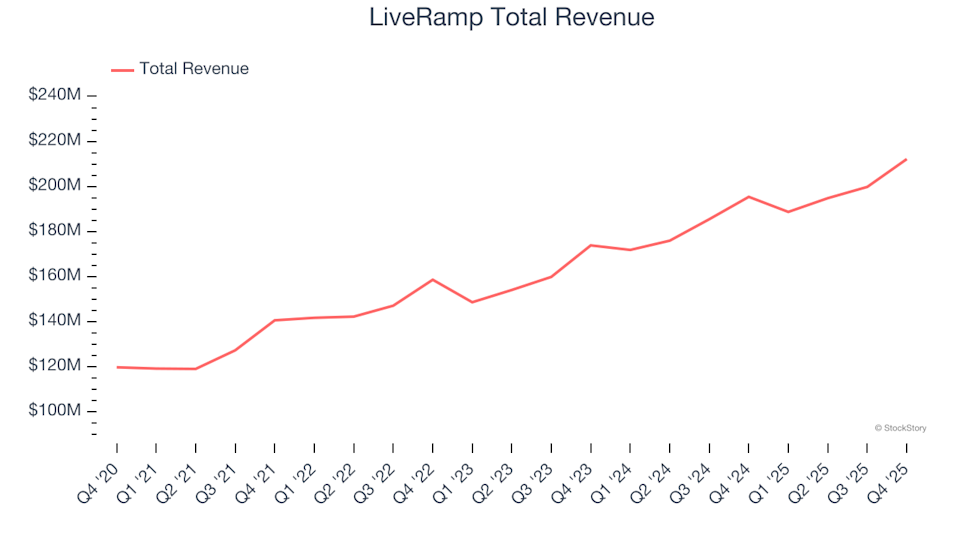
Advertising Software Companies Q4 Earnings: LiveRamp (NYSE:RAMP) Performance Comparison
Visa, Mastercard speed up the rollout of AI solutions for enterprises
Trending news
MoreCrypto prices
More





