
Oil Drops 12% Amid Uncertainty Surrounding Hormuz Shipping Status

Oil Market Turmoil: Prices Experience Sharpest Drop in Years
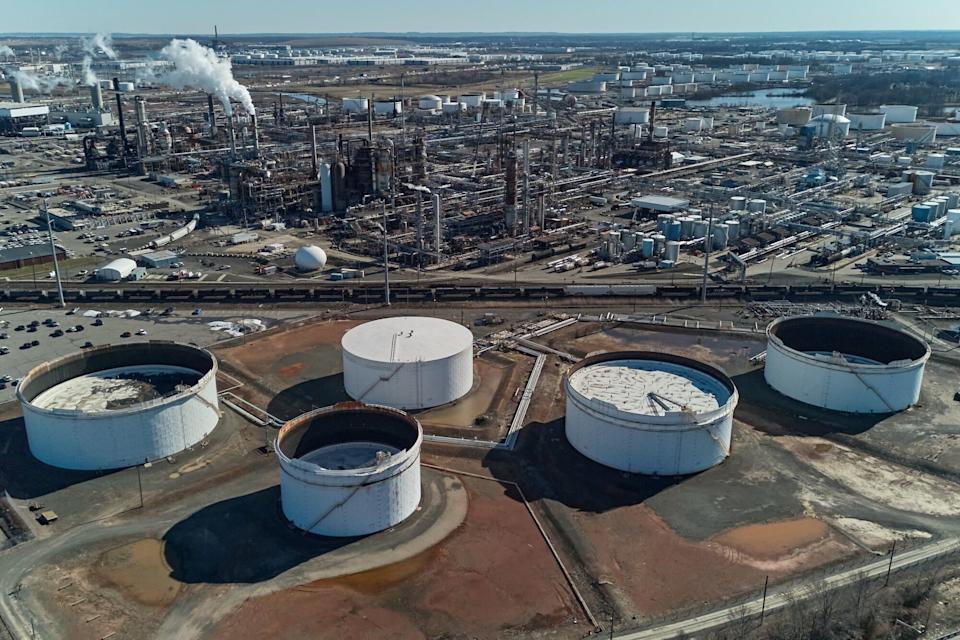
Oil prices saw their steepest decline in four years, as traders struggled to interpret a barrage of contradictory reports regarding the future of shipments through the Strait of Hormuz.
West Texas Intermediate crude fell by 12%, marking its largest single-day decrease since March 2022, closing slightly above $83 per barrel. The US government clarified that it had not escorted an oil tanker through the Strait, refuting a now-removed social media post from Energy Secretary Chris Wright. Iran’s Fars news agency also denied any US military involvement. The Strait of Hormuz is a crucial passage, responsible for about 20% of global oil transportation.
Will Todman, a senior fellow at the Center for Strategic and International Studies, suggested that the removal of the post could encourage Iran to persist with its current strategy, knowing the US has limited options to mitigate the impact on the global economy. He also noted that Gulf oil producers may become more anxious, questioning whether the US abandoned such an operation.
Traders closely watching the Strait of Hormuz expressed frustration over rapidly changing US statements, with some reporting financial losses due to the conflicting news. These developments contributed to wild price fluctuations throughout the week, highlighting the sensitivity of global energy supplies to ongoing geopolitical tensions.
The 60-day historical volatility for the most actively traded WTI futures has reached its highest point since September 2022.
Impact of the Iran Conflict on Oil and Gas Markets
Brent crude and WTI have surged nearly 40% since the start of the year, as the effective closure of the Strait of Hormuz forces producers to reduce output with each passing day of the Iran conflict.
Earlier on Tuesday, oil prices were already trending downward after the Group of Seven nations requested the agency to develop plans for releasing emergency oil reserves, as the crisis in the Middle East unsettles markets. Meanwhile, Trump announced intentions to lift oil-related sanctions and deploy the US Navy to escort tankers through the critical waterway.
These actions have raised expectations that global leaders will step in to prevent a severe supply shock.
Broader Effects and Market Volatility
The ongoing war has drawn more than a dozen countries into the conflict, causing spikes in natural gas and diesel prices. US gasoline costs have also climbed, and markets have been pulled in opposing directions throughout the week.
On Monday, benchmark oil contracts—among the most traded commodities worldwide—jumped as much as 29% following a weekend of relentless negative news from the escalating Middle East crisis.
Sentiment then shifted dramatically, prompting traders to quickly adjust their positions as signs emerged that world leaders might act to stabilize energy markets. Later, President Donald Trump’s comments about a possible resolution to the conflict further pressured prices downward. For Brent crude, this resulted in the largest drop from an intraday high to closing price ever recorded, reminiscent of volatility seen during the Covid pandemic.
Rebecca Babin, a senior energy trader at CIBC Private Wealth Group, remarked, “Just as the upward movement was intense, we can expect equally sharp declines, whether justified or not, as the market awaits confirmation that significant volumes are actually passing through the Strait.”
©2026 Bloomberg L.P.
Disclaimer: The content of this article solely reflects the author's opinion and does not represent the platform in any capacity. This article is not intended to serve as a reference for making investment decisions.
You may also like
How Tron’s entry into AAIF could position TRX to lead AI agent boom
MRSH Crumbles 3.32% as $470M Volume Ranks 267th on March 10
GPT360 and MarsCat Global Announce Partnership to Strengthen Web3 Community Engagement
Fortinet Rises 0.47% with $490M in Trades, Ranking 254th as Earnings Outweigh Growth Worries
Trending news
MoreCrypto prices
More





