
USD: Spotlight on inflation and potential energy shock outcomes – MUFG

Market Outlook: Oil Reserves, Inflation, and Energy Prices
Derek Halpenny, Head of Research at MUFG, observes that the International Energy Agency's potential coordinated release of oil reserves may help cushion short-term supply interruptions in the Strait of Hormuz. However, investor attention is increasingly turning toward US inflation trends. Halpenny points to the release of today's US Consumer Price Index (CPI) data, and considers a scenario where rising Nymex crude prices could push up both US energy inflation and the overall CPI.
Inflation Risks from Energy Shocks
Halpenny explains that markets have been closely monitoring how the ongoing conflict could influence inflation, as this will shape central bank policy decisions and economic growth prospects. With the February US CPI figures due today, this focus is set to intensify. This report is the final one before the effects of the recent attack begin to appear in next month’s inflation data.
For today’s release, forecasts suggest that headline CPI will rise from a 0.2% to a 0.3% month-over-month increase, while core inflation is expected to slow by 0.1 percentage points to 0.2%. On an annual basis, inflation rates are projected to hold steady at 2.4% for core and 2.5% for headline CPI.
Anticipated Energy Price Impact
Looking ahead to next month, Halpenny anticipates that energy prices will have a swift and noticeable effect. US gasoline prices have already jumped sharply, with the national average climbing 18% in March through the 9th, reaching the highest level since July 2024. As of December, energy accounted for 6.38% of the headline CPI basket. If Nymex crude were to climb to $100 per barrel in the first half of the year before easing to $70 by year-end, US energy inflation could peak between 15% and 20% by mid-year.
This surge could add approximately 1 percentage point to headline CPI, provided that natural gas prices do not rise as sharply. For context, US year-over-year energy inflation in the fourth quarter was down 20%.
(This report was generated with assistance from an AI tool and subsequently reviewed by an editor.)
Disclaimer: The content of this article solely reflects the author's opinion and does not represent the platform in any capacity. This article is not intended to serve as a reference for making investment decisions.
You may also like
IEA's 400 Million Barrel Movement Compared to Iran's $200 Alert: An Examination of Price Trends
Tax Loss Harvesting Approach Sees Rising Adoption in 2026 as Regulatory Ambiguity Persists
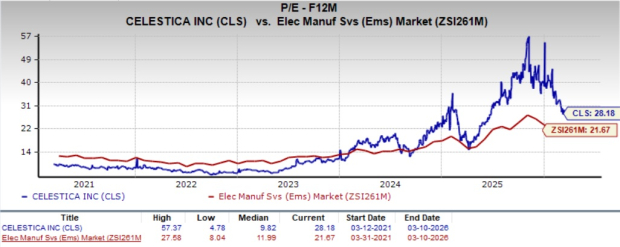
Can Celestica's proficiency in advancing 5G technology fuel its future expansion?
Trending news
MoreCrypto prices
More





