
Top CD rates for March 11, 2026 (Earn as much as 4% APY)

Secure Attractive CD Yields Despite Falling Rates
Although deposit account rates are trending downward, you still have the opportunity to secure a strong return by opening a certificate of deposit (CD) now. Many of the top CDs continue to offer yields exceeding 4%. Below, you'll find an overview of current CD rates and guidance on where to locate the most competitive options.
Current Top CD Rates
CDs are presently delivering interest rates that outpace those of standard savings accounts. The most attractive short-term CDs—typically those with terms between six and twelve months—are offering annual percentage yields (APYs) in the 4% to 4.5% range.
At the moment, the highest available CD rate is 4% APY. This rate is provided by Marcus by Goldman Sachs for its 1-year CD and by Everbank for its 7-month CD.
Here are some of the leading CD rates from our trusted partners:
CD Rate Trends Over Time
The early 2000s experienced relatively high CD rates, but the dot-com bust and the 2008 global financial crisis led to a sharp decline. As the economy slowed and the Federal Reserve reduced its benchmark rate to encourage growth, CD yields dropped. By 2009, the average one-year CD offered about 1% APY, while five-year CDs paid less than 2% APY.
This downward trend persisted into the 2010s, especially after the Great Recession. The Fed’s decision to keep interest rates near zero resulted in banks offering very low CD rates. By 2013, average six-month CD rates had fallen to around 0.1% APY, and five-year CDs averaged just 0.8% APY.
Between 2015 and 2018, as the Fed gradually raised rates, CD yields saw modest improvement alongside economic growth. However, the onset of the COVID-19 pandemic in 2020 prompted emergency rate cuts, pushing CD rates to historic lows.
After the pandemic, surging inflation led the Fed to increase rates 11 times from March 2022 to July 2023. This resulted in higher borrowing costs and increased APYs for savings products, including CDs.
By September 2024, the Fed began lowering the federal funds rate after concluding that inflation was under control, with three more cuts announced in 2025. CD rates have since started to decline from their recent highs, though they remain elevated compared to historical averages.
Here’s a summary of how CD rates have evolved since 2009:
What Influences Today’s CD Rates?
Traditionally, CDs with longer terms have provided higher interest rates than those with shorter durations, compensating for the risk of locking in funds for an extended period. However, this pattern has shifted—currently, the highest average CD rates are found in 12-month terms. This flattening or inversion of the yield curve often signals economic uncertainty or expectations of falling future interest rates.
Tips for Selecting the Best CD
When opening a CD, a high APY is important, but other considerations can also impact your returns and whether a particular CD suits your needs. Keep these factors in mind:
- Your objectives: Determine how long you can leave your money untouched. CDs have fixed terms, and early withdrawals may incur penalties. Terms can range from a few months to several years, so select one that aligns with your financial timeline.
- Institution type: Interest rates can differ widely between banks and credit unions. Explore options beyond your current bank, including online banks, local institutions, and credit unions. Online banks often provide higher rates due to lower operating costs, but ensure any institution you choose is FDIC-insured (or NCUA-insured for credit unions).
- Account details: Review the CD’s terms, including its maturity date and any early withdrawal penalties. Also, check for minimum deposit requirements to ensure they fit your budget.
- Inflation considerations: While CDs offer stable, fixed returns, they may not always keep up with inflation, especially with longer terms. Factor this in when deciding how much to invest and for how long.
Disclaimer: The content of this article solely reflects the author's opinion and does not represent the platform in any capacity. This article is not intended to serve as a reference for making investment decisions.
You may also like
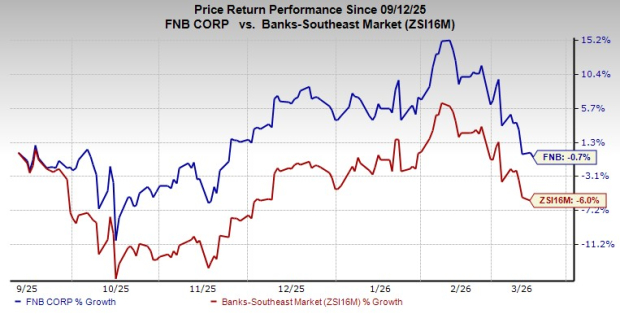
FNB Broadens eStore: Can This Digital Shift Drive Expansion?
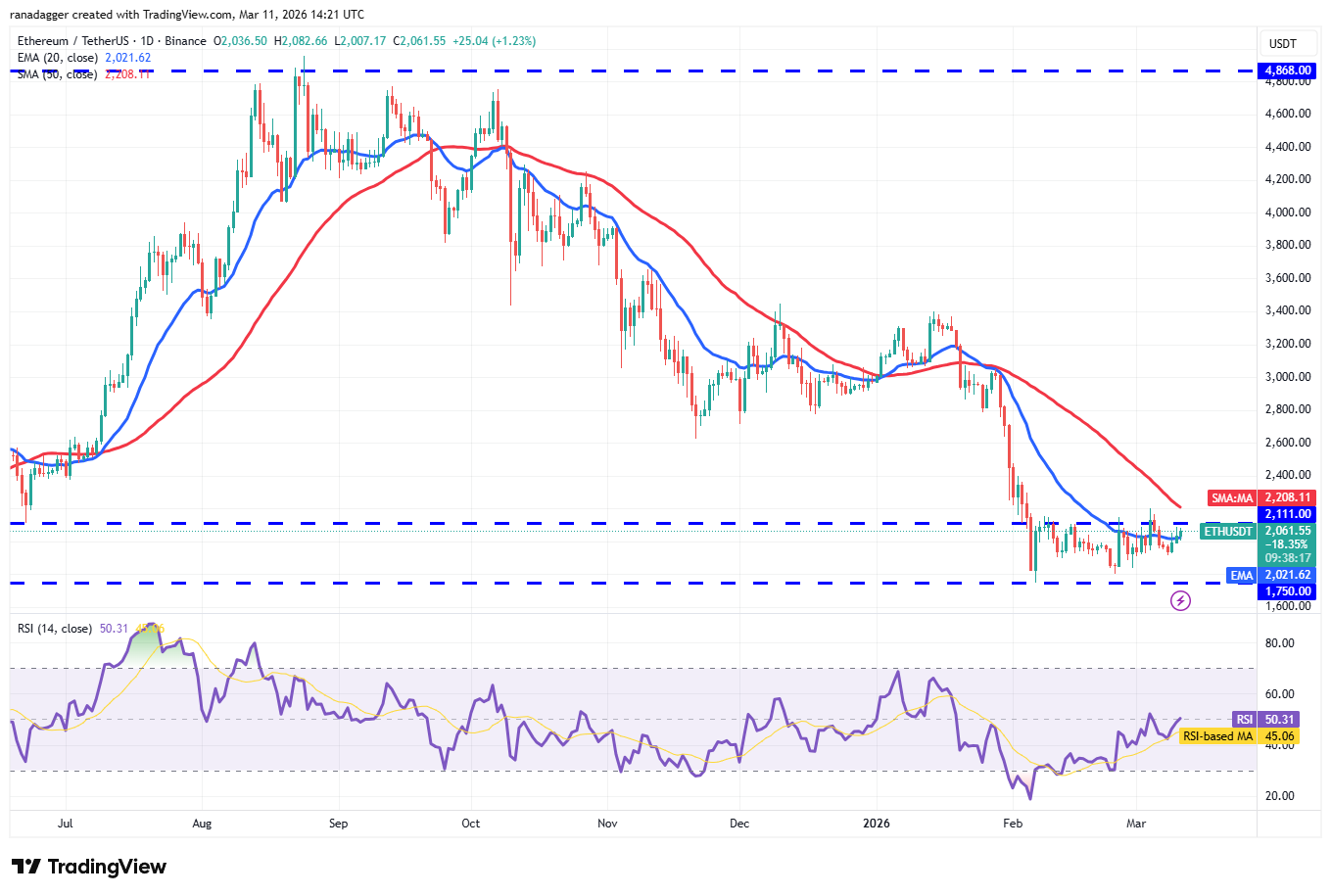
Price predictions 3/11: BTC, ETH, BNB, XRP, SOL, DOGE, ADA, BCH, HYPE, XMR
Solmate’s $60M Valuation Trap: Market Votes No on Dual-Purpose Crypto Rebrand
Trending news
MoreCrypto prices
More





