
Bond Yields Surge Amid Climbing Oil Prices and Ongoing Middle East Conflict Uncertainty

Rising Oil Prices Fuel Inflation Fears Amid Middle East Tensions

Escalating conflict between the U.S., Israel, and Iran has kept oil prices high, intensifying worries about inflation and driving up government bond yields across the U.S. and Europe.
Although President Trump suggested the war might end soon, Iran has vowed to persist, recently deploying mines in the Strait of Hormuz. Oil prices, after a brief decline, are once again climbing.
Top Stories from The Wall Street Journal
Persistently high oil prices are raising the risk of inflation surges, which could force central banks to reconsider interest rate cuts or even implement hikes, despite sluggish economic growth.
According to UniCredit’s Investment Institute, “The ongoing Middle East conflict is pushing energy prices higher, which is feeding inflation expectations and prompting central banks to reassess their policies.”
Tradeweb data shows the yield on Germany’s 10-year Bund increased by 6 basis points to 2.897%. French, Italian, and Belgian bond yields climbed as much as 10 basis points, while the UK’s 10-year gilt yield rose 8 basis points to 4.641%.
U.S. Treasurys, while less affected due to America’s status as a net energy exporter, still saw yields rise. The 10-year Treasury yield was up 3.3 basis points at 4.167%. Bond yields typically move higher as prices fall.
Brent crude surged 5.6% to $92.80 per barrel, and WTI crude jumped 6.2% to $88.65 per barrel during European trading, with both benchmarks recently surpassing $100 per barrel.
“There is still no indication that the Strait of Hormuz can be reopened by force, despite promises,” noted Bjarne Schieldrop, chief commodities analyst at SEB.
European nations, which rely heavily on oil imports, are particularly vulnerable to rising energy costs. In the UK, investors remain wary of the country’s delicate fiscal position.
Oil prices briefly dropped after the International Energy Agency suggested releasing 400 million barrels from strategic reserves—a record amount—and as hopes grew for a quick resolution to the conflict. However, the decline was short-lived.
First Abu Dhabi Bank analysts cautioned, “Given the inconsistent and sometimes unclear messaging from Washington, it’s not a time for complacency.”
Central Banks and Market Expectations Shift
Comments from European Central Bank official Peter Kazimir on Wednesday suggested that an interest rate hike in response to the Iran conflict could come sooner than previously anticipated, according to Bloomberg.
Eurozone money markets are now factoring in a 25 basis-point rate increase by the ECB in September, with a slight chance of another hike later in the year, LSEG data indicates. Before the conflict, markets expected the ECB to hold rates steady throughout the year.
Expectations for the Bank of England to cut rates in the near future have also diminished. LSEG data shows UK money markets are pricing in only a small chance of a rate cut through 2026. Before the war, there was an 83% probability of a rate cut at the BOE’s March 19 meeting.
“Interest-rate futures are experiencing unusual volatility,” said Kathleen Brooks of XTB. “Such turbulence is typical when oil prices spike dramatically.”
UK inflation remains elevated at 3.0%, well above the Bank of England’s 2% target. The energy shock could push inflation even higher, potentially adding between 0.3 and 1.2 percentage points to the UK’s CPI this year, according to Ruth Gregory of Capital Economics.
Dan Coatsworth, head of markets at AJ Bell, commented, “While the panic seen earlier in the week has eased, with wild swings in oil prices and falling market values, genuine anxiety persists among investors.”
Disclaimer: The content of this article solely reflects the author's opinion and does not represent the platform in any capacity. This article is not intended to serve as a reference for making investment decisions.
You may also like
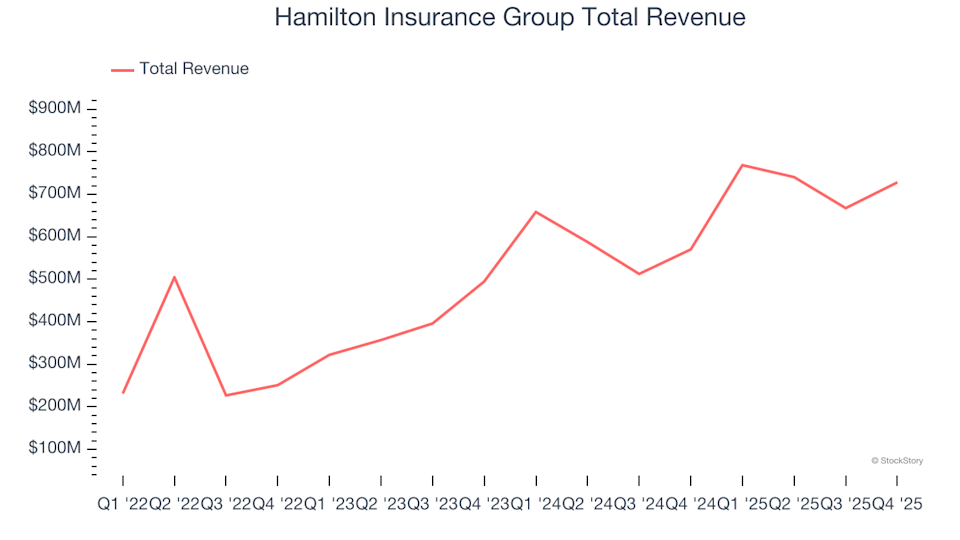
Spotting Top Performers: Hamilton Insurance Group (NYSE:HG) and Reinsurance Shares During Q4
UPS adapts to Amazon’s reduced business by shifting focus toward high-end services
AUD/USD rises as RBA rate hike bets grow, US inflation steady
Purchase 5 AI-Driven Stocks That Soared Last Month and Continue to Offer Growth Potential
Trending news
MoreCrypto prices
More





