
KeepZone AI’s D-Fence Platform Might Be the Essential Operating System Homeland Security Needs—Provided It Moves Beyond the Reseller Model

KeepZone’s Evolution: From Reseller to Integrated Security Platform
KeepZone is undergoing a significant transformation, shifting away from its traditional role as a straightforward reseller of security products to constructing a comprehensive, interconnected platform. This transition is evident through a series of deliberate moves, such as securing distribution rights for a wide array of technologies. These include under-vehicle inspection systems, counter-drone (C-UAS) solutions, and most recently, private LTE and 5G wireless network solutions. By assembling this diverse technology stack, KeepZone aims to address threats on the ground and in the air, while also providing the secure communications infrastructure necessary to unify these layers.
Despite these advancements, KeepZone’s current business model still centers on reselling, with its proprietary software acting as a value-added layer. The standout feature is the company’s own D-Fence integration—a web-based application that brings together management of sensors and devices from various hardware providers. This unified interface empowers users to control security equipment, define zones on digital maps, and receive coordinated alerts, all from a single platform. This software-centric approach echoes trends in other infrastructure sectors, where a central platform orchestrates disparate physical assets.
The company’s strategy is unmistakable: KeepZone is moving beyond selling isolated products and is instead building a software-driven security ecosystem. This approach positions the company for rapid expansion, as the value of the platform increases with each new device and service it integrates. The critical question for stakeholders is whether KeepZone’s platform will become the backbone of homeland security operations, or if it will remain a conduit for third-party hardware. The proprietary software is the linchpin in this strategic shift.
Market Dynamics: Demand Surge and Execution Challenges
Global demand for integrated security platforms is accelerating, fueled by geopolitical tensions and the need for robust event security. KeepZone is aligning itself with this momentum, targeting sectors such as critical infrastructure, urban safety, and defense. The upcoming FIFA World Cup 2026 in Mexico City, for example, represents a major opportunity for the company to showcase its solutions. This is not a niche endeavor; it is a strategic play for a share of the expanding global security market, where high-profile events drive urgent demand for advanced screening and threat detection systems.
However, the path to success is not without obstacles. KeepZone’s multi-vendor reseller approach involves significant operational risks. Securing distribution deals is only the first step—final government approvals and competition from established local players remain substantial hurdles. Many agreements grant short-term, customer-specific exclusivity, typically lasting up to six months. While this creates a window to close deals, it also highlights the competitive landscape, where existing distributors have entrenched relationships and regulatory advantages. KeepZone’s ability to navigate complex procurement processes and quickly build credibility will be crucial to its success.
Strategy Spotlight: Absolute Momentum Long-Only Trading Approach
- Entry Criteria: Initiate a long position in SPY when the 252-day rate of change is positive and the closing price is above the 200-day simple moving average (SMA).
- Exit Criteria: Close the position if the price falls below the 200-day SMA, after 20 trading days, or if a take-profit (+8%) or stop-loss (−4%) threshold is reached.
- Risk Management:
- Take-Profit: 8%
- Stop-Loss: 4%
- Maximum Hold: 20 days
Performance Metrics
- Total Return: 8.86%
- Annualized Return: 4.52%
- Maximum Drawdown: 5.29%
- Profit-Loss Ratio: 1.34
- Total Trades: 12
- Winning Trades: 7
- Losing Trades: 5
- Win Rate: 58.33%
- Average Hold Period: 16.08 days
- Maximum Consecutive Losses: 2
- Average Gain per Win: 2.59%
- Average Loss per Loss: 1.84%
- Largest Single Gain: 3.91%
- Largest Single Loss: 4.46%
The Role of Proprietary Software in Scaling the Platform
KeepZone’s D-Fence integration software is the company’s main competitive advantage, enabling seamless management of multiple hardware types through a single interface. While this software layer enhances user experience and operational efficiency, its current value is closely linked to the hardware KeepZone distributes. Most revenue and profit still originate from physical product sales, not from the software itself. The company’s long-term success will depend on whether its platform can become indispensable, encouraging clients to purchase the entire solution suite through KeepZone rather than assembling components from various sources. For now, strong market demand is driving adoption, but overcoming the challenges of the reseller model is essential for future growth.
Financial Outlook: Transitioning Toward a Platform Model
Although KeepZone’s shift toward a platform-centric business has not yet translated into its financial results, this direction promises higher margins and recurring revenue streams. Presently, growth is tied to the volume of distribution agreements and the lengthy sales cycles typical of government and defense contracts. Recent deals, such as those for private LTE and 5G networks in Ecuador and secure communications in Hungary and Greece, add to the company’s pipeline. However, these projects require significant capital and involve extended approval timelines, causing delays in revenue recognition. Financial performance will depend on the speed and scale of execution, rather than on a rapidly scalable software model.
Investors should pay close attention to the company’s gross margin trends as an indicator of platform maturity. The current reliance on hardware reselling results in lower margins, but the real opportunity lies in expanding the software component. The D-Fence integration is uniquely positioned to scale as more devices are added. A shift toward a greater share of revenue from software subscriptions and services would signal that KeepZone is evolving into a true platform provider, rather than remaining a hardware distributor.
Valuation should look beyond current hardware sales and focus on the potential for recurring software revenue and network effects. As more systems—such as under-vehicle inspection solutions and private 5G networks—are integrated, the software platform becomes increasingly valuable. This could enable KeepZone to offer premium services like advanced monitoring and analytics. Ultimately, the company’s market value will reflect its ability to capture this software-driven upside, rather than just hardware sales volume.
Growth Drivers and Potential Pitfalls
The journey from reseller to platform leader will be shaped by several near-term milestones. The most immediate catalyst is the successful demonstration of the D-Fence integration platform’s ability to manage hardware from multiple vendors. Proving that a single application can control under-vehicle sensors, private LTE networks, and anti-drone systems would validate KeepZone’s vision and accelerate adoption among government and enterprise customers.
However, there are risks to this strategy. The parent company, Jeffs' Brands, is primarily a data-driven e-commerce business on Amazon Marketplace. While the security platform is expanding, the main source of cash flow likely remains the established e-commerce operations. This could lead to divided focus and resource allocation, potentially slowing the growth of the security venture. There is a risk that KeepZone remains a secondary initiative rather than becoming the company’s strategic centerpiece.
Ultimately, the key to exponential growth lies in shifting from hardware sales to capturing value from the data and services generated by integrated systems. As adoption increases, KeepZone must leverage its software to offer premium monitoring, predictive analytics, and integration services. The company’s ability to transition its revenue mix toward high-margin software subscriptions will determine whether it can fully realize the economic potential of its infrastructure platform. For now, the groundwork is being laid—the true payoff will depend on making the software layer indispensable to customers.
Disclaimer: The content of this article solely reflects the author's opinion and does not represent the platform in any capacity. This article is not intended to serve as a reference for making investment decisions.
You may also like
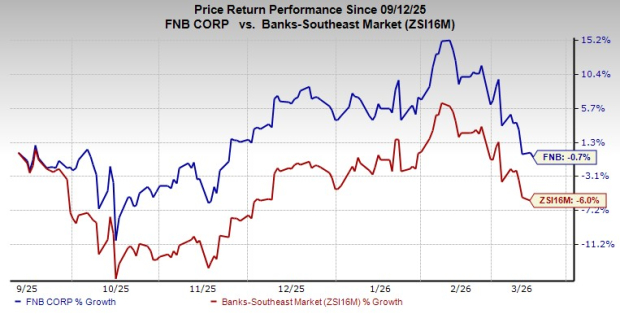
FNB Broadens eStore: Can This Digital Shift Drive Expansion?
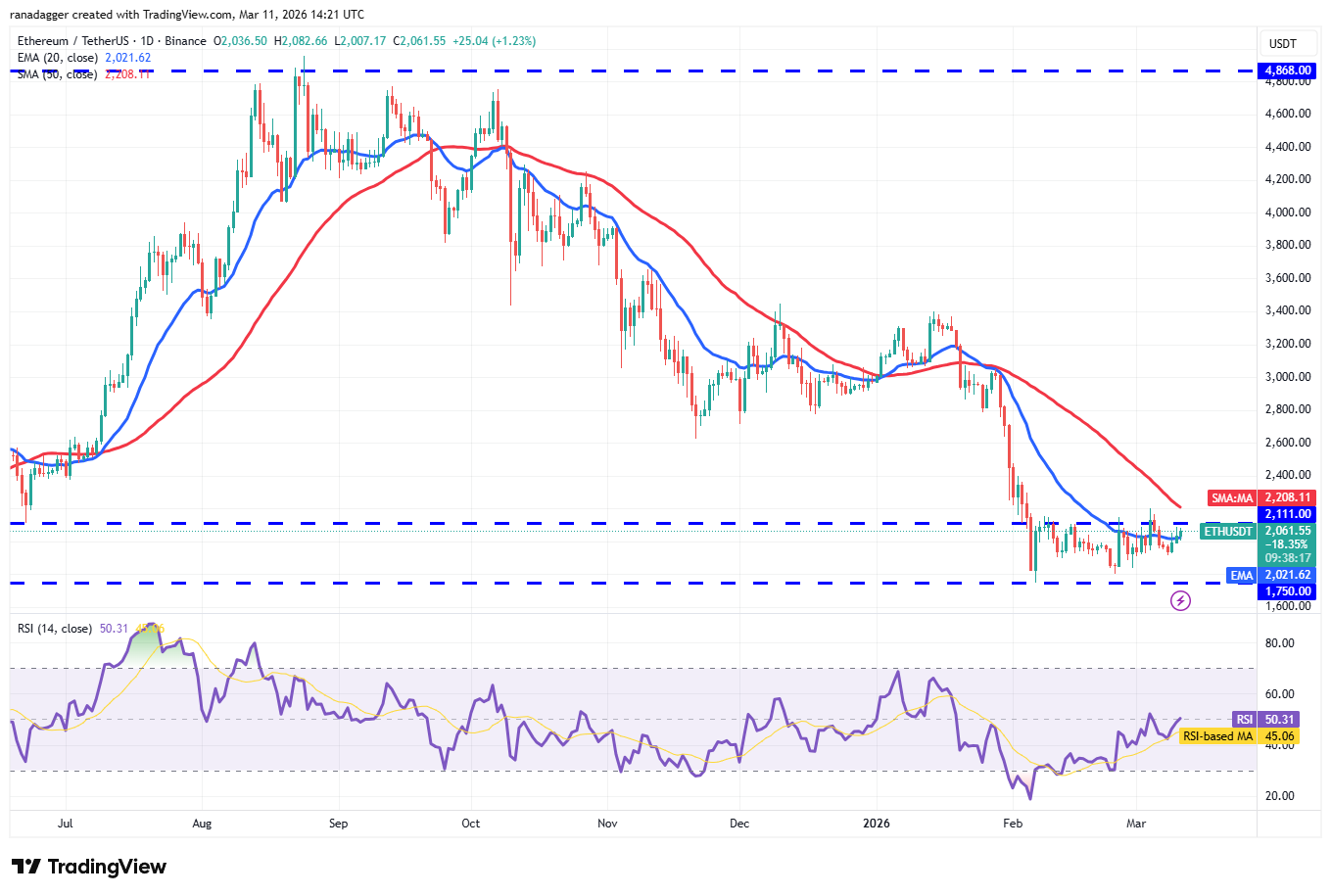
Price predictions 3/11: BTC, ETH, BNB, XRP, SOL, DOGE, ADA, BCH, HYPE, XMR
Solmate’s $60M Valuation Trap: Market Votes No on Dual-Purpose Crypto Rebrand
Trending news
MoreCrypto prices
More





