
Inflation Remained Unchanged at 2.4% in February

Recent Volatility in Oil Prices
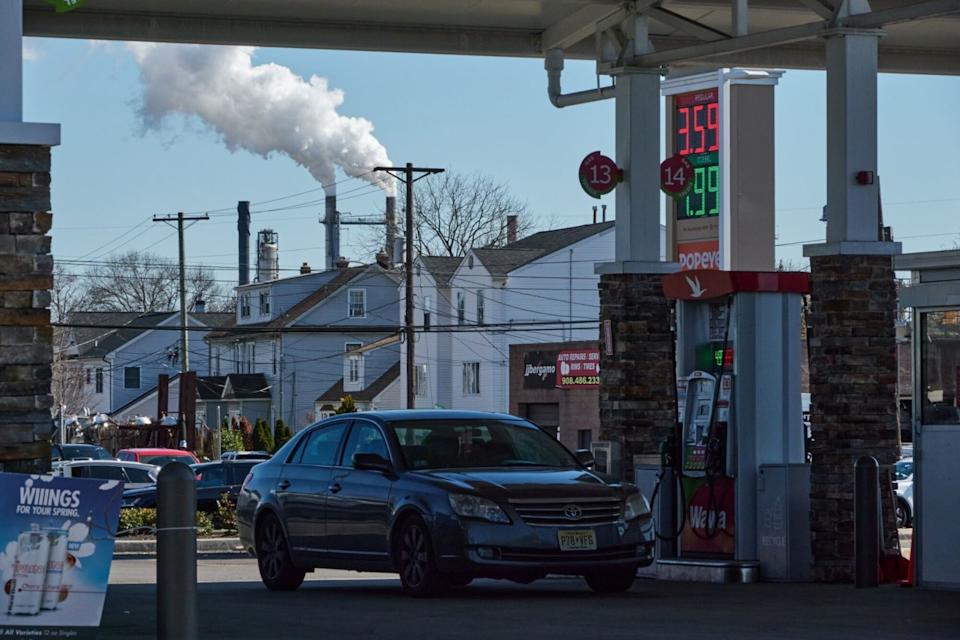
Oil prices have experienced significant fluctuations lately, reflecting ongoing market uncertainty.
February Inflation Update
Inflation remained unchanged in February, leaving many wondering about future trends. According to the Labor Department, consumer prices increased by 2.4% compared to the same month last year.
This figure matches both January’s rate and the predictions made by economists polled by The Wall Street Journal. Core inflation, which excludes food and energy, also rose 2.5% year-over-year, aligning with expectations.
Top Stories from The Wall Street Journal
Impact of Geopolitical Events on Inflation
Before the U.S. and Israel initiated military action against Iran on February 28, the inflation report was expected to influence Federal Reserve decisions. Now, it serves as a benchmark for evaluating how the conflict might affect prices in the coming months.
Joseph Brusuelas, RSM’s chief economist, remarked that February’s inflation data has already lost its relevance due to recent events.
Since the Iran conflict began, U.S. oil futures have been highly volatile, averaging around $82 per barrel this month, up from $65 in February. This suggests that March inflation could be higher.
Brusuelas estimates that every $10 increase in oil prices adds roughly 0.2 percentage points to inflation. While calculations vary among economists, most anticipate that rising oil prices will drive inflation higher in March.
Economists also point out that missing data on housing costs from October—caused by last year’s government shutdown—has kept inflation readings artificially low. This downward bias is expected to disappear in April, leading to higher measured inflation.
The ultimate effect of the war on inflation is still unclear. Besides oil, experts are monitoring whether disruptions in shipping will raise costs for other goods, including fertilizers, chemicals, and industrial materials that rely on stable transportation. There’s concern that secondary price increases could persist even after oil prices stabilize.
Energy Prices and Consumer Expectations
Another consideration is how rising energy costs influence what consumers and businesses expect regarding inflation. When people anticipate higher prices, those expectations can drive actual inflation.
Although gasoline and other energy products make up only about 6% of consumer spending, their prices are highly visible and frequently updated. As of Monday, the average price for a gallon of regular gasoline was $3.50, compared to $2.91 in February, according to the Energy Information Administration.
Energy’s share of consumer spending is smaller than it was in August 1990, when Iraq’s invasion of Kuwait led to soaring oil prices and a recession. Memories of the 1979 Iranian Revolution’s gas shortages have faded for most Americans.
Long-Term Effects of Oil Price Changes
The duration of elevated oil prices is crucial. While markets focus on how high prices rise, the broader economic impact depends on where prices settle over time. A brief spike that quickly reverses may have minimal lasting effects, allowing the Federal Reserve to refocus on labor market health.
However, sustained high oil prices could embed higher costs into supply chains, squeezing company profits and prompting businesses to consider raising prices. This scenario could force the Fed to balance controlling inflation with supporting economic growth.
Federal Reserve officials primarily track a separate inflation measure from the Commerce Department, which has recently shown higher readings. January’s delayed report is expected Friday, with economists predicting overall prices up 2.9% and core prices up 3.1% year-over-year. The Fed’s target is 2% inflation.
More Popular Articles from The Wall Street Journal
Disclaimer: The content of this article solely reflects the author's opinion and does not represent the platform in any capacity. This article is not intended to serve as a reference for making investment decisions.
You may also like
Higher CPI print for March already 'baked in' to BTC price — Analysts

Institutional Influx and ETFs Drive Bitcoin Toward Financial Maturity
XRP Jumps 253 Spots on the Chart That Smart Money Watches

Trending news
MoreCrypto prices
More





