
February CPI analysis: Inflation levels off, yet consumers prepare for impact from energy sector

Inflation Continues to Impact American Households
Rising prices remain a concern for many Americans, although there are signs that inflation is gradually easing.
According to the Consumer Price Index (CPI) report released by the Bureau of Labor Statistics on Wednesday, prices increased by 0.3% in February after seasonal adjustments, matching economists’ forecasts. This follows a 0.2% rise in January.
Looking at the past year, consumer prices climbed 2.4% before seasonal adjustments, which is consistent with January’s rate and aligns with expectations.
It’s important to note that this data was collected prior to the escalation of conflict between the U.S., Israel, and Iran, so the recent surge in oil prices is not reflected in these numbers. The Federal Reserve will likely consider this new development when reviewing interest rates next week, with most analysts predicting that rate cuts will remain on pause.
Discover how the latest inflation figures could affect your purchasing power.
Inflation Trends Align with Projections
Core inflation, which excludes the more volatile food and energy categories, rose by 2.5% over the 12 months ending in February, mirroring January’s figure.
Gargi Chaudhuri, BlackRock’s chief investment strategist, noted that “with overall price increases slowing, there are positive indications that core inflation is moving in a favorable direction.” However, she cautioned that the recent uptick in gasoline prices highlights the unpredictable nature of energy costs, which could add volatility to future inflation reports.
After two months of declines, gas prices edged up by 0.8% in February, though they remain 5.6% lower than a year ago. In contrast, fuel oil prices jumped by 11.1%.
Again, these statistics precede the recent Middle East conflict and the resulting spike in oil prices at the start of March.
Airfare and Other Costs on the Rise
Housing remains the largest expense for most consumers, but its growth has moderated, increasing by 0.2% in February and 3% over the past year—matching January’s pace.
Other notable increases include airfares, which rose 1.4% following a substantial 6.5% jump in January, as well as higher costs for clothing (up 1.3%), education, home furnishings, and healthcare.
Used car and truck prices fell by 0.4%, while prices for new vehicles stayed the same.
Grocery Prices Edge Up, but Some Foods Get Cheaper
Food costs went up by 0.4% in February, slightly above the 0.2% increase seen in January. Over the past year, grocery prices have risen by 3.1%, though many shoppers may feel the impact is greater.
- Biggest increases in February: Fresh vegetables (4.1%), candy and gum (3.7%), coffee (1.8%), peanut butter (1.8%), fruits and vegetables (1.4%), and frozen foods (1.4%).
- Largest decreases: Lunchmeats (-4.9%), pork roasts, steaks, and ribs (-4.5%), eggs (-3.8%), and butter (-2.65%).
Looking Ahead: New Pressures on Prices
While February’s inflation report appears relatively mild, the recent outbreak of conflict in the Middle East is expected to influence the March data.
Scott Anderson, chief U.S. economist at BMO, commented, “This may be the most favorable inflation report we’ll see for some time, given the onset of war with Iran and the effective closure of the Strait of Hormuz, which has driven up energy prices. The February CPI results were in line with our expectations, but that doesn’t mean inflation is fully under control.”
Disclaimer: The content of this article solely reflects the author's opinion and does not represent the platform in any capacity. This article is not intended to serve as a reference for making investment decisions.
You may also like
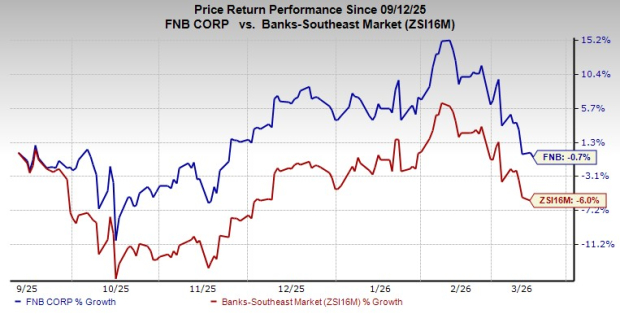
FNB Broadens eStore: Can This Digital Shift Drive Expansion?
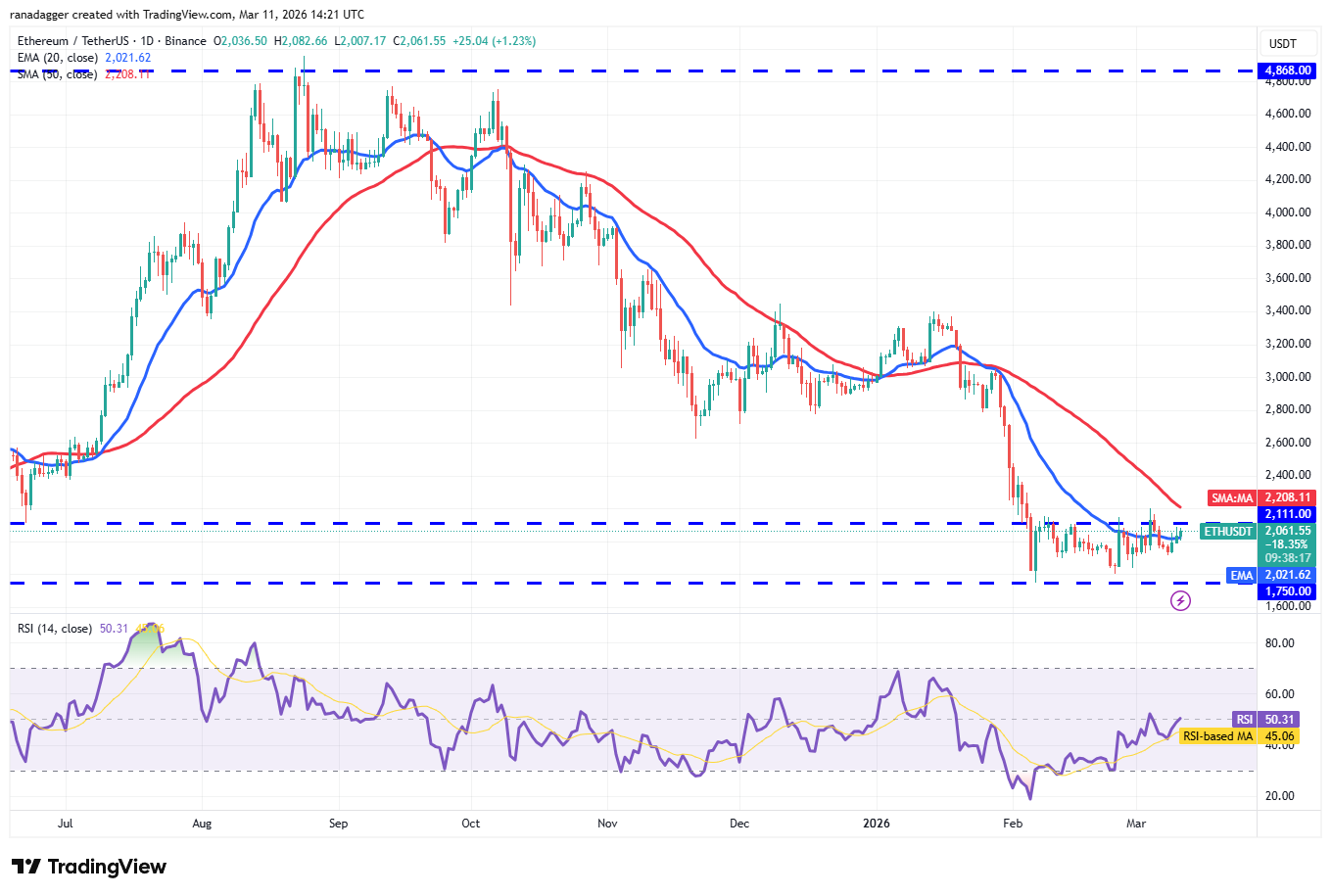
Price predictions 3/11: BTC, ETH, BNB, XRP, SOL, DOGE, ADA, BCH, HYPE, XMR
Solmate’s $60M Valuation Trap: Market Votes No on Dual-Purpose Crypto Rebrand
Trending news
MoreCrypto prices
More





