
Canada: RBC Economics analyzes inflation risks from oil and the implications for growth

The Evolving Role of Oil and Gas in Canada's Economy
According to RBC Economics, while Canada's oil and gas industry has diminished in size compared to ten years ago, it continues to play a significant role in the nation's GDP and export figures. Elevated oil prices tend to boost profits for companies and increase government royalties, yet they also put pressure on consumers by reducing their purchasing power. RBC anticipates minimal new investment in the sector, a largely neutral effect on GDP, and a slow, conditional transmission of higher energy costs to overall Canadian inflation.
Impact of Rising Oil Prices: Producers Benefit, Consumers Feel the Pinch
When energy prices climb, households often cut back on spending, but industries connected to energy production see gains. Both corporate earnings and government revenues from natural resources rise in tandem with oil prices, a trend observed in Canada and the United States, both major oil exporters.
Although the oil and gas sector has contracted over the past decade, it is projected to contribute 6.6% to Canada’s GDP and make up 15% of total goods exports in 2025.
Beyond the immediate increase in fuel costs, higher energy prices also drive up expenses for packaging, fertilizers, and other essential inputs across various industries. However, these cost pressures tend to emerge gradually. Oil prices need to remain high for an extended period—months rather than weeks—for these effects to ripple through supply chains and influence broader business pricing strategies.
It’s important to note that these projections do not factor in the downward pressure on inflation that could result from households spending less on non-energy goods and services, which may help temper overall inflation.
By 2025, investment in Canada’s oil and gas sector is expected to be less than half of what it was in 2014 as a share of GDP. Most current investment is focused on sustaining existing production rather than expanding capacity, making the sector less responsive to changes in oil prices.
(This content was developed with assistance from an AI tool and subsequently reviewed by an editor.)
Disclaimer: The content of this article solely reflects the author's opinion and does not represent the platform in any capacity. This article is not intended to serve as a reference for making investment decisions.
You may also like
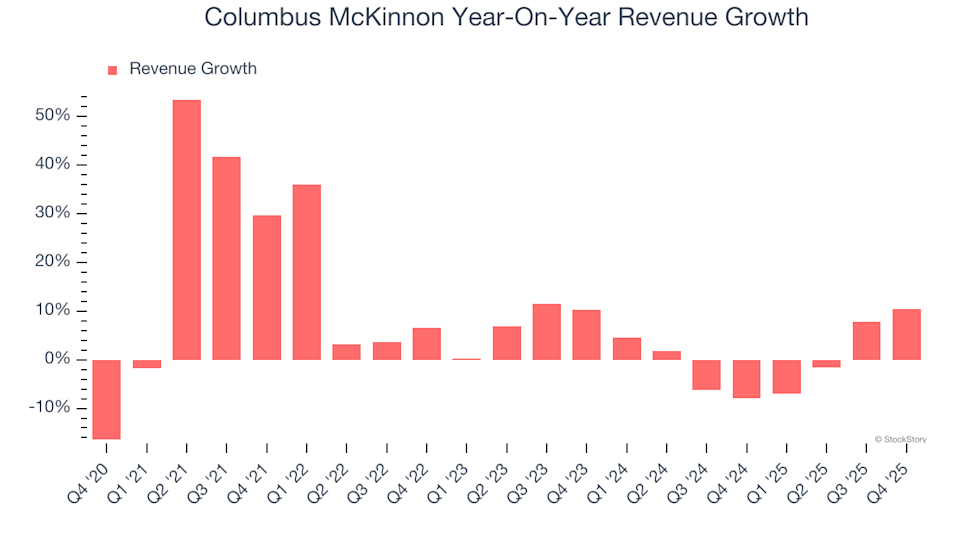
3 Reasons Why CMCO is a Risky Choice and One Alternative Stock Worth Buying
3 Software Stocks Showing Red Flags
ECB’s Schnabel: Must be vigilant to upside inflation risks
Arch Capital (ACGL) Drops 1.7% Following Recent Earnings Release: Is a Recovery Possible?
Trending news
MoreCrypto prices
More





