
The S&P 500 is trading lower today after the CPI and the war put pressure on oil prices.

- SP500 falls today amid CPI and oil market tension.
- Dow and Nasdaq are mirroring the cautious sentiment on Wall Street.
- US inflation and oil prices are putting pressure on stocks.
US stocks fell on Wednesday, with investors divided between the latest reading of the consumer price index (CPI) and escalating tensions in the Middle East, which again affected oil prices and Wall Street sentiment.
The movement was heaviest on the Dow Jones Industrial Average, which fell 0,8%, equivalent to more than 400 points. The S&P 500 retreated 0,2%, while the Nasdaq Composite, with its greater weighting of tech giants, also ended in the red, albeit with more moderate losses.
Pressure on the indices intensified as the market reacted to new incidents involving ships hit in the Strait of Hormuz. Fears of disruptions to maritime transport and global energy supply increased risk aversion and brought more volatility to assets.
This environment helped push oil prices higher. The West Texas Intermediate contract was once again trading above $85 per barrel, while Brent surpassed $90. The surge reinforced concerns that energy prices will once again put pressure on inflation in the coming readings.
At the same time, the International Energy Agency announced the release of 400 million barrels of oil from its reserves. The measure seeks to reduce the impact of the supply crisis and contain the recent surge in prices, after the price of a barrel approached US$120 earlier in the week.
In the macroeconomic field, the market received the February CPI as expected. The index showed a 0,3% increase compared to the previous month and a 2,4% increase compared to the same period of the previous year. The result was seen as a sign of stability, but without enough strength to alleviate investor caution.
The CPI reading now paves the way for the next important data point on the American agenda, the Personal Consumption Expenditures index, which will be released on Friday. This indicator is closely watched because it helps measure the trajectory of inflation and its potential effects on the Federal Reserve's next steps.
Even with the temporary relief provided by the inflation data, the market remained attentive to the impact of rising oil prices on the economy. For traders, the focus remained on the combination of energy pressure, a slowdown in some indicators, and the increased sensitivity of the indices to any new geopolitical developments.
In the cryptocurrency market, Bitcoin was trading at US$70.582,21, down almost 1% in the last few hours, reflecting increased global caution among investors.
Disclaimer: The content of this article solely reflects the author's opinion and does not represent the platform in any capacity. This article is not intended to serve as a reference for making investment decisions.
You may also like
BUY CRMT
ECB: Hawkish comments drive rate expectations – Commerzbank
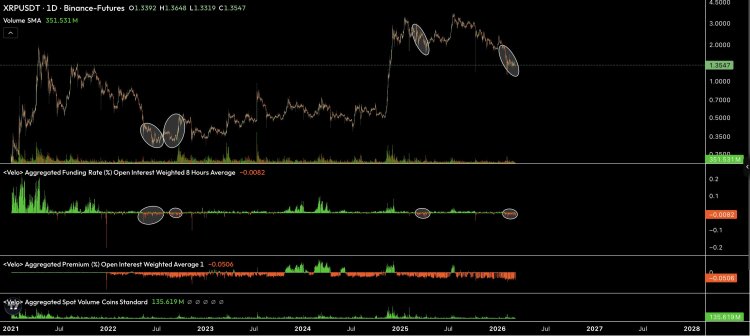
XRP Negative Funding Continues, Crashes To Levels Not Seen Since 2022

Crypto prices
More





